
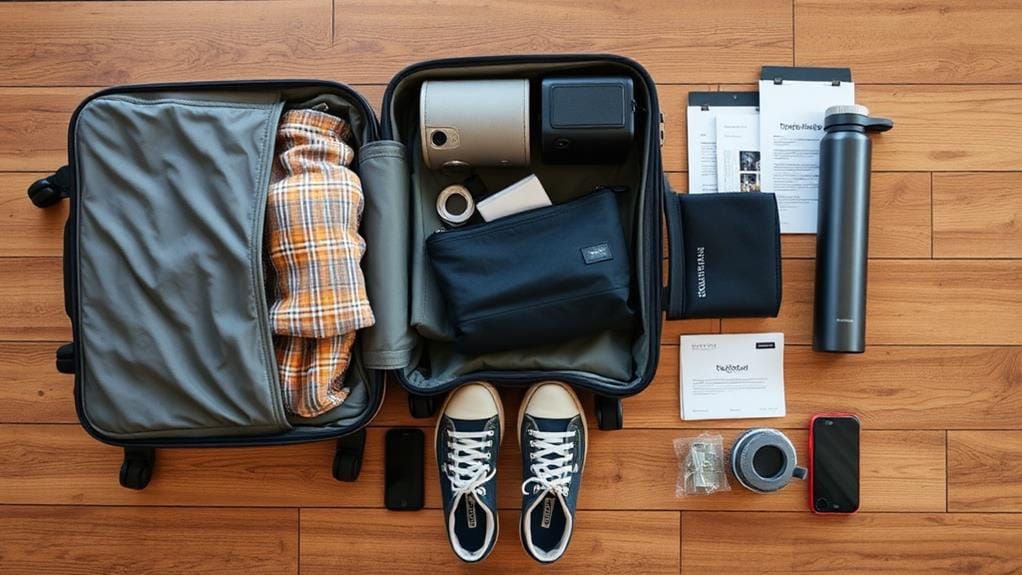

Packing for solo travel comes with its own logic: you’re the only one carrying the bag, the only one responsible for remembering everything, and the only one who has to deal with it if something’s missing. That makes a few things matter more — versatile luggage that’s easy to move on your own, a color palette that mixes and matches, and a bit of extra thought toward safety and security. Here’s what tends to help most when packing for solo travel, based on more solo trips than I can easily count at this point.
Choosing the Right Luggage for Solo Travel
A carry-on sized bag is worth prioritizing if your trip allows it — skipping checked luggage means skipping baggage fees, lost-luggage risk, and the wait at the carousel, all of which matter more when you’re traveling alone and don’t have someone to watch your stuff while you sort it out.
Look for something lightweight but sturdy, since it’s protecting everything you have with you. Multiple compartments help keep a passport, electronics, and dirty laundry separate without extra pouches. Good wheels and a solid handle matter more than they sound like they would, especially if you’re moving through crowded stations or uneven sidewalks on your own with nobody to help wrangle a stuck wheel. And a bag with some flexibility — convertible between a backpack and rolling case — is genuinely useful if your trip mixes cities and rougher terrain.
Essential Clothing Strategy
Versatile Outfit Planning
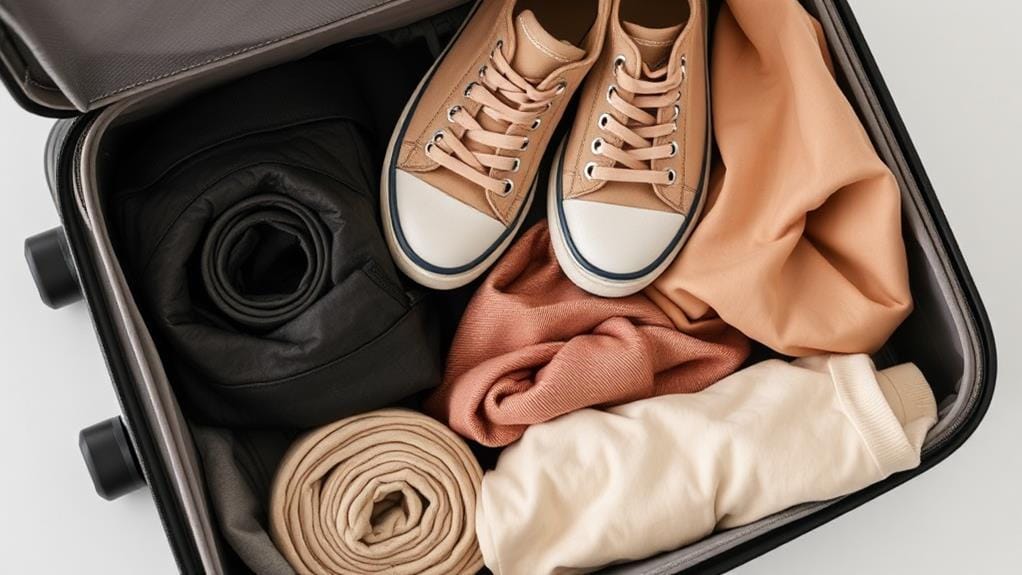
Packing light without looking like it comes down to picking pieces that combine well. A cohesive color palette — two or three colors that all work together — lets a handful of items create many different outfits, a trick I picked up after one too many overstuffed bags.
Clothes that pull double duty help too: a dress that works for dinner also works for sightseeing with a jacket over it. Layering matters as much for versatility as for warmth — a lightweight cardigan or sweater you can add or remove as the day’s weather shifts saves you from packing separate warm-weather and cool-weather outfits.
Shoes deserve some thought too, since comfortable footwear that works from day to night saves both space and foot pain.
Minimalist Shoe Selection
Shoes take up disproportionate space and weight, so it’s worth being deliberate. A reasonable approach:
- Cap it at a small number of pairs: a comfortable walking shoe, a versatile option for most other occasions, and something slightly dressier for the unexpected nice dinner.
- Look for shoes that cross over between settings — sandals that work at the beach and for a casual dinner, for instance.
- Favor lighter materials so your bag isn’t weighed down by footwear alone.
Tech and Gadgets for Traveling Alone
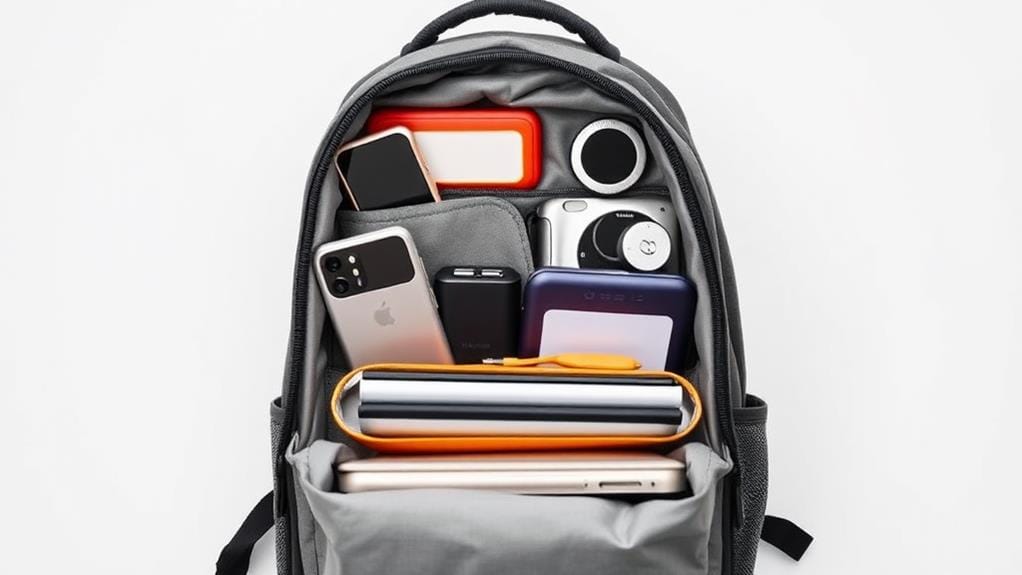
A universal travel adapter with a couple of USB ports covers most countries and multiple devices at once, which matters if you’re moving between countries with different outlet types.
A portable charger is worth carrying for long days out with no easy access to an outlet. An e-reader is a good space-saver if you like to read, cutting out the weight of paper books entirely. And noise-cancelling headphones or earbuds help with everything from crowded flights to noisy hostel dorms.
Whatever gadgets you bring, pack a spare charging cable or two — cords are one of the easiest things to lose or damage on the road, and finding a replacement in an unfamiliar city isn’t always simple, especially outside the usual tourist strip.
Toiletries and Medications
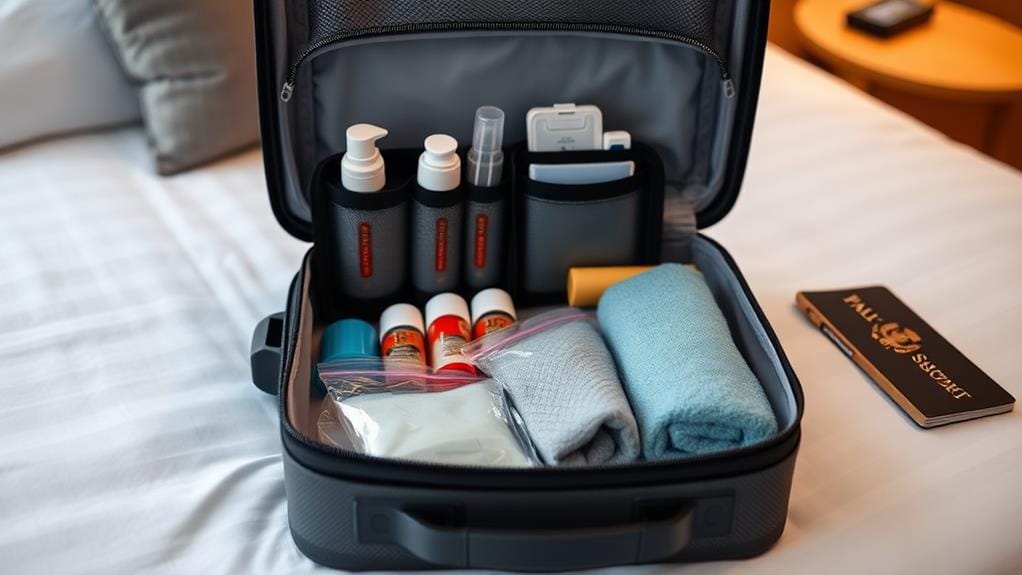
Toiletries add up fast in both weight and space, so a few habits help:
- Solid shampoo and conditioner bars skip the leak risk of liquids entirely and take up less room.
- A menstrual cup, if that works for you, cuts down on what you need to carry and restock.
- A zippered pouch keeps toiletries and any medication contained if something does leak.
Put together a small first aid kit too — bandages, antiseptic wipes, and any prescription medication you rely on, kept in its original packaging for ease at customs. Keep liquids within the carry-on limits set by your airline and destination, and check current rules before you fly since they can vary and change.
Safety and Security Items for Solo Travelers
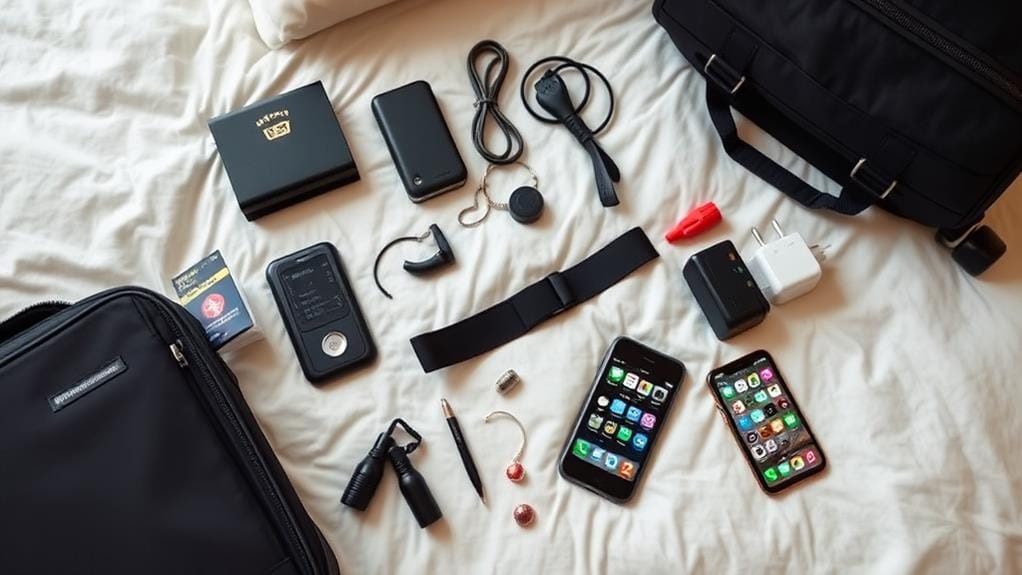
Traveling alone means it’s worth putting a little extra thought into safety basics — not out of anxiety, just habit built over enough trips. A personal safety alarm is a small, inexpensive item that can draw attention quickly if you ever need it.
An RFID-blocking wallet helps guard against electronic pickpocketing of cards and passports, and a secure passport holder keeps your most important document organized and harder to lose track of.
| Item | Purpose |
|---|---|
| Personal Safety Alarm | Emergency alert |
| RFID-blocking Wallet | Financial security |
| Secure Passport Wallet | Document organization |
| Travel Safety App | Real-time alerts |
| Local Currency | Emergency cash |
It’s also worth having a reliable safety or check-in app set up before you go, and keeping a small amount of local currency on hand for situations where cards won’t work — I’ve been caught out by a card reader down in a small town more than once.
Versatile Accessories for Travel
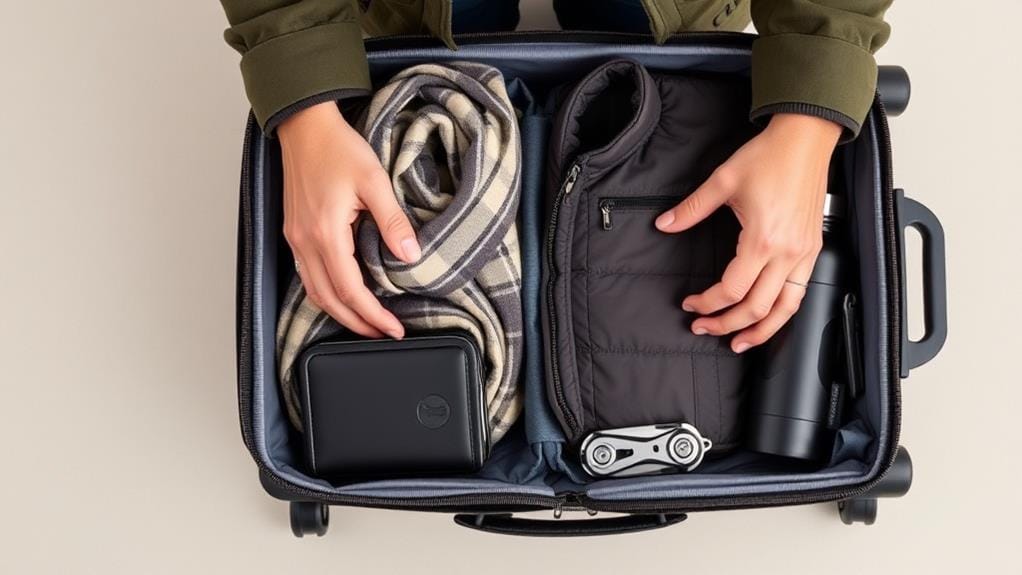
A set of packing cubes keeps a bag organized and makes finding things far easier when you’re the only one managing your luggage. A foldable tote is handy for grocery runs, markets, or an extra souvenir or two that didn’t fit the plan.
A multi-functional scarf covers a surprising number of situations — warmth on a cold flight, a makeshift pillow, even a light cover-up in a pinch. A compact umbrella is worth the small space it takes up, since unexpected rain rarely waits for a convenient moment.
A universal adapter is worth repeating here too: keeping devices charged with multiple USB ports means you’re not negotiating for outlets with strangers.
Document Organization Tips
Digital Document Storage
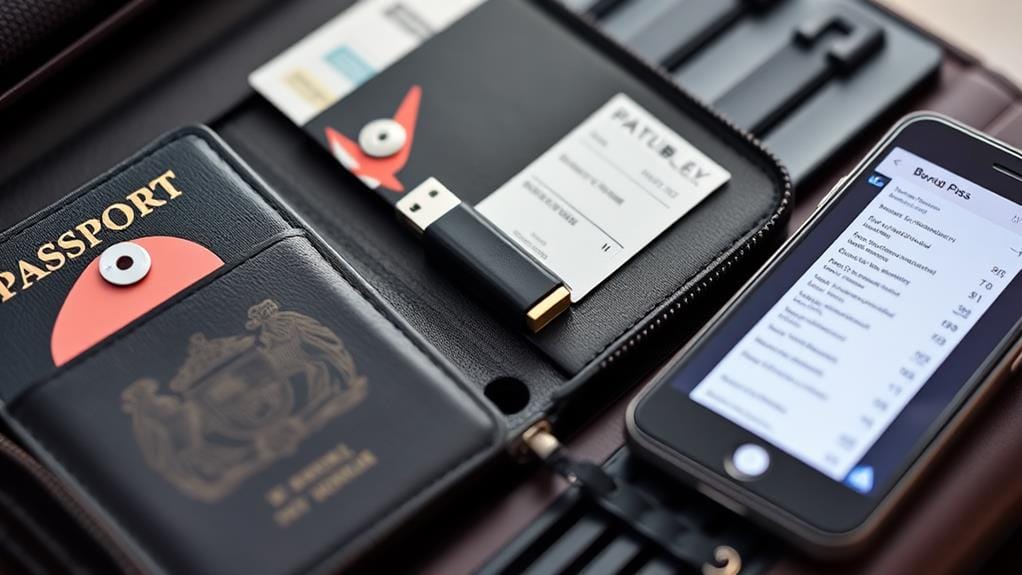
Keeping scanned copies of your passport, visas, and bookings in a secure cloud storage account means you can access them from any device if the originals go missing. Organizing them into clearly labeled folders makes it much faster to find what you need under pressure.
A few habits worth building in:
- Use a password manager for travel-related logins and accounts.
- Keep a simple digital list of emergency contacts.
- Consider a dedicated app for organizing travel documents if you travel often.
Prioritize Essential Papers
Physical documents still matter alongside digital backups. A dedicated pouch for your passport, ID, and other essentials means you’re not digging through a bag at a security checkpoint.
Organizing by category — travel, accommodation, health — makes things easier to find under time pressure. A travel wallet with RFID blocking adds a layer of protection for the documents you’re carrying day to day. And always check current visa and entry requirements for your specific destination through official government sources before you travel, since rules vary and change.
Organized Travel Folder
A simple, consistent system for your travel folder saves real stress. A workable approach:
- Use clear plastic sleeves to separate categories — passport and ID, flight confirmations, accommodation details.
- Keep a photocopy of key documents separate from the originals, in case something goes missing.
- Use an RFID-blocking travel wallet for extra protection.
Space-Saving Packing Techniques
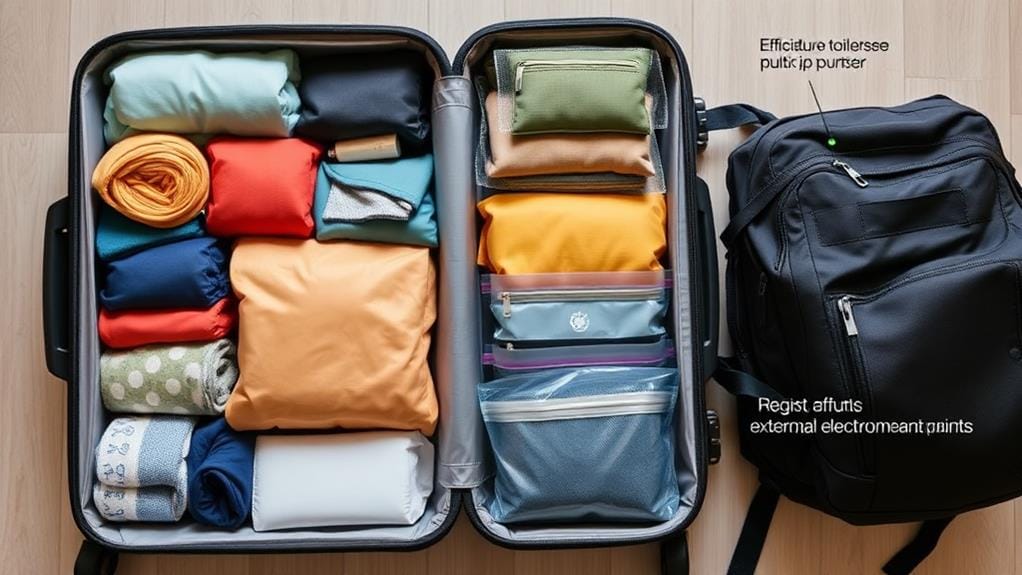
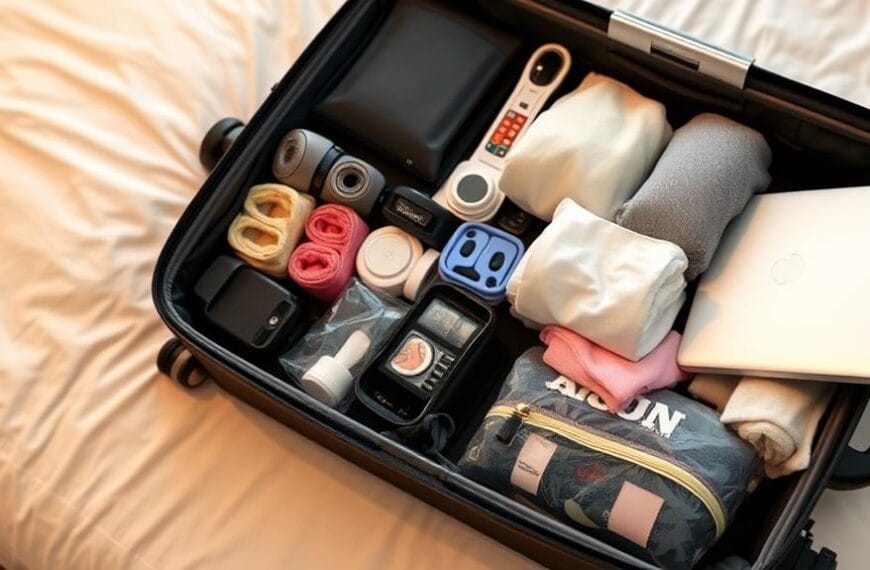
Rolling clothes instead of folding tends to save space and keeps wrinkles down. Packing cubes build on that by keeping everything sorted and easy to find without unpacking the whole bag.
Sticking to versatile, mix-and-match pieces in a shared color palette stretches a small wardrobe further. Travel-sized toiletries save more space than you’d think, and powdered or solid versions of some products cut it down even more. And wearing your bulkiest item — a jacket or heavier shoes — while traveling rather than packing it is one of the simplest space savers there is, and one I still forget half the time myself.
Frequently Asked Questions
What to Pack When Travelling Alone?
Pack for safety and self-reliance: essentials for your planned activities, a reasonable budget buffer, some means to try local food comfortably, useful travel tech, and basic personal care items.
How to Pack Light for a Solo Trip?
Stick to versatile clothing, travel-sized toiletries, and compact accessories. Roll clothes to save space, plan for laundry along the way rather than packing for the whole trip, and keep documents organized digitally as a backup.
What to Wear When Travelling Alone?
Prioritize comfort and versatility, factoring in weather and local cultural norms. Layerable, breathable fabrics that mix into several outfits work well, and it’s worth dressing in a way that helps you blend in rather than stand out.
How Do You Pack Smart for Travel?
Use packing cubes for organization, choose versatile clothing that mixes and matches, and bring only the tech you’ll actually use. Space-saving techniques like rolling clothes add up to real extra room.

 By
By

 By
By