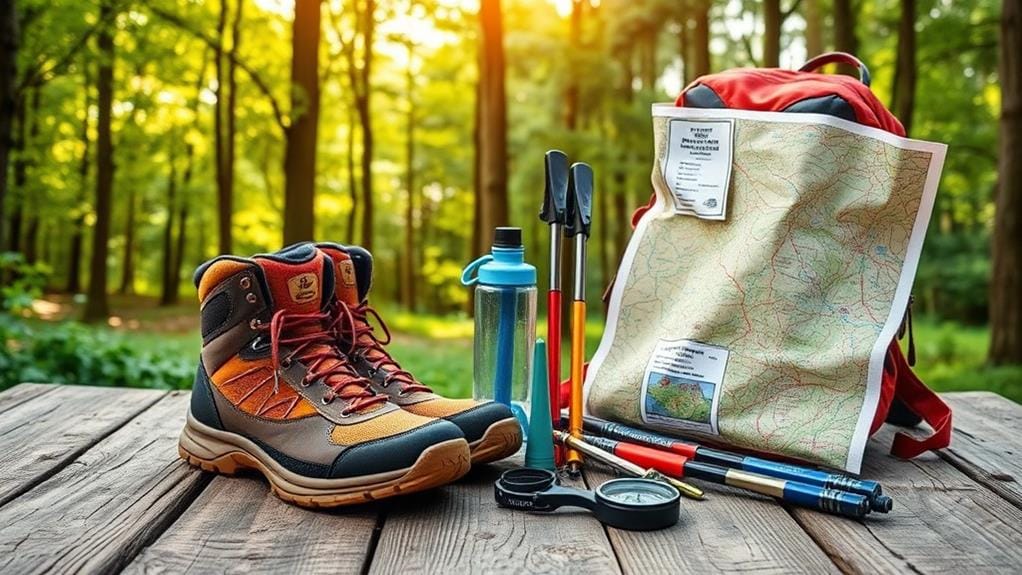

Good gear doesn’t guarantee a good hike, but bad gear can definitely ruin one — I’ve watched it happen to people on trails I’ve guided for years. After plenty of trial and error — blisters, wrong turns, and a fair number of “forgot that again” moments that were entirely my own fault — here’s what actually earns its place in a pack: solid trail footwear, moisture-wicking layers, a properly fitted backpack, a water filter, a first aid kit, sun protection, a headlamp, and some way to navigate that doesn’t depend on a single phone battery.
Hiking Footwear and Trekking Poles
Footwear matters more than almost anything else you’ll pack for a hike. A well-fitted trail shoe works for most day hikes and offers a good balance of comfort and support without the break-in time that stiffer boots need. For snowy terrain, rougher trails, or trips where ankle support matters, a waterproof mid-height boot is worth the extra weight.
Good wool hiking socks are worth the investment too — they help prevent blisters far better than cotton, which holds moisture and causes friction. I’ve retired more cotton-sock hikers to the trailside bench than I can count.
Trekking poles are one of those things that feel unnecessary until you use them on a steep descent. They take pressure off your knees, add stability on uneven terrain, and make a noticeable difference on longer or more technical hikes — by my third or fourth season guiding, I stopped leaving mine behind even on routes I thought I knew well.
Backpacks and Storage Solutions
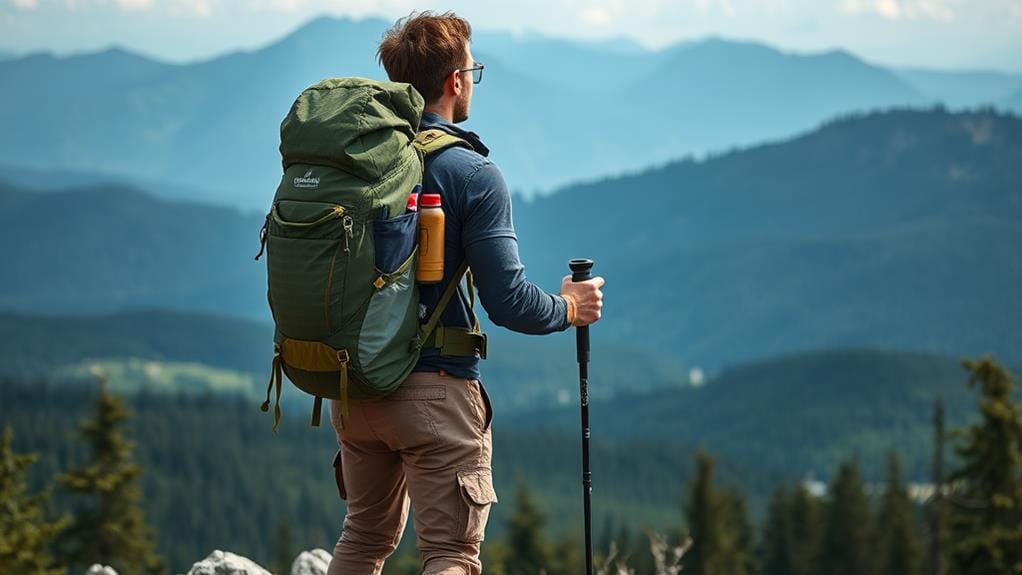
A well-fitted backpack makes a bigger difference than most people expect — too small and you’re strapping things to the outside, too big and you’re carrying dead weight. For day hikes, a light pack in the 20-25 liter range usually covers water, snacks, layers, and a first aid kit comfortably.
Hydration reservoir compatibility is worth having, since sipping through a tube beats stopping to dig out a water bottle. A rain cover for your pack is a small, cheap addition that saves your gear if weather turns unexpectedly, which it does more often at elevation than people plan for.
For overnight or multi-day trips, look at larger packs with some kind of moisture protection for a sleeping bag. Whatever size you choose, get properly fitted at a gear shop if you can — an ill-fitting pack will make itself known by the third hour, and not gently.
Weather-Appropriate Clothing Layers
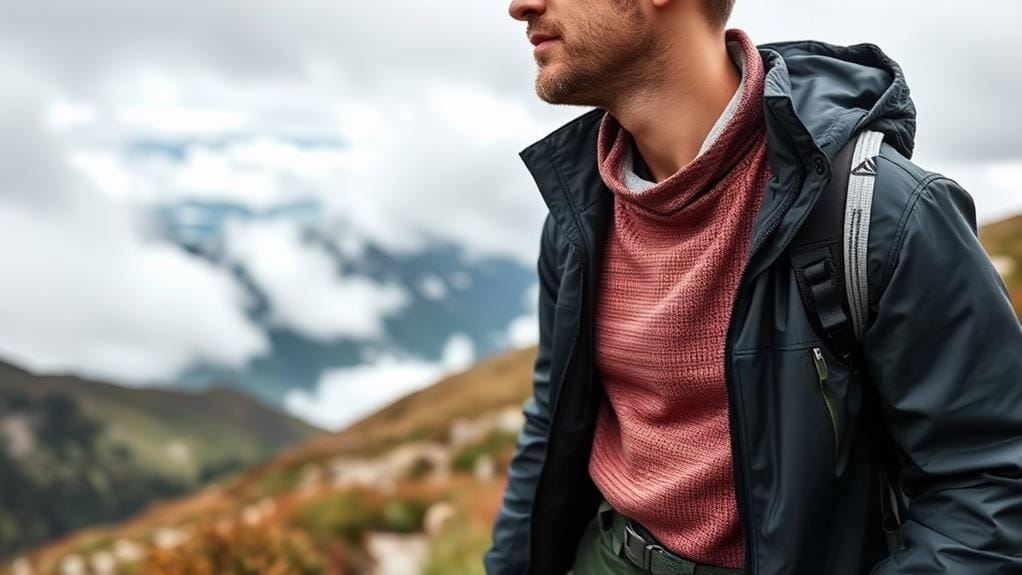
Layering is the standard answer to unpredictable trail weather, and for good reason. A moisture-wicking base layer keeps sweat off your skin on the climbs, which matters more for comfort than people expect until they’ve hiked in a soaked cotton shirt and started shivering at the first rest stop.
A mid-layer — a fleece or a light insulated jacket — covers you when you stop moving and the temperature drops, like at a summit or during a break. Depending on conditions, a shell layer for wind or rain rounds things out. The system works because you can add or remove pieces as your body temperature and the weather change through the day, and mountain weather changes faster than most people believe until they’ve been caught in it.
Hydration and Nutrition Essentials
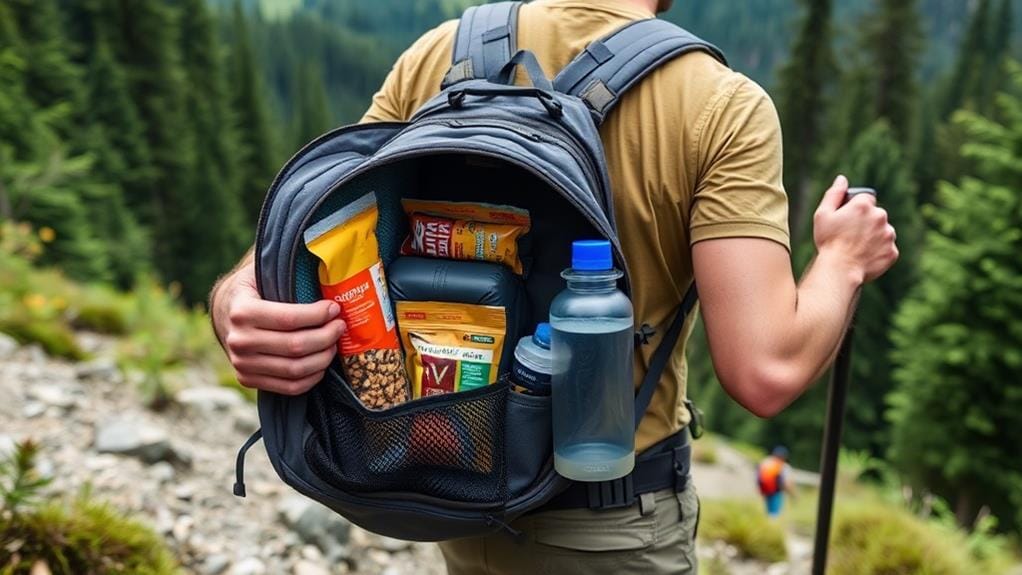
Running low on water or food is one of the more common ways a good hike turns into a miserable one. A hydration bladder makes sipping easy without stopping, and it’s worth getting one that’s simple to clean, since bladders can get funky if neglected. A solid insulated bottle is a fine alternative if you prefer not to deal with a bladder.
Pack more food than you think you’ll need — energy bars, nuts, dried fruit — since unexpected delays happen more often than a trip plan accounts for. And if you’re hiking somewhere with reliable water sources, a lightweight water filter turns streams into safe drinking water and cuts down significantly on how much you need to carry.
Navigation Tools and Safety Equipment
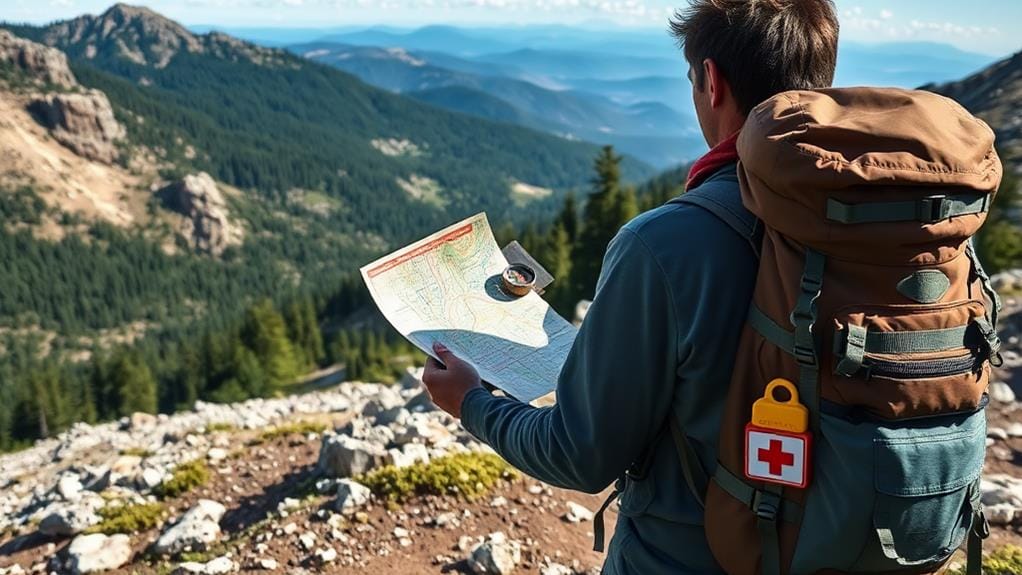
A GPS device or an offline map app on your phone is useful, but it’s worth carrying a paper map and compass as a backup for when batteries die or signal disappears, which it reliably does in exactly the places you’d need it most. Knowing how to use them matters as much as carrying them.
| Item | Purpose |
|---|---|
| First Aid Kit | Treat cuts, blisters, sprains |
| Multi-tool | Gear repairs and general use |
| Whistle | Signal for help if needed |
| Emergency Blanket | Retain body heat in a pinch |
A basic first aid kit covers blisters and minor injuries, a multi-tool handles small gear repairs, and a whistle carries much farther than your voice if you ever need to signal for help. None of these take up much space, and all of them matter more the farther you get from the trailhead.
Sun Protection and Insect Defense on the Trail
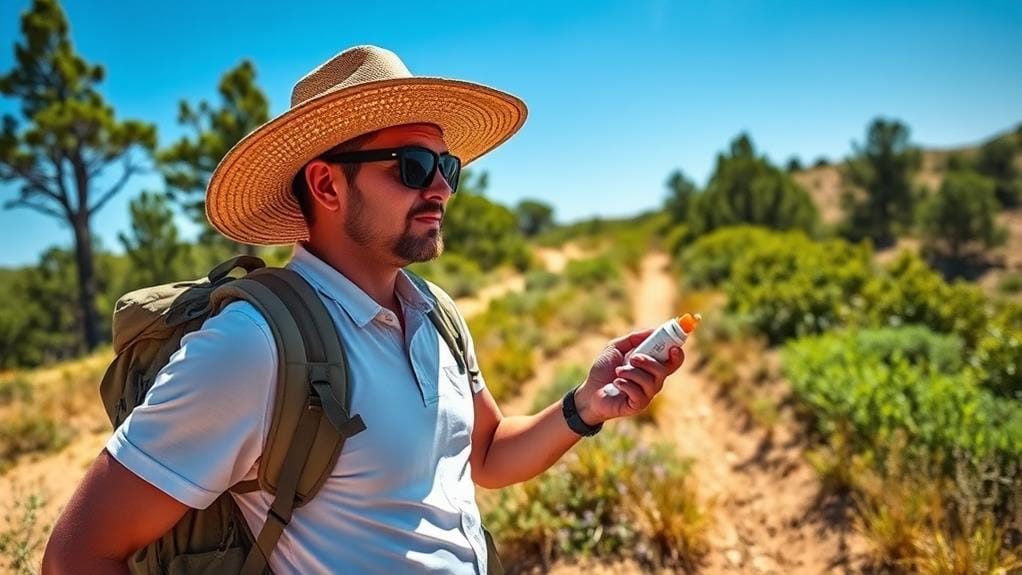
Sun exposure adds up fast at elevation, where UV exposure is generally stronger than at sea level. UPF-rated clothing helps block a good portion of it without needing constant sunscreen reapplication, though broad-spectrum, high-SPF sunscreen is still worth applying and reapplying every couple of hours. A wide-brimmed hat covers the areas sunscreen often misses.
For insects, a DEET or picaridin-based repellent is generally the most reliable option against mosquitoes and ticks. If you prefer to avoid those, some essential-oil-based alternatives offer milder protection, though they typically need more frequent reapplication.
Emergency Shelter and First Aid
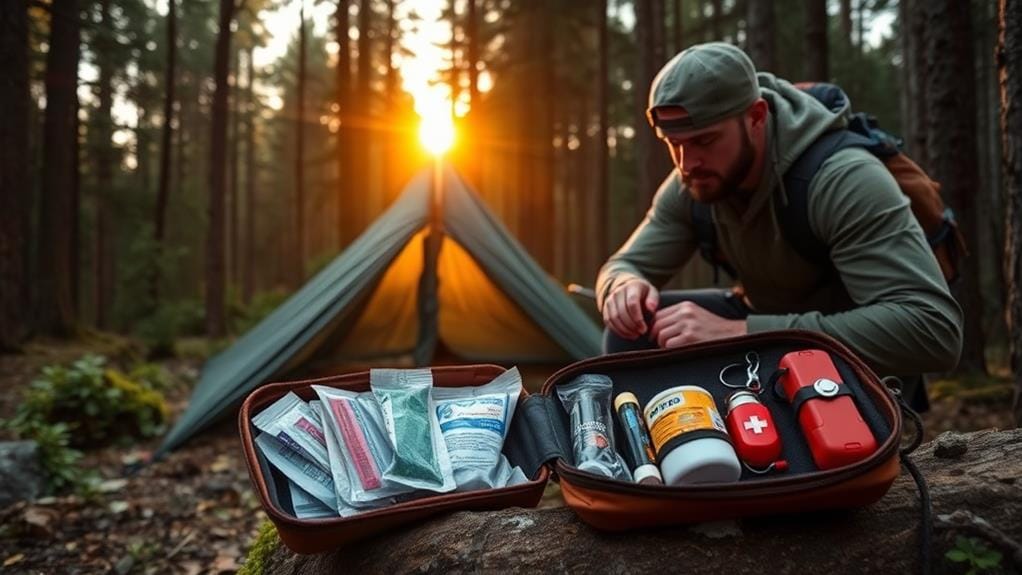
An emergency bivvy is light, cheap, and could genuinely matter if you’re caught out overnight unexpectedly. It’s worth carrying even on day hikes where you don’t expect to need it — the hikes where you don’t expect to need it are exactly the ones where, eventually, someone in your group does. Pair it with a first aid kit stocked with bandages, antiseptic, and a foil emergency blanket.
A multi-tool covers small repairs and unexpected situations gear alone can’t solve, and a whistle is worth carrying for the same reason — it travels much farther than shouting. Beyond gear, it’s worth knowing some basic first aid before you head out; a small amount of practical knowledge makes a real difference if something does go wrong far from help.
Lightweight Accessories and Gadgets
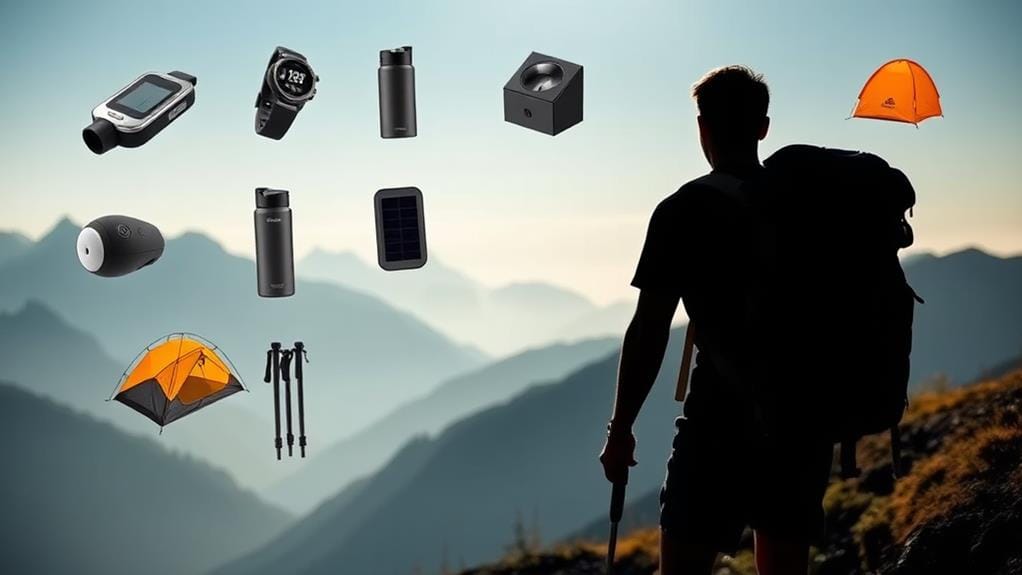
Essential Compact Tools
A compact multi-tool with pliers, a knife, and a small screwdriver handles most on-trail repairs without adding real weight. A lightweight headlamp is worth having even on day hikes, in case you’re out later than planned — plans slip more often on trail than off it.
A portable water filter lets you refill from streams or lakes instead of carrying everything you’ll need, which cuts pack weight significantly on longer trips. Trekking poles that fold down small are convenient when you don’t need them but want them on hand. And a compact emergency bivvy is worth the small extra weight for the peace of mind alone.
High-Tech Navigation Devices
A dedicated handheld GPS device tends to have better battery life and screen visibility in direct sun than a phone, which matters on longer trips where charging isn’t an option. A GPS watch is a solid alternative if you’d rather not carry a separate device — most track distance, elevation, and location well enough for typical hiking needs.
Satellite messengers are worth considering for remote trips without cell coverage, since they let you send a message or check weather even with no signal. They’re an added expense, but for serious backcountry trips, that safety margin is usually worth it — it’s the kind of gear you hope you never need and are grateful for the one time you do.
Frequently Asked Questions
How Do I Break in New Hiking Boots Before a Long Trek?
Wear them around town for short periods before your trip, gradually increasing time and terrain. Address any hot spots early with moleskin or blister tape, and don’t save the first wear for trail day — I’ve seen that mistake end a trip by lunchtime.
What’s the Best Way to Clean and Maintain Hiking Gear?
Clean gear after each trip and let it dry fully before storing it. Use fabric-appropriate cleaners for technical gear, and reapply waterproofing treatments periodically to keep boots and jackets performing well.
How Can I Reduce Pack Weight Without Sacrificing Essential Items?
Look for lighter versions of gear you already use, pack versatile clothing that layers well, choose calorie-dense food, and think critically about what’s truly essential versus what’s just familiar.
Are Trekking Poles Necessary for All Types of Hikes?
Not always — it depends on terrain and personal preference. They help most on steep or uneven trails and can reduce knee strain on descents, but plenty of hikers do fine without them on easier routes.
How Do I Choose the Right Sleeping Bag for Different Hiking Conditions?
Match the temperature rating to the coldest conditions you expect, then weigh insulation type, shape, and weight against how much packability matters for your trip.

 By
By


 By
By