
Europe doesn’t have to be expensive if you’re willing to plan around a few things, and after years of leading and taking trips through the continent on tight budgets, I’ve settled on the habits that actually move the needle. Traveling off-season means fewer crowds and generally lower prices. Local transportation alternatives — bike-shares, regional carpool and rideshare services — beat pricier options for getting around. Free walking tours and museum discount days cut into sightseeing costs, and shopping at local markets instead of tourist restaurants saves on food. For longer stints, work exchanges can cover accommodation entirely, and a handful of lesser-known cities offer a lot for noticeably less than the usual capitals.
Off-Season Adventure Planning
Traveling during shoulder or off-season months is one of the simplest ways to save on a European trip. Fewer crowds at major sights, more availability (and often lower prices) on accommodation, and a generally calmer pace all come with visiting outside peak summer months. It won’t work for every itinerary, but if your dates are flexible, it’s worth checking how much a shift of a few weeks changes the price — I’ve seen it make a bigger difference than people expect.
Local Transportation Alternatives
Bike-Sharing Schemes
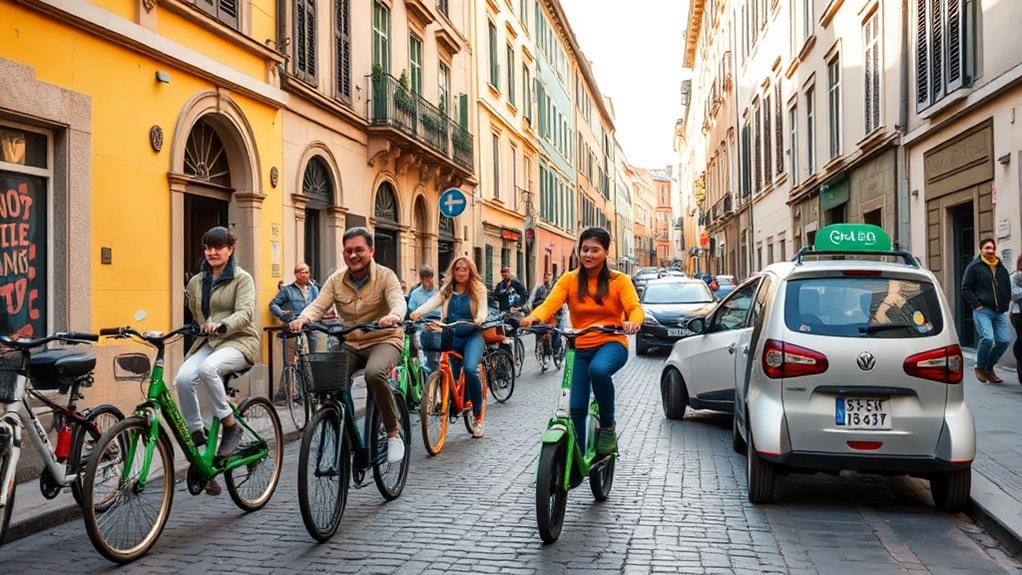
Most major European cities now run some form of bike-share program, and they’re often cheaper than public transit for short trips. A short-term pass usually beats paying for several individual transit fares over the same distance.
A city’s bike-share app makes it simple to find and unlock a bike nearby — availability and the specific service varies by city, so it’s worth checking what’s on the ground when you arrive rather than assuming one brand covers everywhere. Beyond the cost savings, cycling gets you through neighborhoods a metro line would skip entirely, and it’s a decent way to fit in some activity while sightseeing.
Local Ride-Sharing and Carpooling Apps
Long-distance carpooling services can be considerably cheaper than train tickets for intercity travel, especially if you book in advance and aren’t tied to a specific time. Local ride-hailing apps often run cheaper than traditional taxis within cities, though which app is dominant changes from country to country, so it’s worth checking what’s actually used on the ground rather than assuming.
These options also tend to run later than public transit, which helps if you’re out past when the metro stops. Carpooling in particular can turn into a nice way to meet people along the route, though as with any ride-share, use normal judgment about who you’re getting in a car with.
Free City Attractions
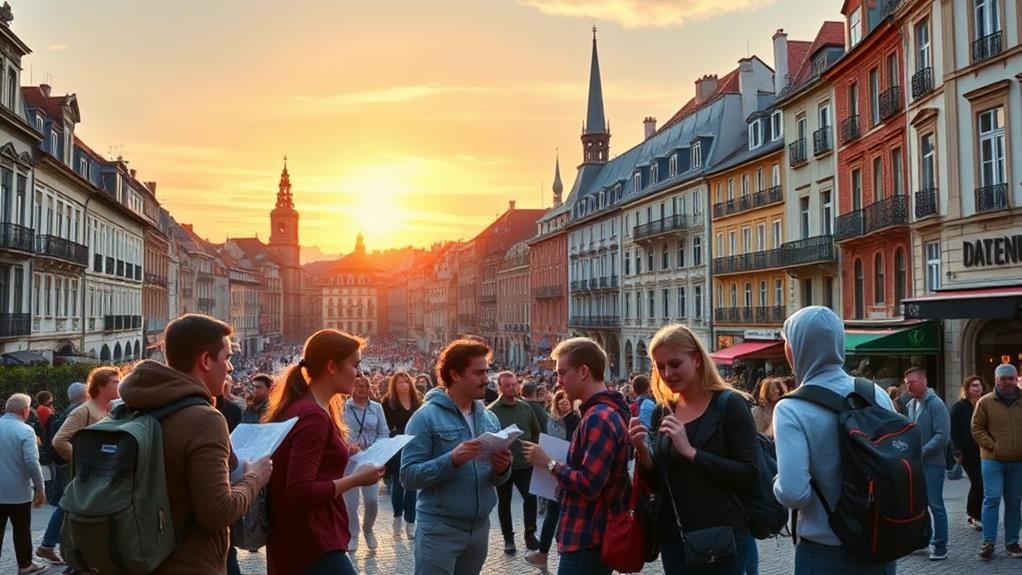
Free walking tours are one of the best low-cost ways to get oriented in a new city and pick up some history along the way — most operate on tips, so you pay what you think the tour was worth. Public art, street performances, and city parks round out a day without spending anything.
Many museums offer a free entry day or discounted evening hours on a regular basis — it’s worth checking a museum’s own website before you go, since the schedule varies a lot by city and institution and changes over time. And if your visit happens to line up with a local festival, that’s often the most authentic, and free, experience you’ll find.
Grocery Shopping for Travelers
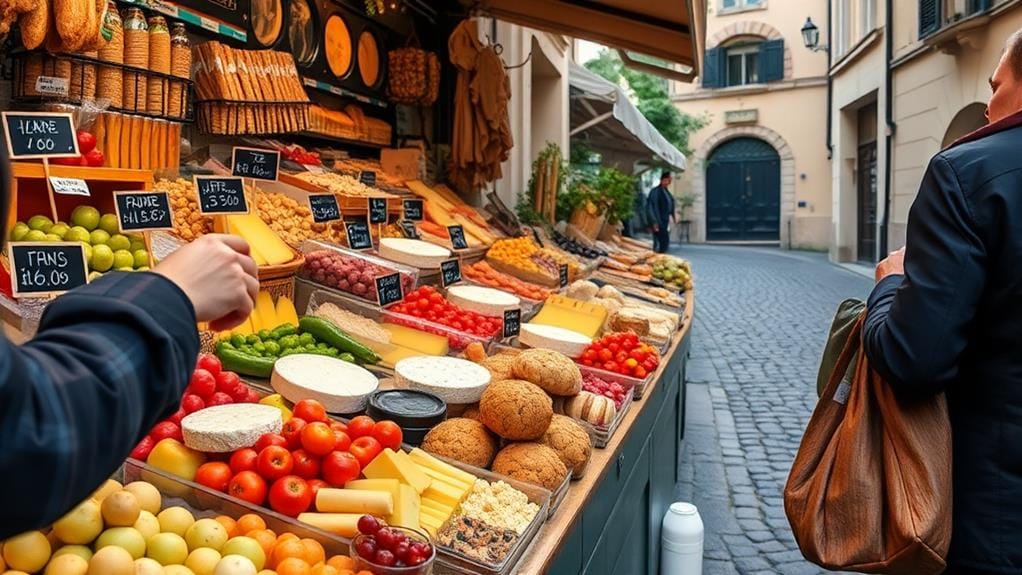
Local markets are a good source of cheap, fresh food, and discount supermarket chains — widely available across much of Europe — are noticeably cheaper than convenience stores or restaurants near major sights.
If your accommodation has a kitchen, cooking even a few meals yourself adds up to real savings over a trip. Many supermarkets also discount prepared sandwiches and salads near closing time, which is worth checking if you’re grabbing lunch on the go. Some grocery chains run their own discount or loyalty programs, so it’s worth asking at checkout if one applies to your purchase.
Work Exchange Opportunities

Types of Work Exchanges
A number of established platforms connect travelers with hosts offering free accommodation, and sometimes meals, in exchange for a few hours of work a day — things like hostel help, gardening, or teaching English. It’s a genuinely useful option for longer trips where a standard accommodation budget would otherwise add up fast.
Housesitting arrangements work similarly for people comfortable looking after someone’s home and pets while they’re away, and other exchange networks run on the same basic model, with a wide range of host projects from farms to creative work. These aren’t shortcuts to a free vacation — you’re committing real hours of work — but they do offer a different kind of access to a place than a typical hotel stay would.
Benefits and Considerations
The appeal of a work exchange is real: lower costs, a deeper look at daily life somewhere, and often a few free meals thrown in by the host. Reviews from previous volunteers are worth reading carefully before committing, since the quality of hosts varies quite a bit — I’ve heard both glowing and cautionary stories from people who’ve done this.
The trade-off is that you’ll typically commit several hours a day to work, which cuts into the time you’d otherwise spend sightseeing. It suits people who want a slower, more immersive trip rather than a packed itinerary, and it’s worth going in with realistic expectations about the balance between work and free time.
Digital Nomad-Friendly Destinations
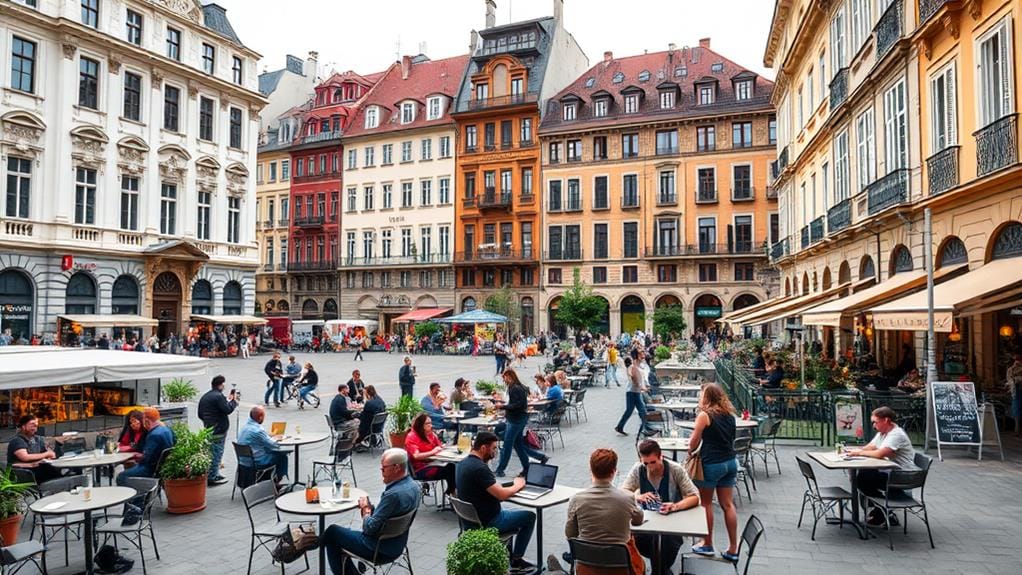
Several European cities have built up reputations as relatively affordable bases for remote workers, generally because of lower rents and a good supply of coworking spaces and cafes with reliable wifi. A handful of Central and Eastern European capitals are commonly cited as examples, with living costs noticeably below the priciest Western European capitals. Costs shift over time, so it’s worth checking current rent and cost-of-living estimates for wherever you’re considering rather than relying on older figures or word of mouth. Parts of the Caucasus region have also drawn digital nomads thanks to visa-friendly policies for longer stays — always confirm current visa rules directly with official government sources before planning around them, since they change.
Lesser-Known Budget-Friendly Cities
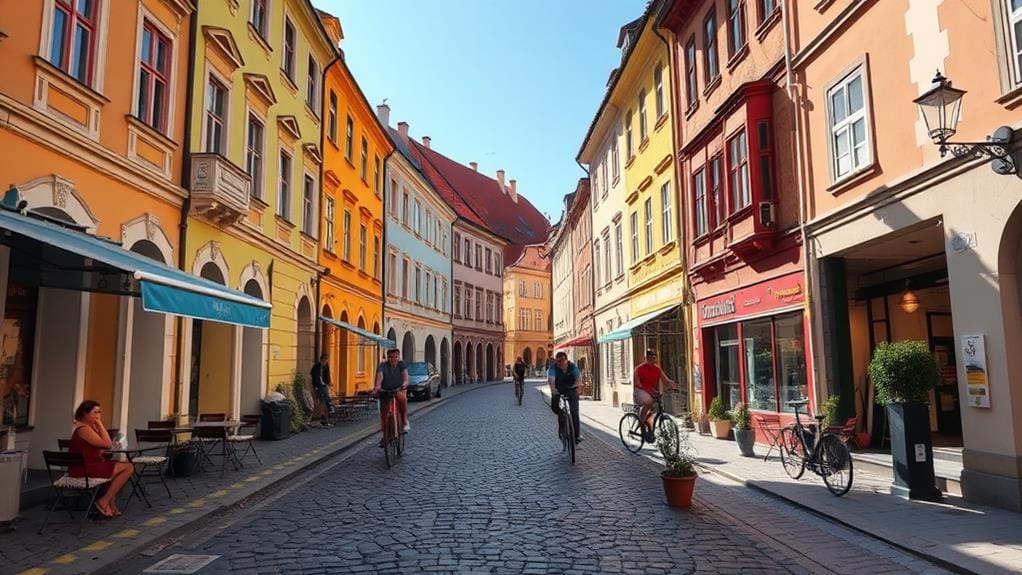
Skipping the most famous capitals for their smaller neighbors often means a similar experience for noticeably less money. A lakeside city in Finland offers a quieter, cheaper alternative to the capital. A smaller Dutch city carries much of Amsterdam’s charm without the crowds or prices, and works well as an easy day trip or short stay. A city in eastern Germany known for its art and history scene generally runs cheaper than the larger, better-known German cities.
A few reasons these smaller cities are worth considering:
- Accommodation and food costs are usually well below capital-city prices
- You get a more local, less touristy experience
- There’s less pressure to overspend chasing must-see attractions
Smaller cities across the Baltics and southeastern Europe are worth a look too, many offering solid architecture and history at prices well below Western Europe.
Frequently Asked Questions
How Do I Travel to Europe on a Tight Budget?
Look into hostels or budget accommodation, use local and regional transit instead of taxis or private transfers, and build your itinerary around free or low-cost activities. Traveling off-season stretches a budget further too.
Can I Travel Europe Cheaply?
Costs vary enormously by region — generally lower in Eastern and Southeastern Europe, higher in Western European capitals, where accommodation and food cost considerably more. Research current prices for your specific route rather than relying on a single daily figure, since it shifts constantly.
How to Save Money When Traveling in Europe?
Use public transit, eat where locals eat rather than near major sights, and take advantage of free museum days and walking tours. Small changes across transport, food, and activities add up over a trip.
How Do I Travel Europe on a Shoestring Budget?
Stick to hostels or budget stays, cook some of your own meals, rely on public transit and budget airlines, and prioritize free attractions. It takes more planning than a typical trip, but it’s very doable.


 By
By