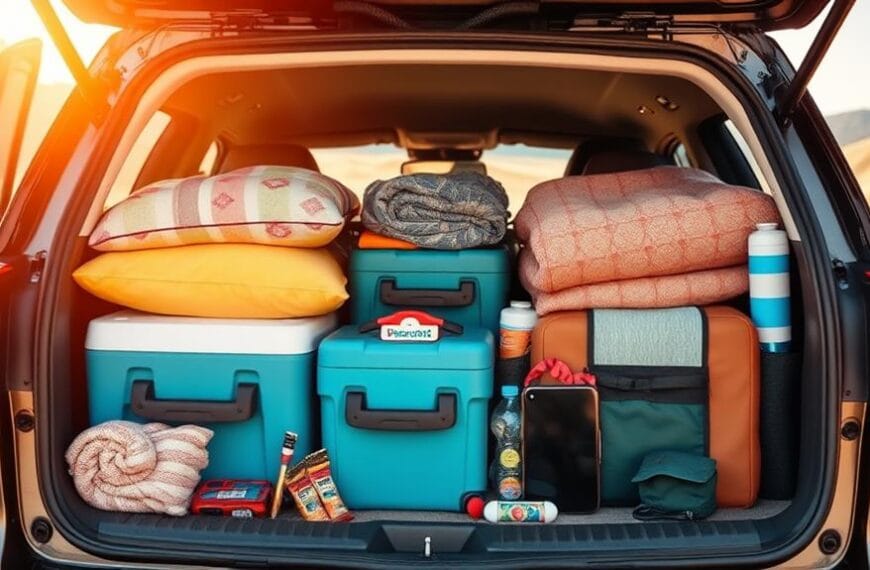
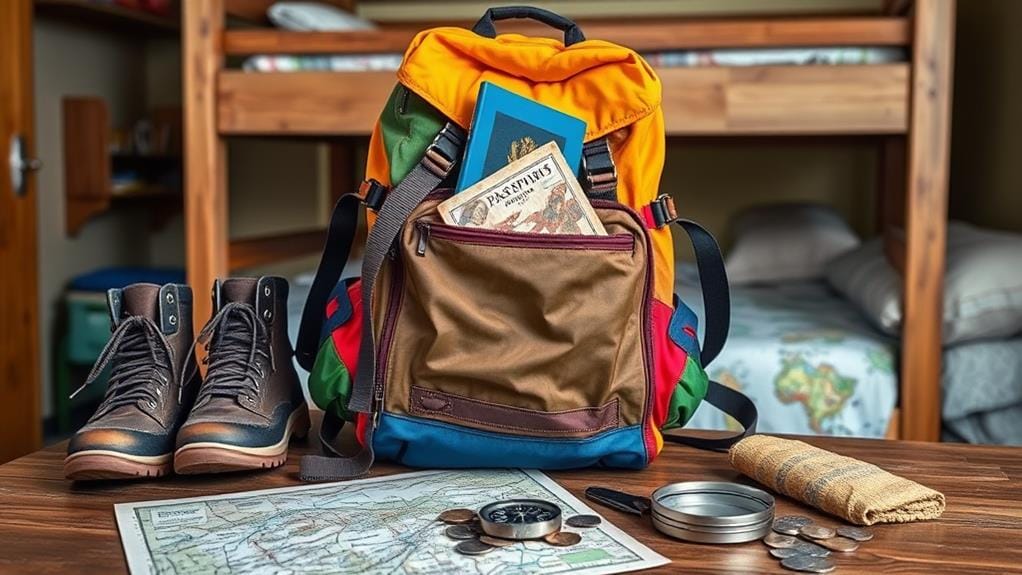

Backpacking on a budget comes down to a handful of habits repeated over and over: travel off-peak, stay cheap but social, cook more than you eat out, and use technology to find the best prices rather than booking the first option you see. None of it is complicated, but over weeks or months on the road it adds up fast — I’ve watched the same small habits separate a trip that runs out of money in week six from one that stretches all the way through.
Plan for Off-Peak Travel
Timing a trip around shoulder or off-season months usually means lower prices on flights and accommodation, plus fewer crowds at the places worth seeing. Wet season in parts of Southeast Asia, for instance, tends to bring down both flight and lodging costs compared to the dry-season peak, even though you’ll want to plan around the weather a bit more and build some flexibility into your itinerary.
Talking to locals once you arrive is one of the best ways to find things worth doing that guidebooks skip, and it usually costs nothing. Booking flights and accommodation well ahead of a low season sweet spot tends to lock in the better rates before they climb closer to your travel dates.
Embrace Budget Accommodation Options
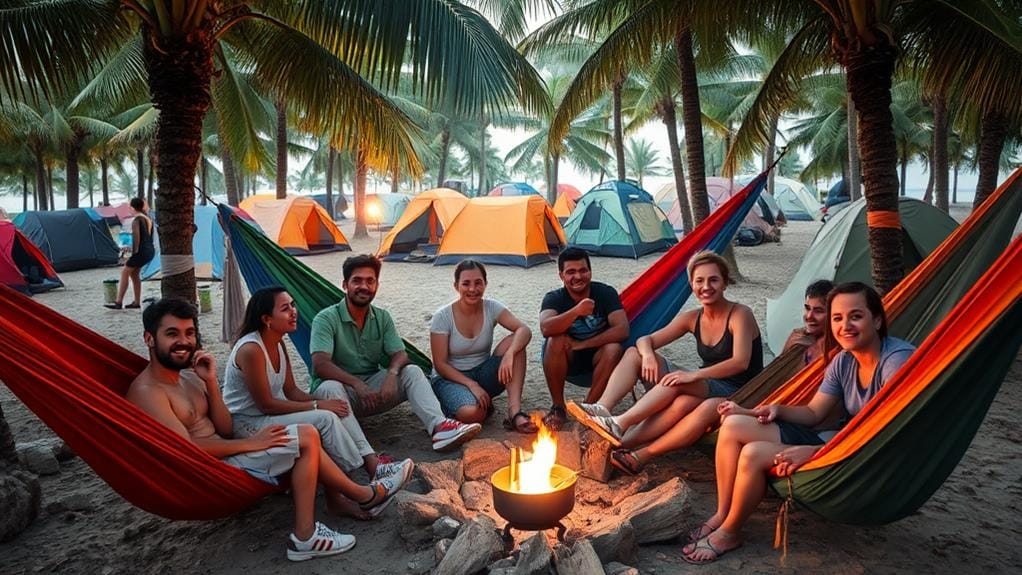
Hostels remain the backbone of budget accommodation, with dorm beds usually running well below the cost of even a basic hotel room, and the social side is a real perk for solo travelers. Many hostels offer work exchange arrangements too — a few hours helping with reception or cleaning in return for a free bed, which can meaningfully stretch a longer trip’s budget.
Communal kitchens are a big money-saver on their own, letting you cook instead of eating out for every meal, and some hostels throw in occasional free meals or gatherings. Home-stay arrangements through established hospitality networks are worth considering too if you’re comfortable with them — free lodging with a local host, and often a much closer look at how people actually live in a place than a hotel stay offers.
Save on Food Expenses
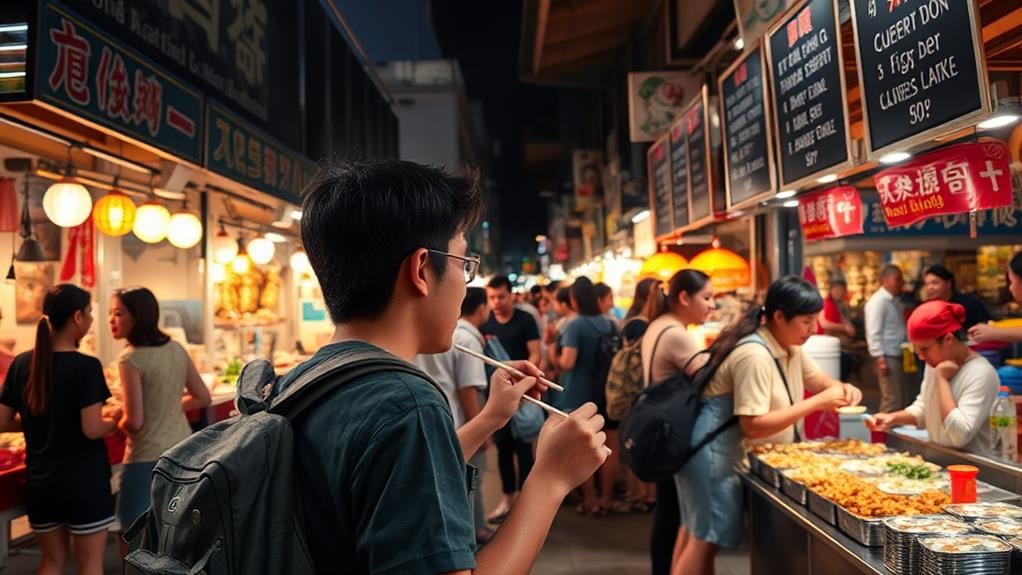
Local, no-frills eateries away from tourist areas are almost always cheaper and often better than anything near a major attraction. Across Latin America and much of Southeast Asia, simple set-menu spots aimed at local workers rather than tourists tend to beat restaurant prices near the main sights by a wide margin — most countries have some equivalent worth seeking out, and asking a local where they’d actually eat lunch usually points you the right way.
If your hostel has a kitchen, use it. Grocery shopping and cooking simple meals costs a fraction of eating out for every meal, and it’s an easy way to control your budget day to day. Pack snacks for long travel days, and keep an eye out for community meals some hostels and hosts organize. Splitting cooking duties and grocery costs with other travelers is a good way to eat well for less and make some friends along the way.
Utilize Free Transportation Methods
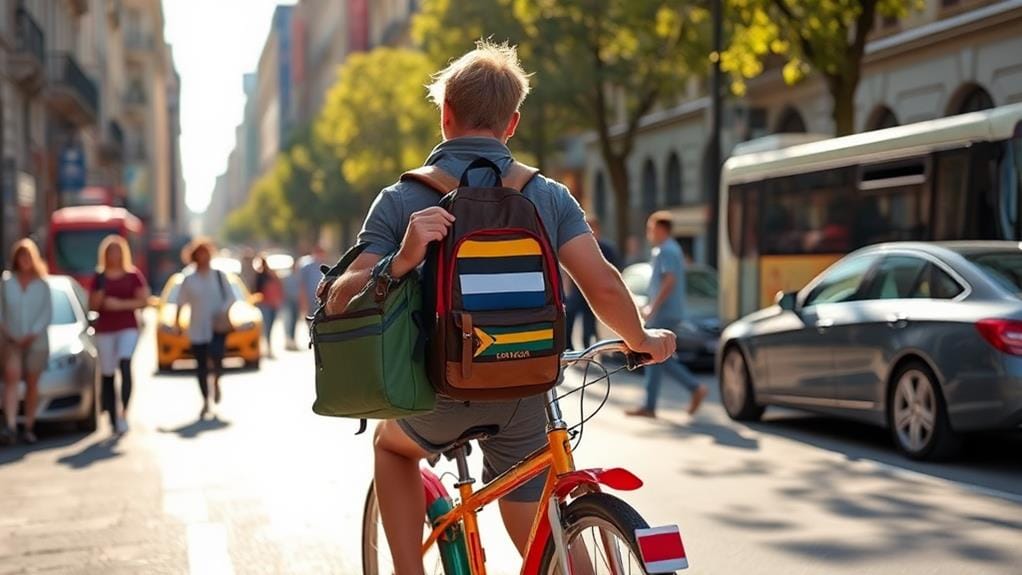
Hitchhiking still happens in parts of Eastern Europe, South America, and elsewhere, and can save real money, though it comes with obvious safety considerations worth thinking through carefully, especially traveling alone — this is one area where I’d rather see someone spend the money than take an unnecessary risk. Local public transport — buses and trains rather than tourist shuttles — is almost always cheaper and gets you a more authentic look at how people actually get around.
Rideshare arrangements through hostels or online travel communities can split costs between several people heading the same direction. And simply walking or biking where distances allow saves money while giving you a much better feel for a place than passing through in a vehicle. Many cities also run bike rental schemes worth checking into.
Explore Local Cultural Experiences
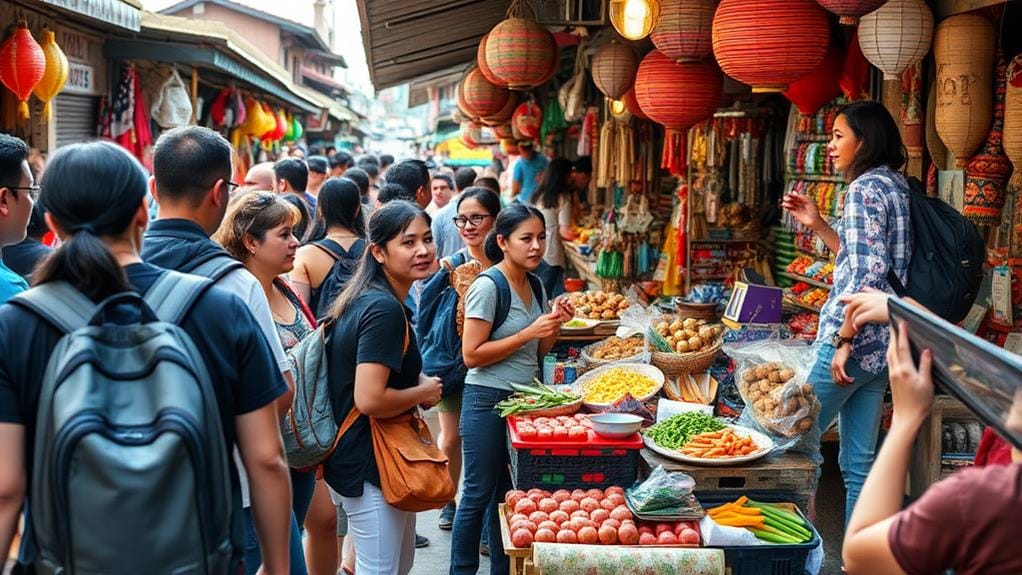
Some of the best cultural experiences cost nothing at all. Local markets offer a taste of regional food and daily life for the price of a snack. Free walking tours, tip-based, are a solid way to learn a city’s history from someone who actually lives there. Many hostels run free classes too — cooking, language basics, sometimes yoga — which are worth checking the noticeboard for.
Community festivals, wherever you happen to land during one, tend to be some of the most memorable and least expensive experiences of a trip. And a local homestay or host arrangement, beyond the free lodging angle, opens up genuine cultural exchange with someone who can point you toward things you’d never find on your own.
Network With Fellow Travelers

Other travelers are one of the best resources for budget tips and local knowledge, and hostel common rooms or travel forums are a natural place to find them. Shared cooking in hostel kitchens — splitting grocery costs and cooking together — saves money and tends to turn into some of the better memories of a trip.
Teaming up for group activities or tours can also mean better group rates than booking solo. It’s worth striking up conversations and joining whatever hostel events are on offer — you’ll often find a travel companion for the next leg, or at least good recommendations.
Leverage Technology for Savings
Use Price Comparison Tools
Flight and accommodation comparison tools make it much easier to spot a genuinely good deal instead of booking the first option that comes up. Setting flexible dates on these tools often reveals fare differences of a few days that add up to real savings on longer trips.
Fare alerts are worth setting up for routes you’re watching, since prices can shift meaningfully day to day. None of these tools guarantee the cheapest possible price every time, but comparing a few of them before booking is a habit worth building.
Exploit Travel Rewards Programs
Airline loyalty programs and travel rewards credit cards can add up over time if you travel often, translating into occasional free flights, upgrades, or hotel stays. It only makes sense if you’re using the card responsibly and not carrying a balance, since interest charges would quickly outweigh any rewards earned.
Signing up for airline newsletters and fare alerts is a low-effort way to catch flash sales. It’s also worth checking flight prices from a different location or browser session occasionally, since airline pricing can vary in ways that are worth a quick check before booking.
Pack Smart and Light
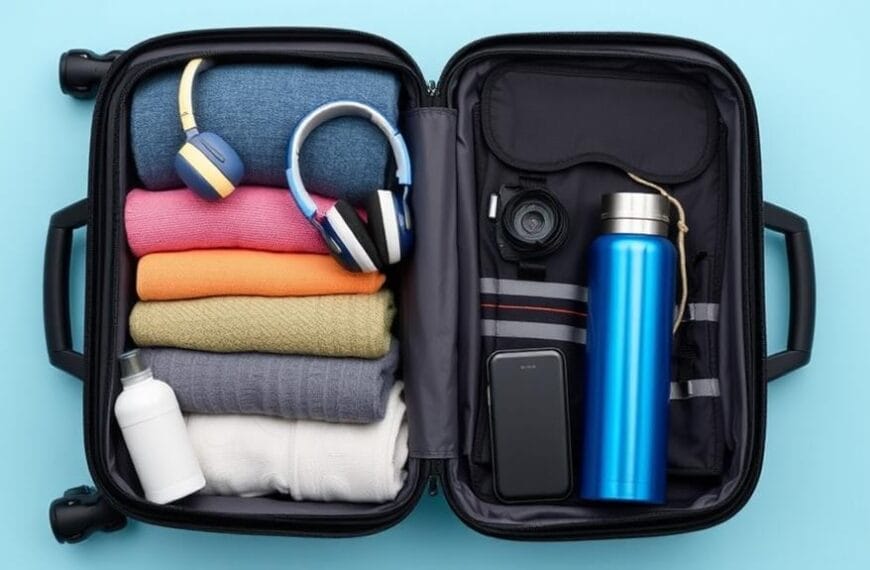
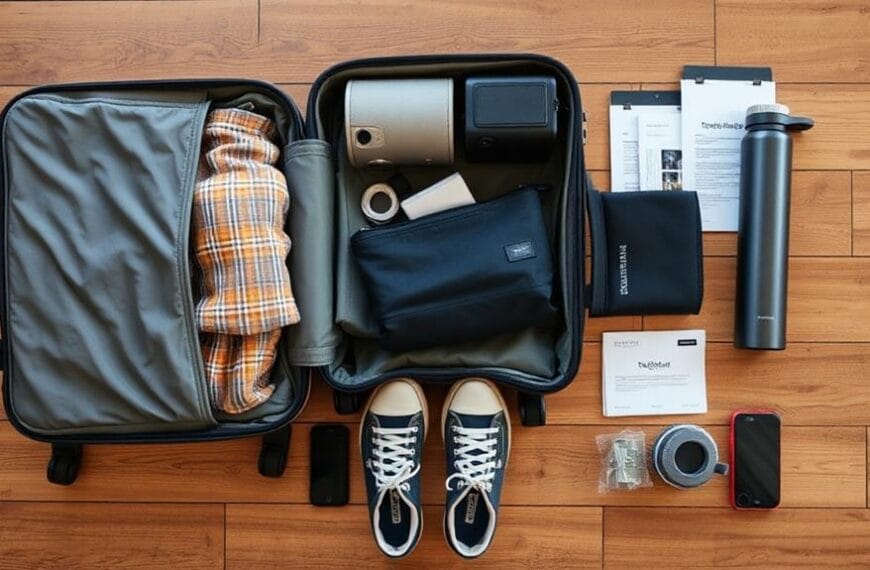
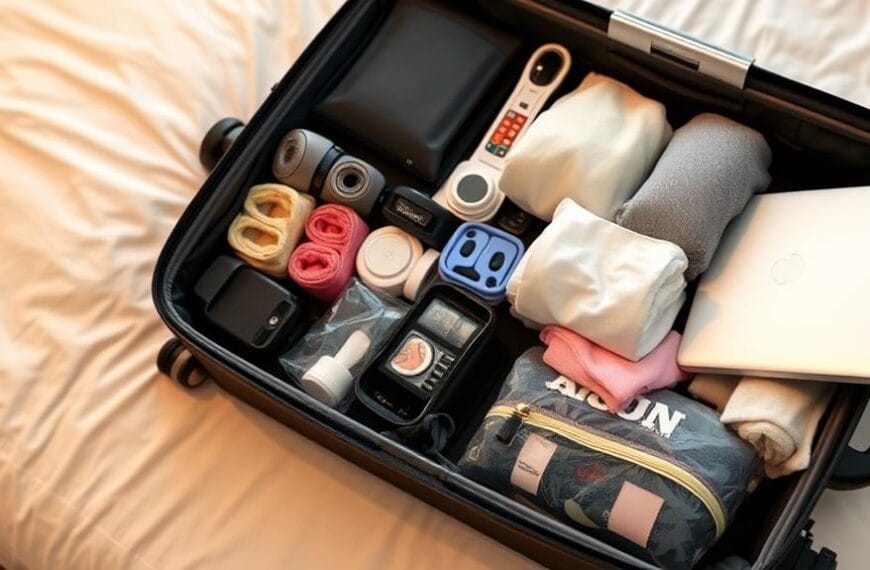
A smaller backpack forces better packing decisions and saves you from lugging around things you don’t need. Packing cubes help keep things organized and compressed within that smaller space.
Versatile, mix-and-match clothing means fewer items cover more outfit combinations, and lightweight, quick-drying fabrics let you wash things in a sink and have them dry overnight, cutting down on how much you need to bring in the first place. Packing light also means avoiding checked baggage fees and moving faster between trains, buses, and hostels.
Frequently Asked Questions
How to Budget for a Backpacking Trip?
Plan around a realistic daily spend for accommodation, food, and transport in your destination, track expenses as you go, and build in a buffer for unexpected costs like transport delays or gear replacement.
How to Travel Hack the World on a Budget?
Combine off-peak travel, budget accommodation, local transport, and free attractions. Cook more than you eat out, look into work exchanges if you have time to spare, and use rewards programs if you already have the right cards.
How Can I Travel a Lot With Little Money?
Favor cheap accommodation and local transport, eat like a local rather than a tourist, and look for free activities and volunteer opportunities. Travel insurance is still worth having even on a tight budget, since one bad incident can cost far more than the premium.
What Is the Cheapest Form of Travelling?
Generally a mix of public transport, budget airlines, hostels, and self-cooked meals, timed around off-peak seasons. No single trick does it alone — it’s the combination that keeps costs down.


 By
By
 By
By