

We’ve all been there: fumbling with chopsticks or wondering which fork to use. But dining etiquette isn’t just about avoiding embarrassment; it’s a global language that opens doors. Mastering these customs can make or break business deals, forge friendships, and show respect for diverse cultures. From slurping noodles in Japan to eating with your right hand in India, these practices reflect rich traditions and values. By understanding and embracing these differences, we’re not just filling our stomachs – we’re building bridges, fostering diplomacy, and creating unforgettable connections. So next time you sit down to a meal abroad, remember: your fork (or chopsticks) might just be the key to revealing a world of opportunities.
Key Takeaways
- Understanding dining etiquette enhances professional relationships and opens doors to new business opportunities globally.
- Knowledge of cultural dining customs prevents embarrassment and fosters respect in international settings.
- Mastering table manners across cultures facilitates meaningful connections and breaks down social barriers.
- Respecting food traditions demonstrates cultural appreciation and can lead to diplomatic breakthroughs.
- Familiarity with diverse dining practices enables seamless navigation of social situations in various countries.
Global Business Lunch Essentials
In light of our increasingly interconnected world, mastering global business lunch etiquette is essential.
We’ve all been there: nervously picking up chopsticks or wondering if we should slurp our soup. But here’s the thing – understanding dining customs isn’t just about avoiding embarrassment; it’s a powerful tool for building professional relationships.
From the timing of your cappuccino in Italy to the proper handling of your chopsticks in Japan, these seemingly small details can make or break a business deal.
We’ve learned that table manners vary wildly across cultures, and what’s polite in one country might be downright rude in another.
Recommended Products


Cultural Sensitivity Through Food
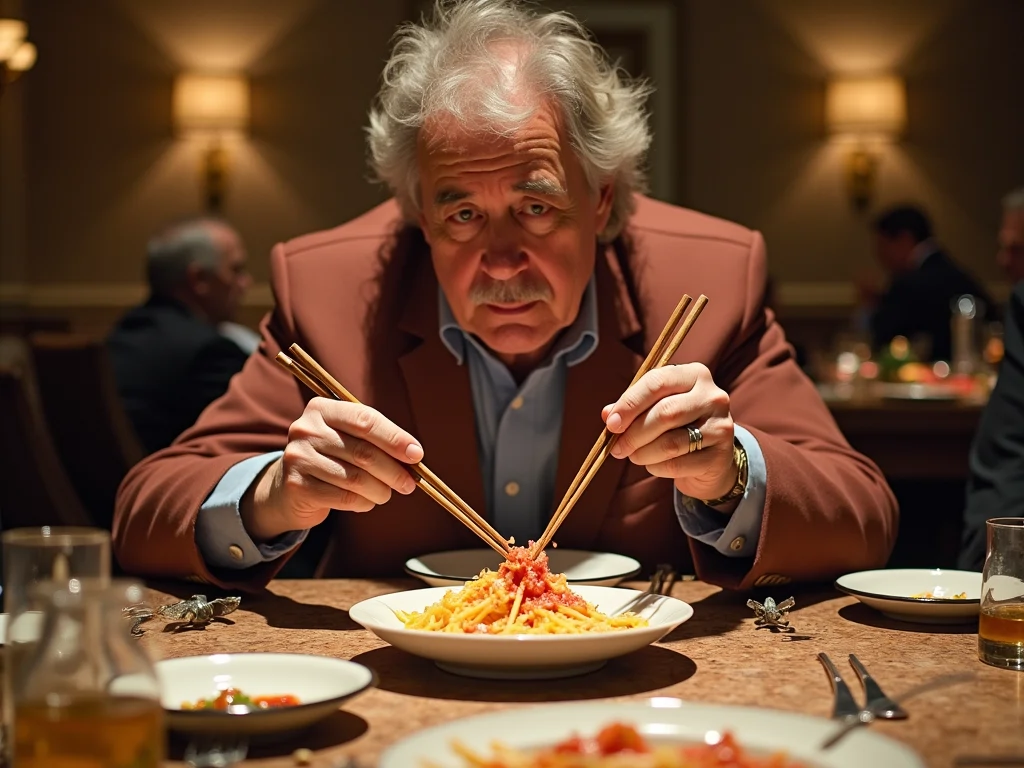
We’ve all been there: fumbling with chopsticks or accidentally insulting our hosts with a misplaced fork.
But when we take the time to learn and respect cultural food norms, we open doors to deeper connections and richer experiences.
Respecting Cultural Food Norms
Numerous cultural food norms exist around the world, and respecting them is essential for fostering positive relationships and demonstrating cultural sensitivity.
We’ve gotta understand that dining etiquette isn’t just about manners; it’s about showing respect towards different cultures. When we’re traveling or dining with folks from other backgrounds, it’s important to be aware of cultural food norms.
Here are some key rules and customs to keep in mind:
- Eating with the right hand in India and Egypt
- Slurping noodles in Japan as a compliment
- Twirling pasta instead of cutting it in Italy
- Removing your shoes before entering homes in Egypt and Ethiopia
- Participating in communal eating in Morocco
Enhancing Cross-Cultural Connections
Food serves as a universal language, bridging cultural divides and fostering connections between people from diverse backgrounds. When we embrace dining etiquette from different cultures, we’re not just following rules – we’re opening doors to new friendships and experiences.
By slurping noodles in Japan or savoring communal dishes in Ethiopia, we’re showing respect for local traditions and building stronger interpersonal relationships. It’s amazing how sharing a meal can break down barriers!
Let’s explore local cuisine with open minds and hearts. Whether it’s waiting for the host to start eating in China or bringing a sweet treat to dinner in Egypt, these small gestures of cultural sensitivity go a long way.
Through these cross-cultural exchanges, we’re not just tasting delicious food – we’re creating lasting memories and understanding. So, let’s raise our glasses (or cups) to the freedom of exploring cultures through dining!
Avoiding Social Faux Pas Abroad
We’ve all been there – that moment when we realize we’ve accidentally committed a social faux pas while dining abroad.
To avoid such embarrassing situations, it’s essential we do our homework before traveling, researching local customs and dining etiquette.
Once we’re at the table, we can discreetly observe how others are eating and, if we’re still unsure, there’s no shame in politely asking our hosts or fellow diners about proper manners – they’ll often appreciate our effort to respect their culture.
Research Local Customs Beforehand
Savvy travelers know that researching local dining customs before starting on an international journey can make or break their cultural experience.
We’ve all been there – feeling awkward and out of place at a foreign dinner table. But fear not! With a little homework, we can avoid those cringe-worthy moments and dive headfirst into delicious cultural immersion.
Here’s what we need to keep in mind:
- Utensil use (chopsticks in Japan, hands in Ethiopia)
- Hand preferences (no left hand in India or Egypt)
- Dining rituals (waiting for the host in China and Saudi Arabia)
- Plate etiquette (clean plates in Germany and France)
- Meal structures (pasta rules in Italy, slurping noodles in Japan)
Observe Others’ Dining Behaviors
While doing your homework on local customs is invaluable, there’s no substitute for real-time observation once you’re at the table. We’ve all been there, nervously eyeing our chopsticks in Japan or wondering if it’s polite to burp in China. That’s why observing others’ dining behaviors is essential. It’s your ticket to blending in and avoiding those cringe-worthy cultural faux pas.
| Country | Etiquette Tip | Why It Matters |
|---|---|---|
| Japan | Slurp noodles | Shows appreciation |
| China | Gentle burping | Compliments the chef |
| Italy | Don’t cut pasta | Preserves tradition |
| Morocco | Wait for host’s blessing | Respects hierarchy |
| India | Eat with right hand | Cultural significance |
Ask Politely When Uncertain
When faced with unfamiliar dining customs abroad, don’t be afraid to ask politely for guidance.
We’ve all been there – unsure whether to slurp our noodles or use chopsticks properly. By asking our hosts or locals about dining etiquette, we’re not only showing respect but also avoiding cultural misunderstandings.
It’s liberating to embrace new customs and expand our culinary horizons. Remember, it’s better to ask than to accidentally offend!
Here are some situations where asking politely can save us from embarrassment:
- Eating with hands in India
- Slurping noodles in Japan
- Removing shoes before entering homes in Egypt
- Ordering coffee in Italy
- Using chopsticks correctly in China
Dining as Relationship Building Tool
Throughout history, dining has served as a powerful tool for building and strengthening relationships across cultures.
We’ve all been there, nervously wondering if we’re using the right fork or if it’s considered polite to slurp our soup.
But here’s the thing: mastering dining etiquette isn’t just about avoiding embarrassment at the dining table. It’s a gateway to cultural sensitivity and relationship-building.
When we embrace local dining customs, we’re showing respect and opening doors to deeper connections.
Think about it – sharing a meal in Ethiopia or using your right hand in India isn’t just about food; it’s about bonding.
By understanding and adapting to dining etiquette worldwide, we’re not just filling our stomachs; we’re nourishing relationships, both personal and professional.
It’s our ticket to freedom in a global world!
Navigating International Dining Customs
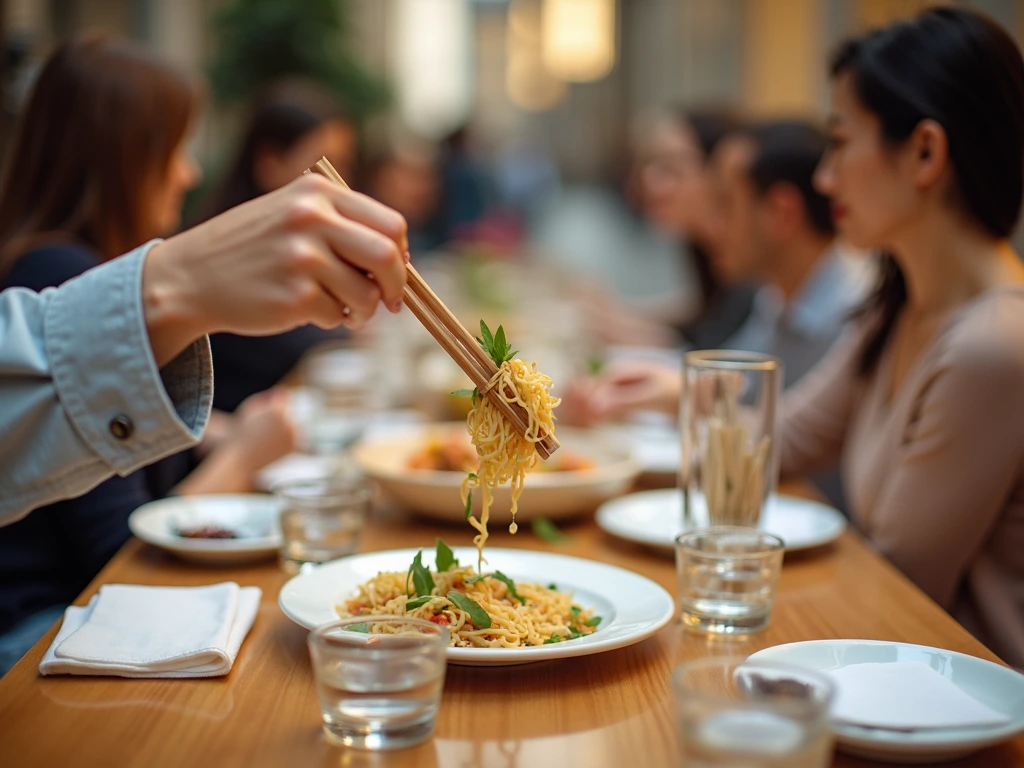
Maneuvering international dining customs can feel like a culinary minefield, but it’s an essential skill for global citizens.
We’ve all been there: nervously eyeing chopsticks or wondering if we’re about to commit a cultural faux pas at the table.
But fear not! By understanding dining etiquette worldwide, we’re not just avoiding embarrassment; we’re embracing freedom to explore and connect.
Here’s a taste of what we’ve learned:
- In India, the left hand’s considered rude for eating
- Italians frown upon cappuccinos after 11 am
- Gentle burping in China? It’s a compliment!
- Slurp those noodles in Japan – the chef will love it
- In Morocco, shoes off before entering homes
Recommended Products
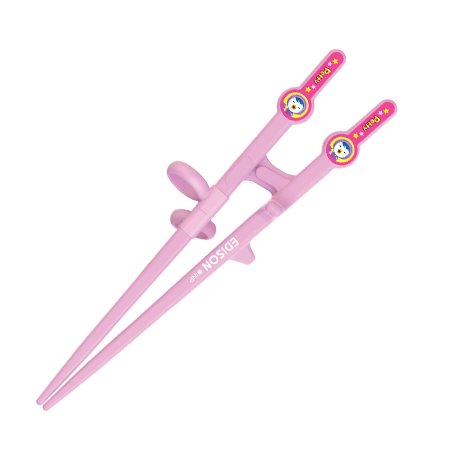
Ergonomic & scientific angle of the rings

Includes 12 Clothespin Chopsticks in Assorted Transparent Colors!

Safe & Healthy: The Japanese style chopsticks are made of natural woods with smooth surface,handmade and polished traditional process,safe and healthy
Culinary Diplomacy in Action
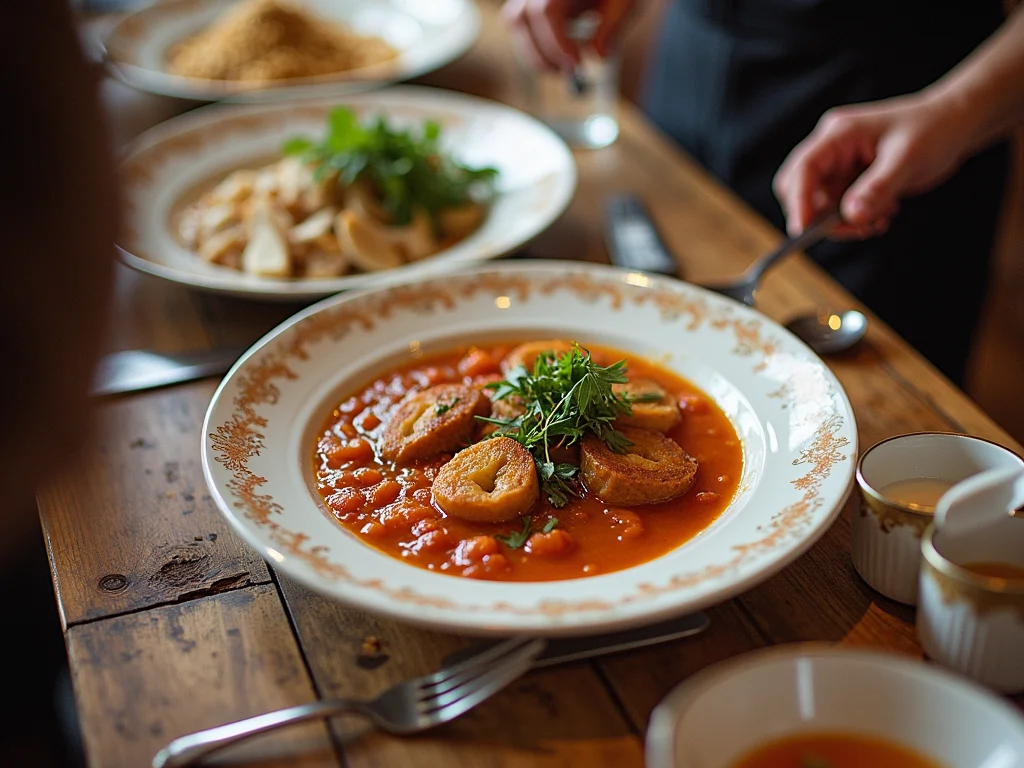
Countless diplomatic breakthroughs have occurred over shared meals, proving that culinary diplomacy isn’t just about good food—it’s a powerful tool for international relations.
We’ve seen how cultural exchange through dining can bridge gaps between nations, fostering mutual respect and understanding. By embracing diverse dining customs, we’re not just savoring flavors; we’re building connections.
Whether it’s slurping noodles in Japan or participating in a communal African feast, our willingness to adapt shows respect for others’ culinary heritage. These shared meals create a backdrop for negotiations, breaking down barriers and promoting trust.
As we navigate the world of international dining etiquette, we’re not just following rules—we’re opening doors to new friendships and alliances.
Etiquette for Cross-Cultural Hospitality
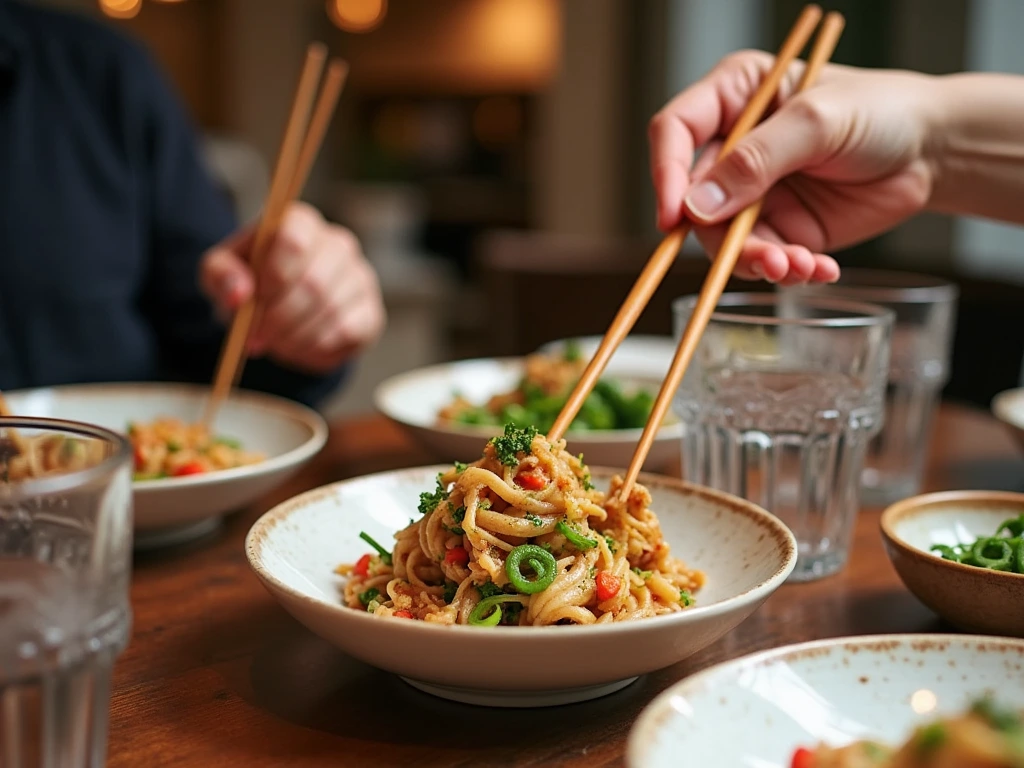
When we step into the domain of cross-cultural hospitality, we’re traversing a minefield of unspoken rules and expectations.
Dining etiquette isn’t just about fancy manners; it’s our ticket to genuine cultural immersion and respect. We’ve got to embrace local customs like they’re our own, whether it’s using our right hand in India or mastering chopsticks in Japan.
Let’s explore the world of cross-cultural dining practices:
- Slurp those noodles in Japan – it’s a compliment!
- Burp gently in China – the chef will be flattered
- Eat with your right hand in Middle Eastern countries
- Join the communal feast in Ethiopia
- Follow seating customs in Saudi Arabia
Recommended Products

Package Included: the chopstick helpers for adults are available in a range of vibrant colors, including red, blue, pink, orange, yellow and so on, sufficient quantity satisfies your daily needs, this variety allows you to add a touch of personal style to your dining experience or coordinate with your table setting
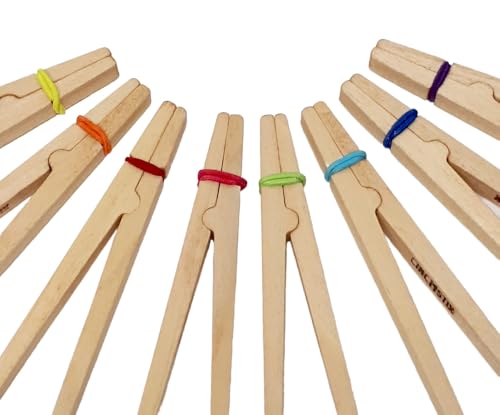

Sufficient Quantity: with our package that includes 1000 chopsticks reusable helpers, you will have a sufficient quantity to meet your daily needs; Its generous volume allows you to share the chopstick helper with your friends and family, ensuring everyone can enjoy the ease of using chopsticks
Mastering Table Manners Worldwide

The global tapestry of table manners is as rich and varied as the cuisines themselves.
We’ve all been there, feeling a bit lost when faced with unfamiliar dining etiquette. In India, we’re expected to eat with our right hand, while in Italy, we’d better not cut that pasta with a fork!
Japan’s slurping noodles might throw us off, but it’s a compliment to the chef. And in China, a gentle burp? It’s actually a sign of appreciation!
Let’s not forget Morocco, where communal dining is the norm. We’re sitting on the floor, sharing food from common dishes.
It’s a beautiful dance of cultures, isn’t it? Whether we’re using chopsticks in a formal setting or maneuvering small portions in a fancy restaurant, mastering these diverse table manners opens doors to incredible culinary adventures.
Frequently Asked Questions
Why Is It Important to Understand Dining Etiquette of Other Countries?
We’ll enhance our cultural respect and social interactions by grasping dining etiquette abroad. It’s essential for building business relationships, boosting our personal image, and enriching travel experiences. We’ll also deepen our understanding of culinary traditions and sharpen communication skills.
Why Is It Important to Learn Dining Etiquette?
Our forks become bridges to understanding. We’ll master dining etiquette to show cultural respect, sharpen social skills, and gain a professional edge. It’ll boost our confidence at family gatherings, nail first impressions, and build relationships that transcend the table.
Why Is It Important to Learn Proper Table Etiquette When You Travel to Foreign Countries?
We’ll enhance our cultural appreciation and social interactions by learning proper table etiquette abroad. It’s a sign of respectful behavior, honoring dining customs while boosting our personal image. We’ll gain travel confidence and enjoy richer culinary experiences.
What Is Global Dining Etiquette?
We might think it’s trivial, but global dining etiquette’s fascinating! It’s a blend of cultural differences, social norms, and meal rituals. From utensil usage to seating arrangements, dining customs and communication styles vary worldwide, offering us a chance to explore diverse traditions freely.
Conclusion
As we’ve seen, dining etiquette is more than just knowing which fork to use. It’s about building bridges, fostering understanding, and creating connections across cultures. Remember, when in Rome, do as the Romans do. By embracing global dining customs, we’re not just filling our stomachs; we’re opening our hearts and minds. So next time you’re breaking bread with international friends or colleagues, savor the opportunity to learn, grow, and connect. After all, good manners are a universal language.


 By
By
 By
By


 By
By