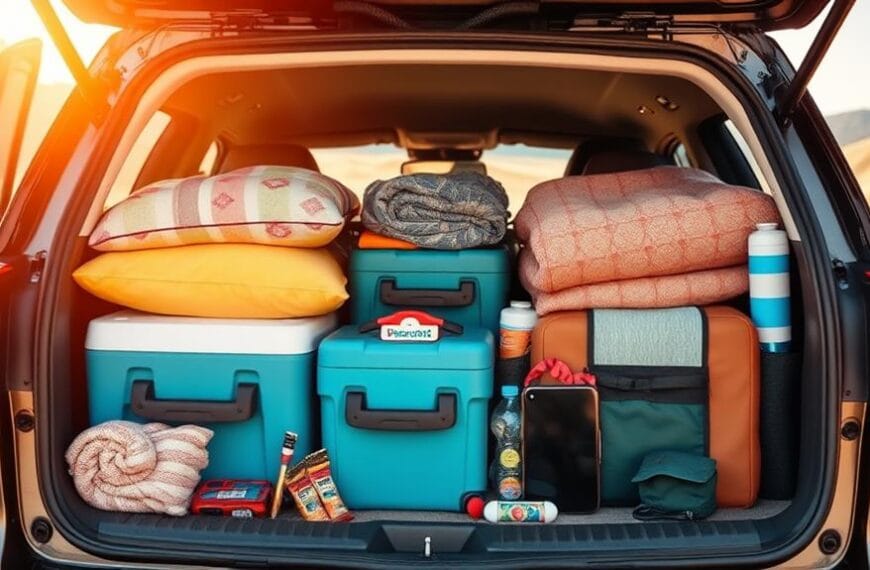

Budget travel mostly comes down to a set of habits rather than one big secret: being flexible on flight dates, choosing accommodation that isn’t a traditional hotel, using local transport, eating where locals eat, and packing light enough to skip checked-bag fees. None of it is glamorous, and I’ve applied every one of these tips myself more times than I can count, but together they can meaningfully cut the cost of a trip.
Last-Minute Flight Deals
Being flexible with travel dates opens up access to discounted last-minute fares on seats airlines haven’t sold. These deals aren’t guaranteed and vary a lot by route and season, but they can be meaningfully cheaper than booking well in advance, especially for routes with lower demand.
Setting price alerts on flight-comparison tools takes the legwork out of watching for a good fare, and it’s worth checking airline newsletters and social accounts occasionally for flash sales. Booking directly through the airline sometimes avoids third-party fees, so it’s worth comparing before you commit.
Flexible Accommodation Options
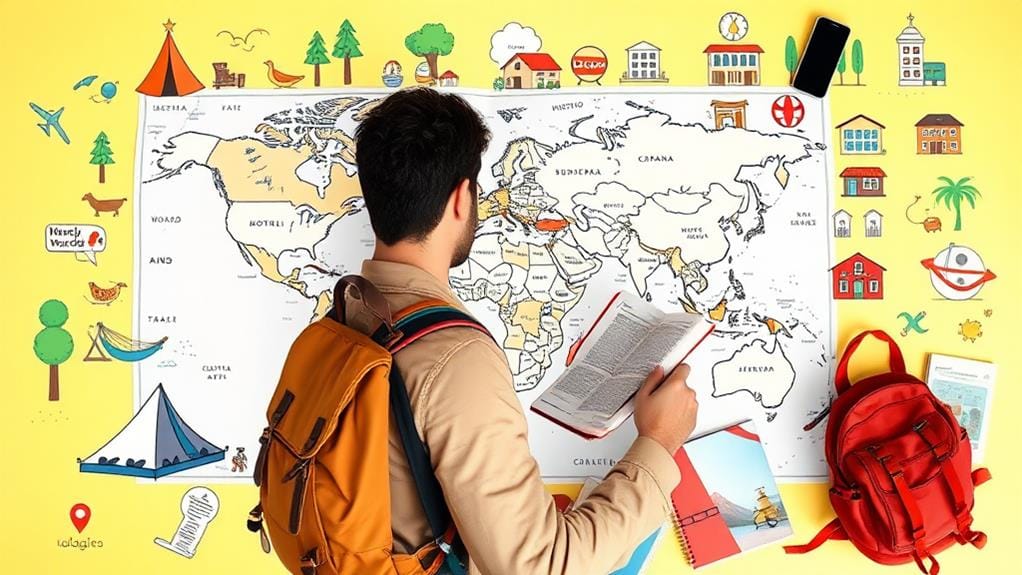
Short-term rental platforms can undercut traditional hotels significantly, especially for longer stays or group trips where splitting a whole apartment beats several hotel rooms. Work exchange programs are worth considering too if you have time to spare — trading a few hours of labor for free accommodation.
Hostels remain one of the most reliable budget options, and many have shared kitchens that let you cook instead of eating out every meal. Don’t overlook budget hotel chains either; they sometimes offer better value than short-term rentals once fees are factored in. It’s worth comparing a few options rather than defaulting to whichever platform is most familiar to you.
Local Transportation Savings
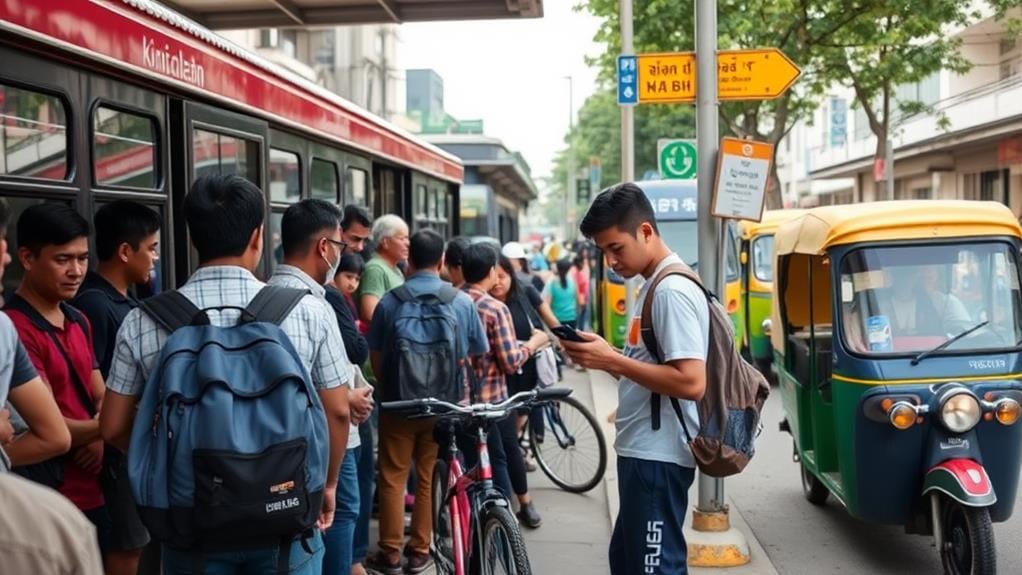
Public transport — buses and trains rather than taxis or rideshares — is almost always the cheaper way to get around a city, and many cities offer day passes that make unlimited travel worthwhile if you’re moving around a lot. Local transit apps make navigating an unfamiliar system much less intimidating than it feels the first morning.
Bike rentals are a good option in walkable cities, both for cost and for getting a better feel for the place. And overnight buses or trains can solve two problems at once on longer routes: covering distance while saving a night’s accommodation cost, though it’s worth weighing that against a night of actual sleep, which matters more than it sounds like on the trip’s tougher days.
Dining on a Dime
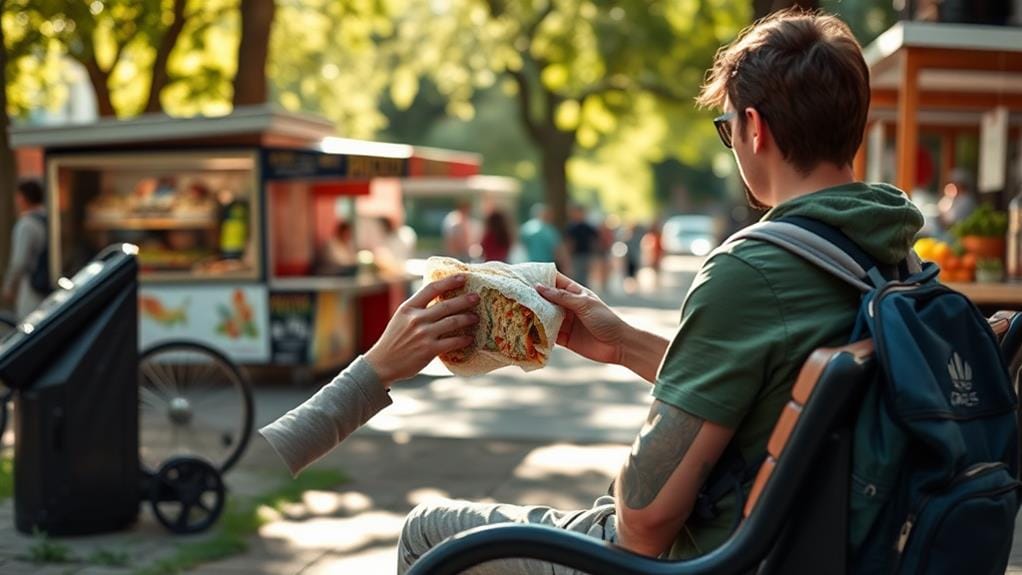
Walking a few blocks away from major tourist sites tends to turn up better and cheaper food than anything directly next to the main attractions — this is close to a universal rule wherever I’ve traveled. Mixing eating out with cooking in your rental, if you have kitchen access, keeps food costs from eating your whole budget, and food often is the biggest daily expense on a trip if you’re not careful.
Take advantage of any included accommodation perks like breakfast. Local markets and grocery stores are worth a visit even if you’re not cooking a full meal — fresh produce and snacks are usually cheaper and better than convenience store options.
Free Attractions and Activities
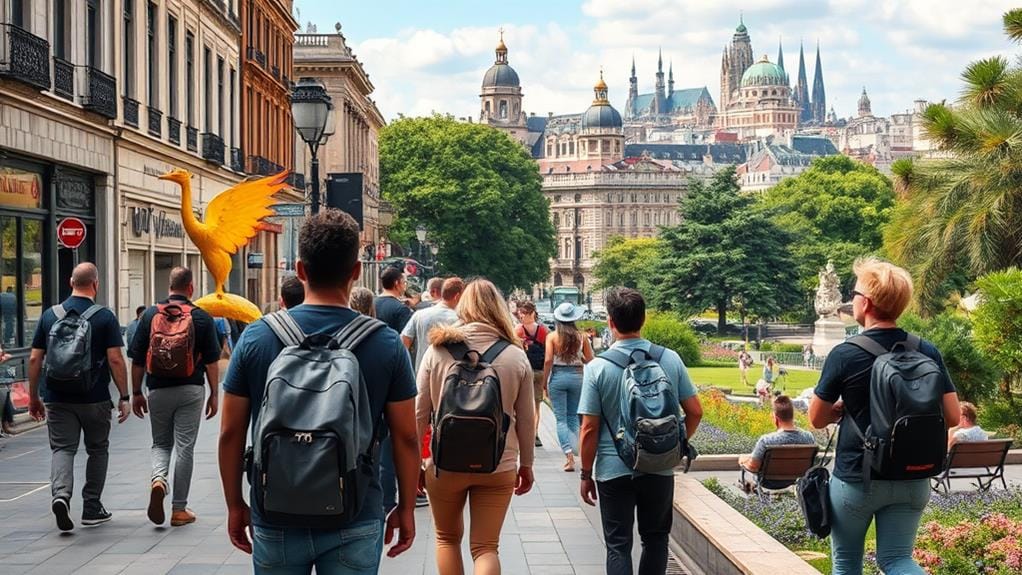
Free walking tours, run on tips, are one of the best ways to get oriented in a new city while learning some real history from someone who lives there. Many museums offer free admission days worth planning around, and public parks and nature reserves cost nothing at all for a picnic or a hike.
Local festivals are often free and give a much better sense of a place than any paid attraction. Volunteer opportunities are worth looking into too, since some offer free meals or lodging in exchange for a few hours of help, alongside a more genuine connection to the local community.
Packing Light for Savings
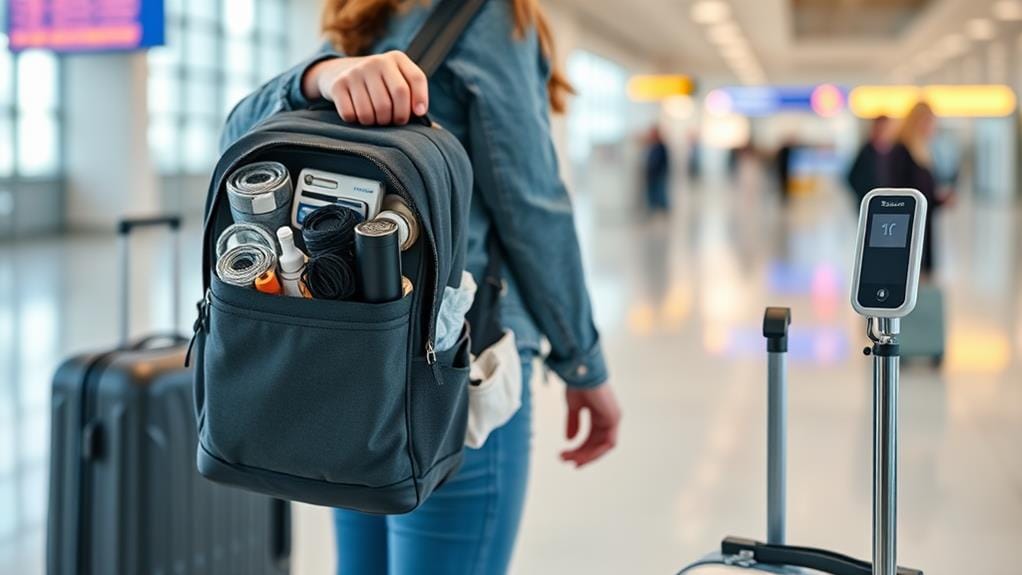
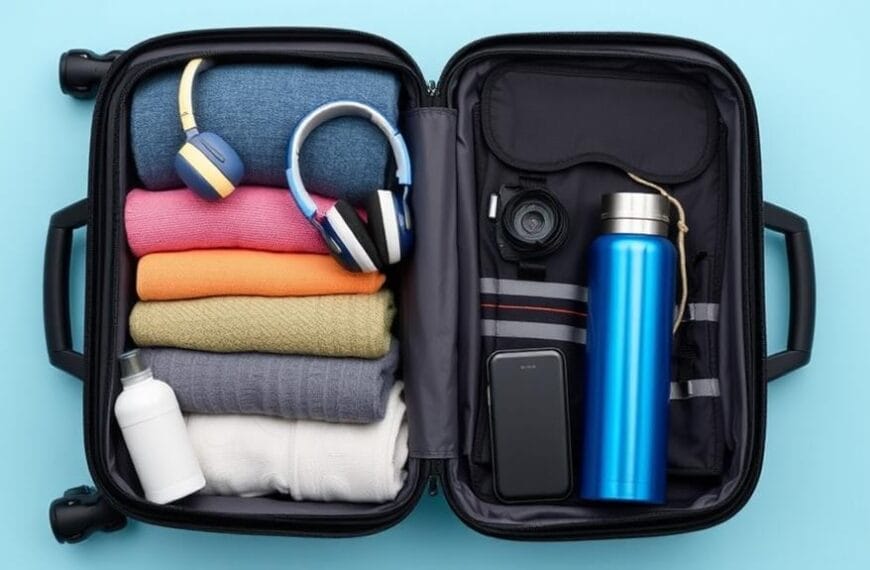
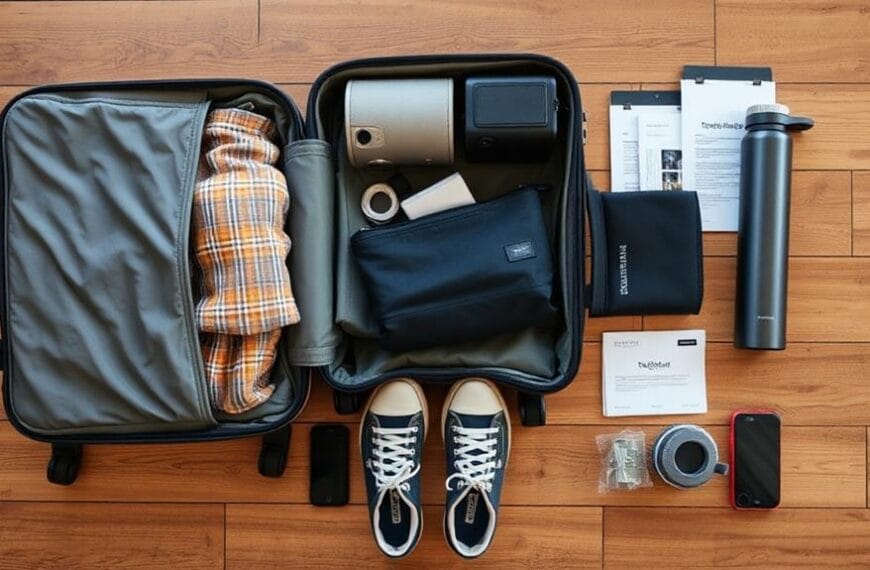
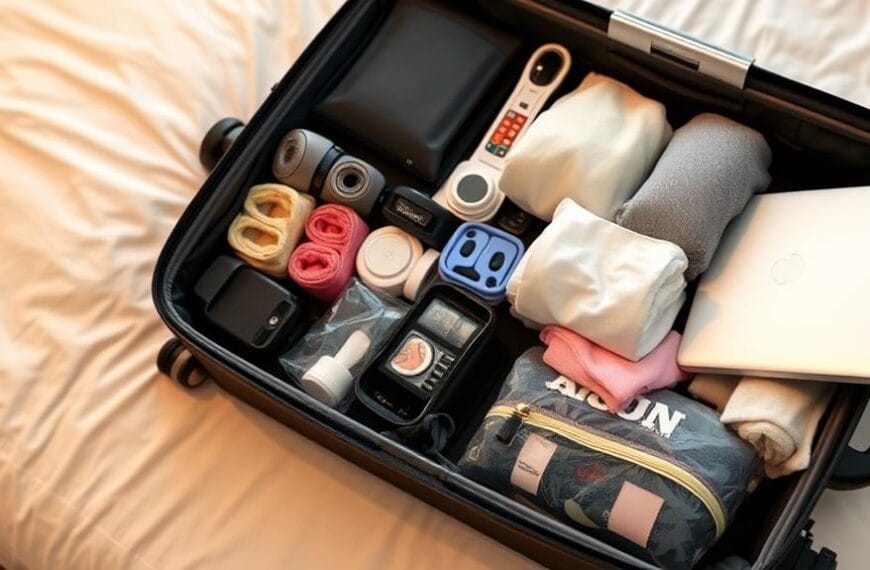
Sticking to carry-on luggage avoids checked baggage fees entirely, which on some airlines can add up to a meaningful chunk of a ticket price over a multi-leg trip. Rolling clothes instead of folding saves space and cuts down on wrinkles, and packing cubes make organizing a smaller bag much easier.
A simple, repeatable packing checklist can help make sure you don’t forget essentials, especially useful if you travel often. Keeping travel documents in one dedicated spot in your bag saves the stress of a last-minute search at the gate.
Currency Exchange Tips
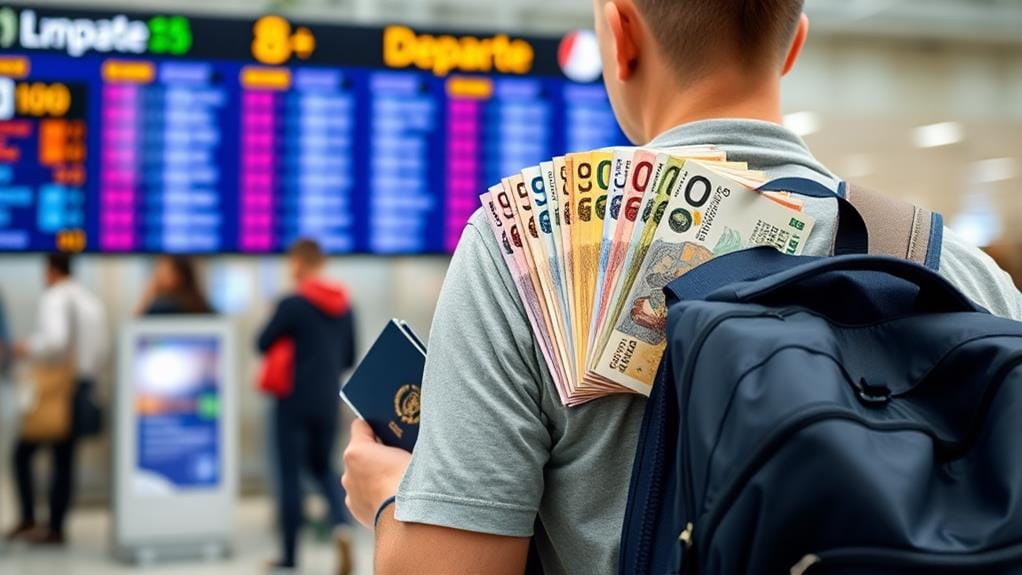
Compare Exchange Rates
Exchange rates and fees vary a lot between banks, kiosks, and online platforms, so it’s worth comparing rather than accepting the first one you see. Some exchange services charge noticeably higher fees than others, so a bit of research before a trip can save real money over time.
A credit card with no foreign transaction fees is one of the simplest ways to avoid unnecessary costs on purchases abroad, and it’s worth applying for one before you travel if you don’t already have one.
Avoid Airport Kiosks
Airport currency exchange counters typically offer worse rates than you’ll find elsewhere, largely because of the captive audience and convenience factor. A better approach:
- Use a debit or credit card with no foreign transaction fees where possible
- Withdraw from local ATMs, which usually offer better rates than exchange counters
- Bring a small amount of destination currency from home for the first few hours
- Check typical exchange rates before you travel so you can spot a bad deal
Use ATMs Wisely
Withdrawing from local ATMs is usually the most cost-effective way to get cash abroad, especially with a card that waives foreign transaction fees. When the ATM asks whether to charge in local currency or your home currency, choose local currency — the alternative usually applies a worse exchange rate, a trick that catches out even experienced travelers.
Let your bank know about your travel plans ahead of time to avoid your card getting flagged and blocked for suspicious activity. It’s also worth checking whether your bank has partner banks abroad that offer fee-free withdrawals, since that can add up to real savings on a longer trip.
Travel Insurance Considerations
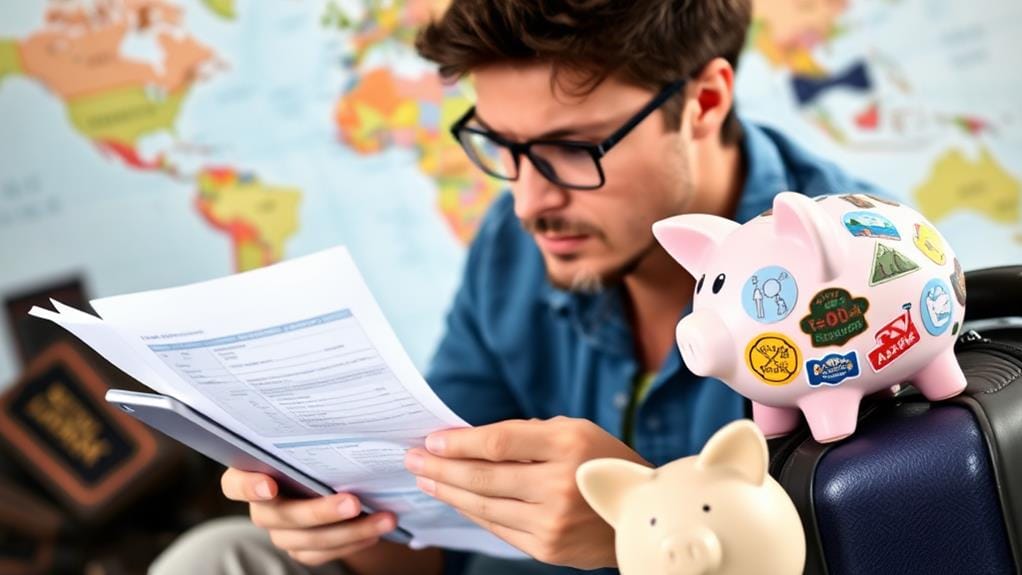
Travel insurance is one of the few places where spending a bit more up front is usually the right call, even on a tight budget. It typically covers nonrefundable costs if a trip gets cancelled, and importantly, it covers medical emergencies abroad, which can be far more expensive than a domestic emergency depending on where you’re traveling and what your regular health coverage does or doesn’t do overseas.
Costs and coverage vary a lot by provider and by what you need covered, so it’s worth comparing a couple of policies rather than buying the first one you find. Buying soon after booking a trip generally gets you the most protection, including certain cancellation-related coverage that may not apply if you wait.
Frequently Asked Questions
What Travel Hacks Have Saved You a Lot of Money?
Packing light to avoid baggage fees, setting flight price alerts, using local transit instead of taxis, and eating where locals eat rather than near major attractions all add up over a trip.
Are Travel Hacks Worth It?
Most are worth the small effort, since they save money without much sacrifice in comfort or experience. The value depends on the trip length and destination — the longer the trip, the more small savings compound.
How to Travel Hack the World on a Budget?
Combine budget airlines, rewards programs if you have them, accommodation deals, and local eating and transport habits. Always keep travel insurance in the mix regardless of how tight the budget is.
What’s the Best General Advice on Budgeting for Travel?
The common thread across most sound financial advice is to save up for travel rather than finance it with debt, keep an emergency fund intact, and choose destinations and trip lengths that fit a realistic budget rather than stretching to afford something unsustainable.

 By
By

 By
By