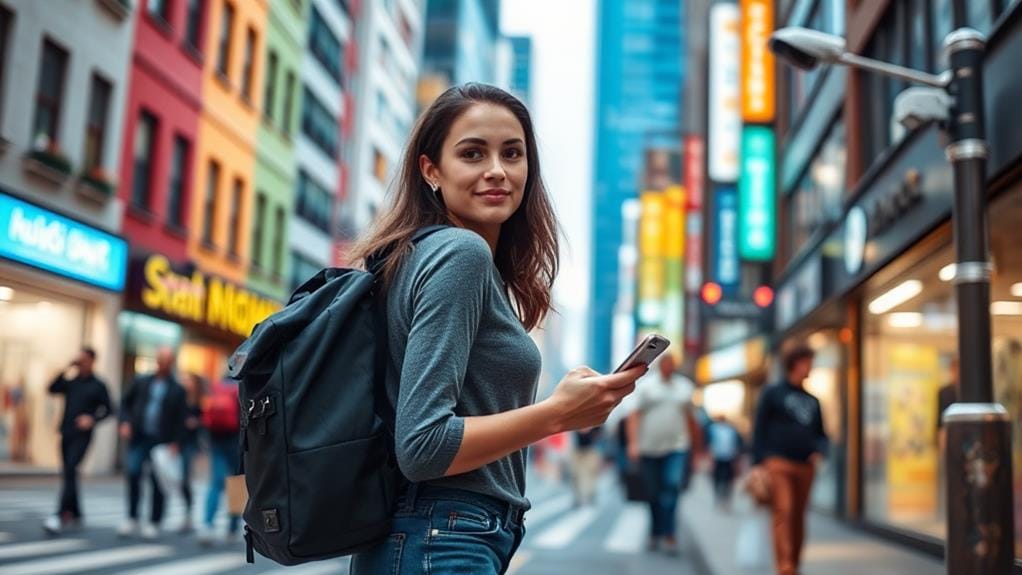

Traveling alone as a woman is safe in most places most of the time, and after years of guiding and traveling solo myself, I still think the biggest risk most people run is not preparation, but overconfidence or complacency. A bit of preparation goes a long way toward keeping a trip smooth. Research your destination before you go, stay in touch with someone back home, choose accommodation with real safety features and good reviews, and pay attention to your surroundings once you’re there. None of this should stop you from going — it just makes the trip smoother.
Research Your Destination Thoroughly Before Traveling Alone
Before you go, it’s worth spending some time understanding the basics of where you’re headed — general safety conditions, areas that locals or recent travelers flag as best avoided at night, and any common scams targeting tourists in that specific city or country. Official government travel advisory sites are a reasonable starting point, alongside recent reviews and blog posts from other solo female travelers who’ve been there.
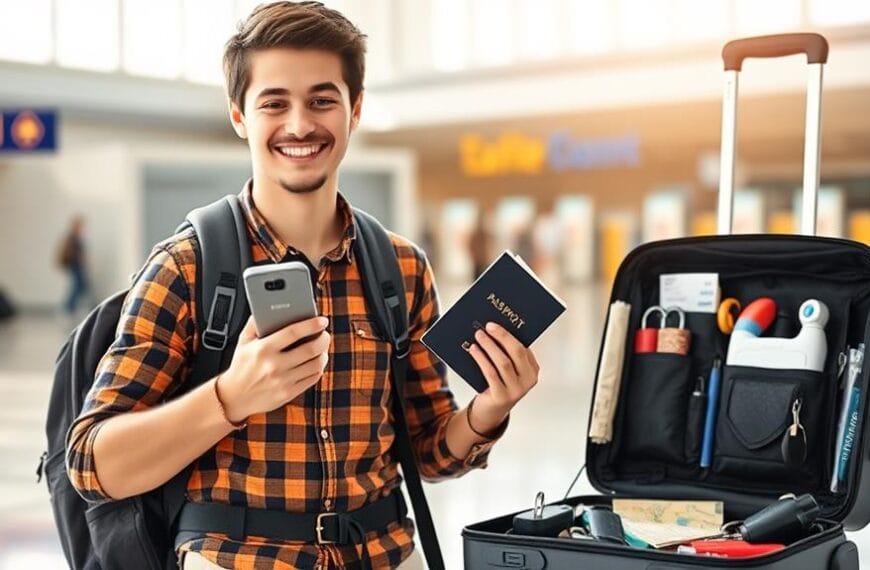
It’s also worth reading up on local customs and typical dress norms, partly out of respect and partly because standing out as an obvious tourist can occasionally invite more unwanted attention. If your home country offers a traveler registration service, signing up means your embassy has a record of your trip in case of an emergency. Keep local emergency numbers and your travel insurance details somewhere easy to find, and always check current entry and safety guidance through official sources rather than relying on older posts, since conditions and rules can change.
Stay Connected With Trusted Contacts
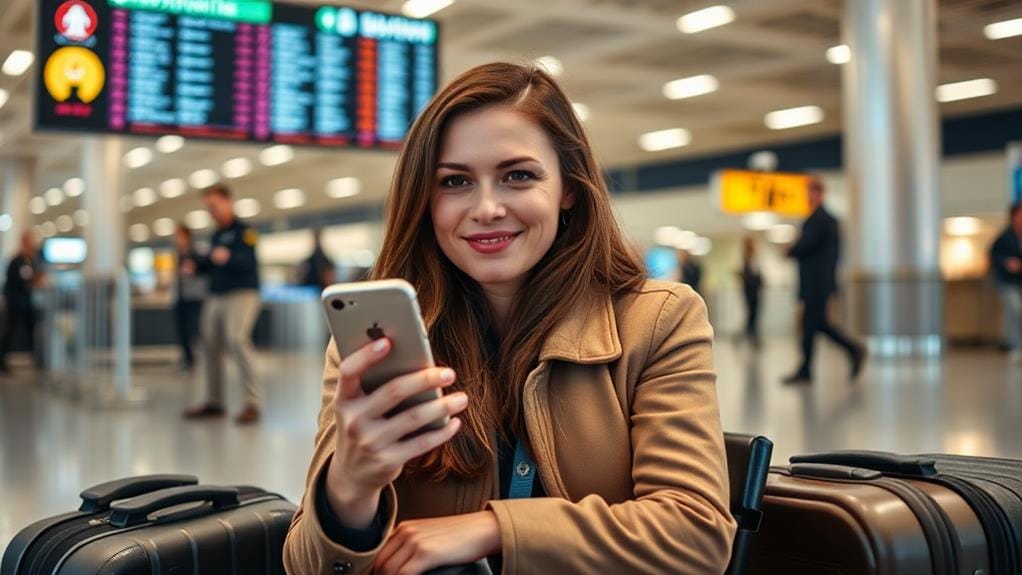
Share Itinerary Details
Sharing your itinerary with a trusted friend or family member is one of the simplest safety habits worth building, and it’s the one I recommend most to anyone heading out alone for the first time. Send them your flight details, accommodation address, and general plans before you go, and let them know if plans change significantly along the way.
A few things that help keep everyone at ease without being a burden:
- Set up a rough check-in schedule — a text or call at agreed times works fine
- Sign up for any government traveler alert services available to you
- Keep your itinerary loosely flexible, but keep your communication consistent
Use Location-Tracking Tools
Location-sharing features built into common mapping apps or dedicated safety apps let a trusted contact see your general location in real time, which adds a layer of reassurance for both of you without requiring constant check-ins. Most of these let you control exactly who can see your location and for how long.
Updating your location periodically, or just sending a quick message that you’re safe, is a small habit that goes a long way for the people worrying about you back home, without interrupting your trip much at all.
Choose Accommodations Wisely
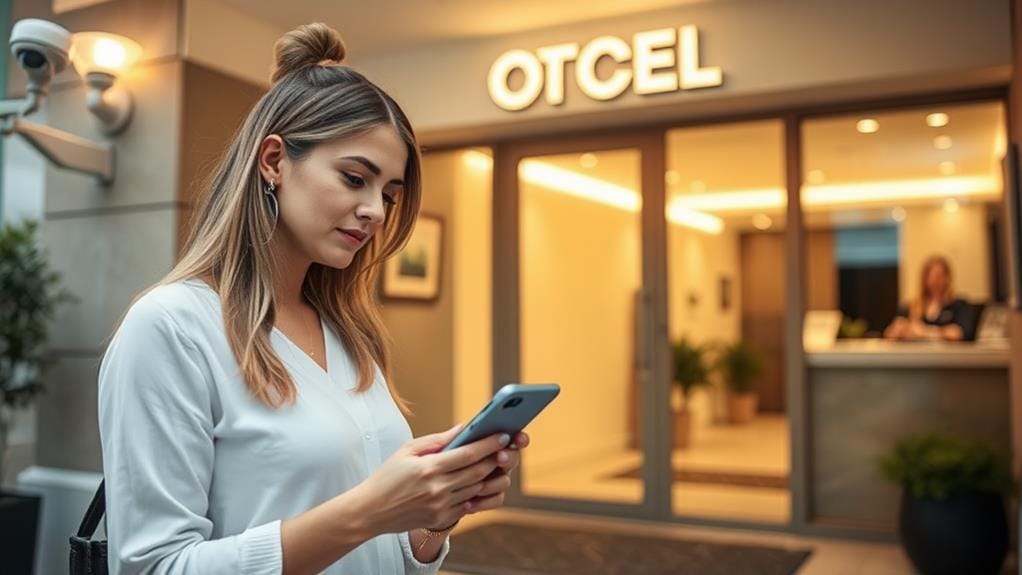
Reading reviews specifically from other solo female travelers is one of the more useful ways to gauge whether a place is actually comfortable and safe, beyond the general star rating. Look for accommodation in well-lit, populated areas, ideally with some kind of front desk or security presence, especially if you’ll be arriving or leaving at night.
A few things worth checking before booking:
- Female-only dorms or floors, if the hostel offers them and that appeals to you
- Whether the extra cost of a more secure option is worth it for your peace of mind
- Booking through platforms that let you filter or search by safety-related reviews
Be Aware of Your Surroundings
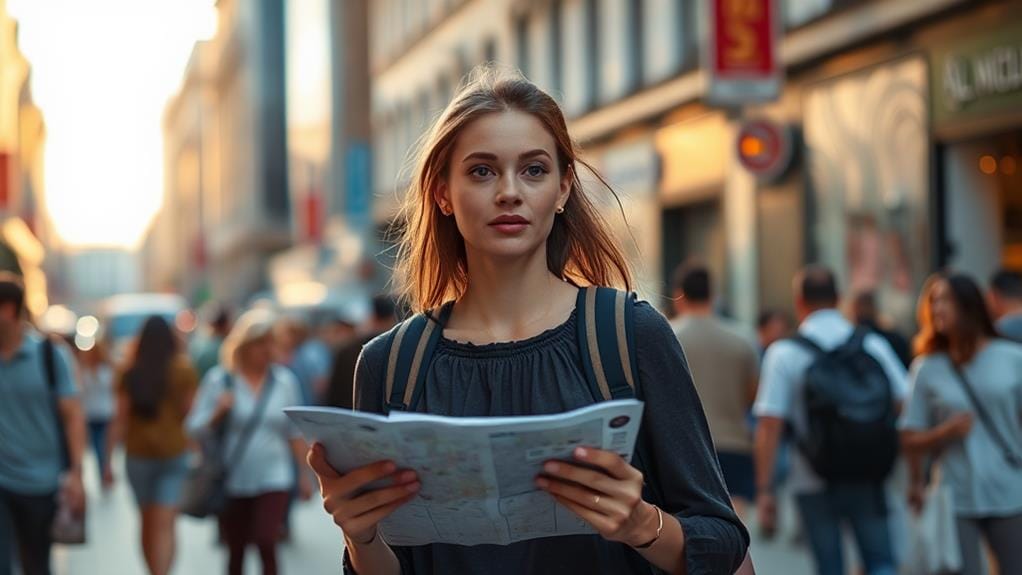
Basic situational awareness goes a long way: keep your head up, notice who’s around you, and trust your gut if something feels off. If a street or situation makes you uncomfortable, there’s no downside to changing direction or stepping into a shop until it passes — I’ve done it myself more than once and never once regretted the minor inconvenience.
It’s easy to get absorbed in your phone while walking, but that’s exactly when you’re least aware of your surroundings, so it’s worth saving map-checking for a moment when you’ve stepped somewhere safe to pause. Walking with confidence and general purpose, rather than looking visibly lost, tends to draw less unwanted attention.
| Helpful habit | Worth avoiding |
|---|---|
| Trusting your instincts | Ignoring a feeling that something’s off |
| Staying aware of your surroundings | Being absorbed in your phone while walking |
| Walking with purpose | Looking obviously lost or hesitant |
| Sticking to well-lit, populated areas | Wandering isolated routes at night |
Use Transportation Safely

Rideshare and taxi-hailing apps are generally a safer bet than hailing a random taxi off the street, since you can verify the driver and car details before getting in, and there’s a digital record of the trip. It’s worth double-checking the license plate and driver name match what the app shows before you get in.
If you’re using public transit at night, a few habits help: travel with a companion if you can, stick to well-lit stops and stations, and keep your bag or belongings close and zipped. Anti-theft bags and money belts are worth considering if you’ll be in crowded areas often, since they make pickpocketing meaningfully harder.
Knowing your route and general options ahead of time — rather than figuring it out on the fly — helps you move through a city with more confidence and less obvious hesitation.
Protect Your Belongings
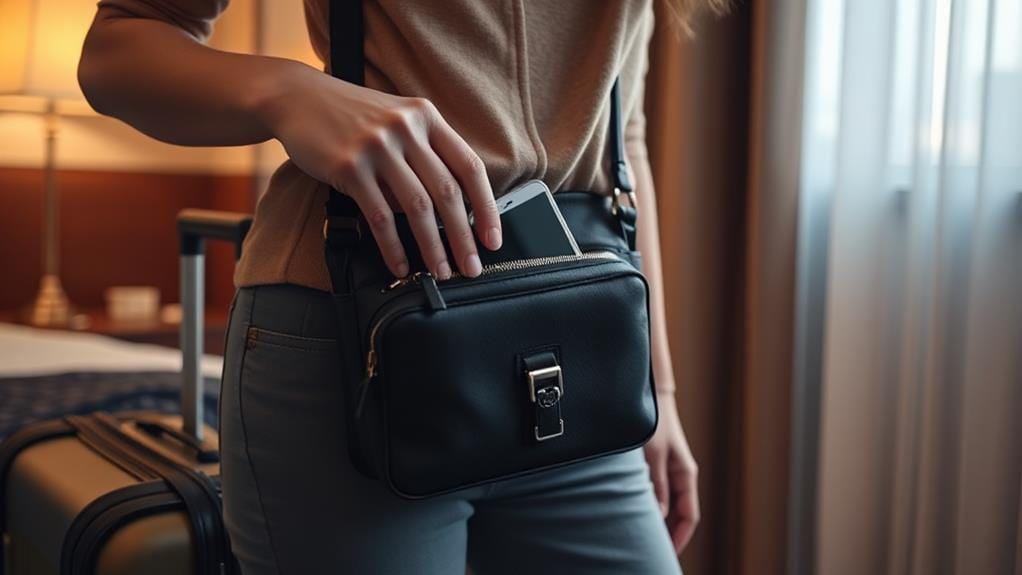
An anti-theft bag with lockable zippers and cut-resistant straps makes a real difference in crowded tourist areas where pickpocketing is common. It’s also worth spreading cash and cards across a couple of different spots — your main bag, a hidden pocket, maybe a small amount somewhere else entirely — so a single theft doesn’t leave you with nothing.
| Item | Where to store | Why |
|---|---|---|
| Passport | Money belt or hotel safe | Reduces visibility and loss risk |
| Cash | Split across a couple of spots | Limits loss if one spot is compromised |
| Cards | RFID-blocking wallet | Helps prevent electronic skimming |
Trust Your Instincts
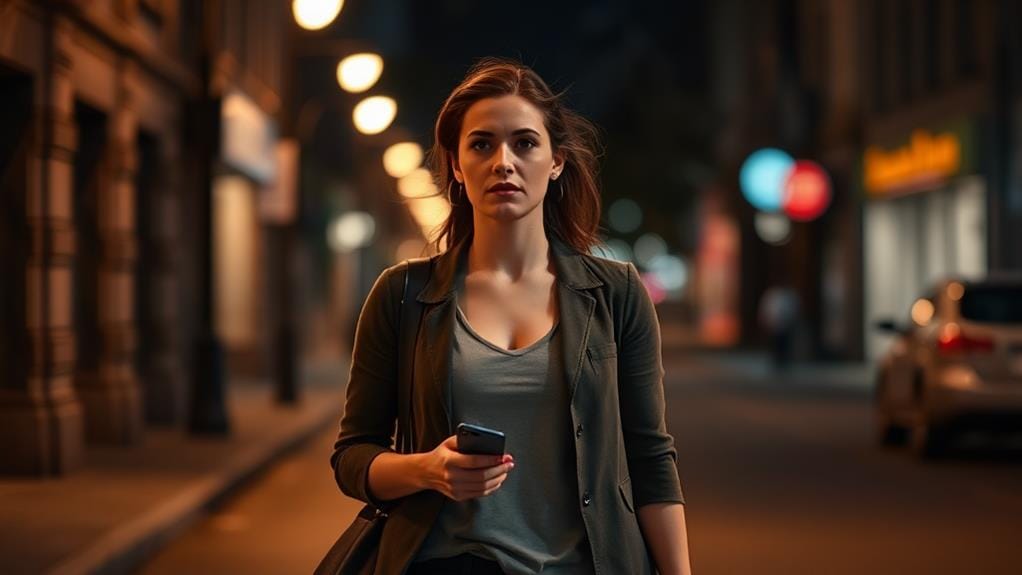
Listen to Gut Feelings
If a situation feels off, it’s worth acting on that feeling rather than second-guessing it out of politeness. This isn’t unique to solo female travelers, but it matters more when you don’t have a companion to consult in the moment. A few habits help:
- Assess your surroundings and pay attention to how you’re feeling about them
- If something feels wrong, remove yourself from the situation without waiting to be sure
- Head toward a public, well-lit place or ask for help if you’re uncomfortable
Act on Warning Signs
Discomfort, unease, or a sense that something doesn’t add up are all worth taking seriously rather than dismissing. A quick reference for common situations:
| Feeling | Reasonable response |
|---|---|
| General unease | Change your route |
| Discomfort with a person or situation | Seek help or a public space |
| Suspicion something’s off | Stay alert, don’t ignore it |
| Clear danger | Leave the area immediately |
Blend in With Local Customs
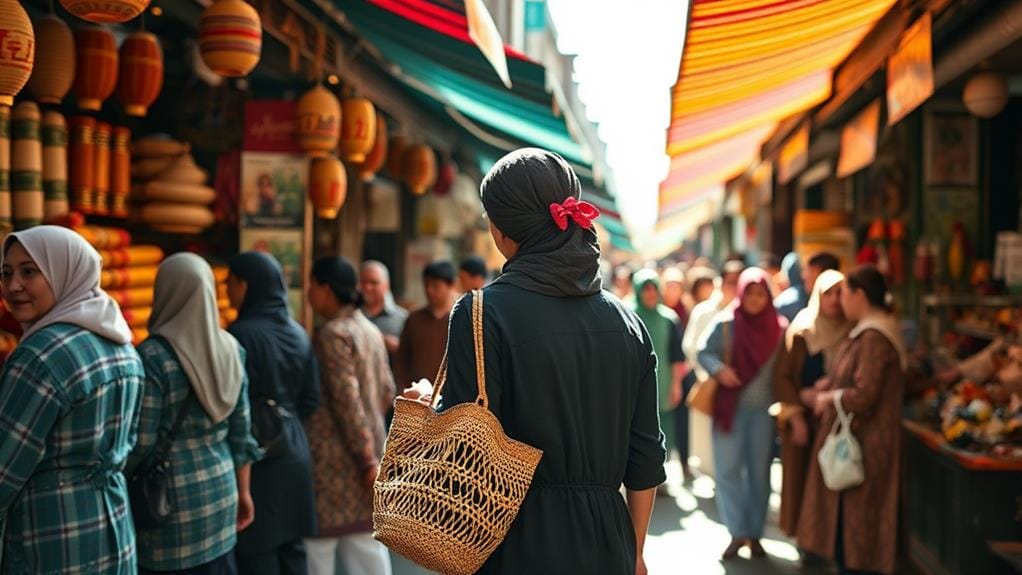
Dressing in a way that fits local norms, without necessarily abandoning your own style, tends to reduce unwanted attention in a lot of destinations. A short checklist worth going through before a trip:
- Research typical dress norms for the region and pack accordingly
- Observe how local women dress and carry themselves once you arrive
- Learn a handful of basic phrases in the local language — it helps in small interactions and can shift how you’re perceived
Frequently Asked Questions
How Do You Protect Yourself as a Woman Traveling Alone?
Research your destination ahead of time, keep a trusted contact updated on your plans, choose accommodation carefully, and trust your instincts if a situation feels wrong. Basic awareness of your surroundings covers most of the rest.
What Precautions Must a Girl Take While Travelling Alone?
Research local customs and safety conditions, pack thoughtfully, keep emergency contacts accessible, and stay aware of your surroundings. None of this should be a source of anxiety — it’s just reasonable preparation.
Where Is the Safest Place for Women to Travel Alone?
Destinations with low crime rates and established solo-travel infrastructure are commonly recommended for first-time solo female travelers, though plenty of other destinations are perfectly safe with reasonable precautions. Check current, destination-specific safety guidance rather than relying on a fixed list.
How to Do Solo Travel as a Woman?
Research your destination, pack thoughtfully, budget realistically, and stay open to connecting with locals and other travelers along the way. Preparation matters, but so does being willing to actually enjoy the trip once you’re there.

 By
By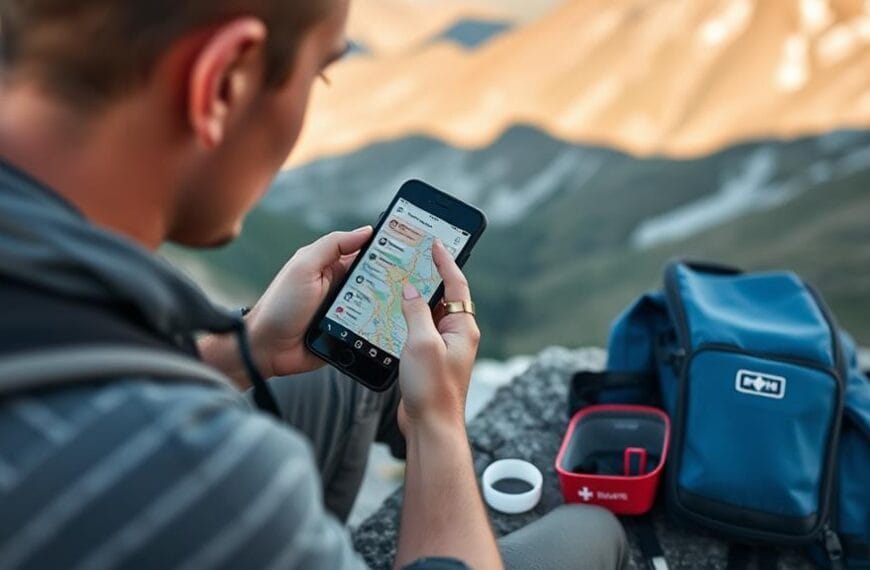

 By
By