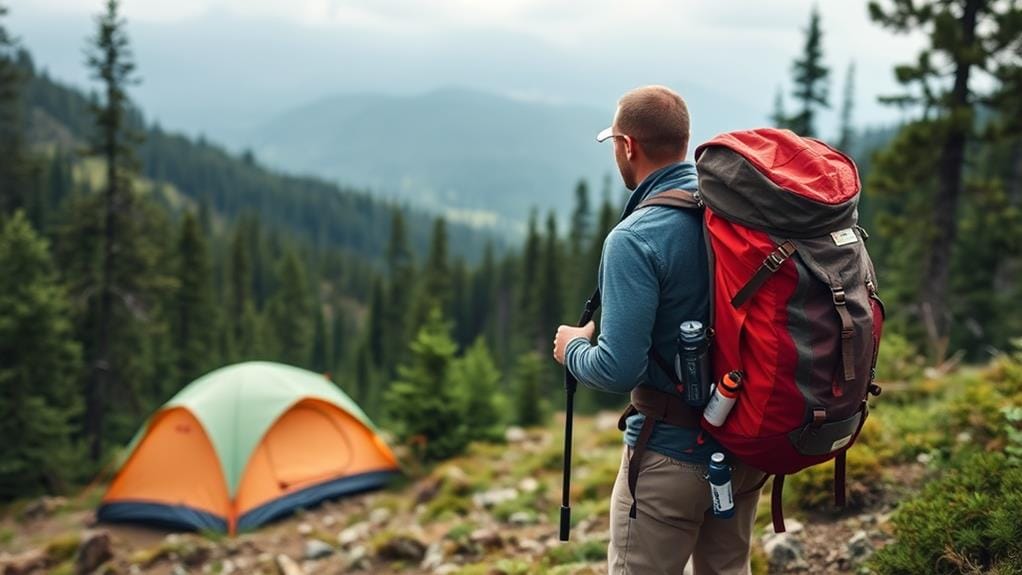

Solo backpacking is safe for most trips with a bit of preparation, and after years of guiding solo hikers through unfamiliar terrain, the pattern I keep seeing is that the people who get into real trouble are almost never the ones who over-prepared. Plan your route carefully, share your itinerary with someone you trust, pack the basics for emergencies, and stay aware of your surroundings once you’re out there. None of this should discourage you from going — it just means fewer surprises along the way.
Plan Your Solo Backpacking Route Thoroughly
Before setting out, check current trail conditions and weather forecasts rather than relying on outdated information. If you’re newer to solo backpacking, sticking to well-marked, popular trails for your first few trips is a reasonable way to build confidence before tackling something more remote — there’s no shame in it, and I’d rather see someone build up slowly than get in over their head on trip one.
Put together a detailed itinerary — your route, expected return time, and emergency contacts — and share it with someone you trust before you leave. Think through backup options for camping spots or alternate routes in case weather or trail conditions change. Carrying both a paper map and a downloaded digital map is worth the small extra effort, since phone batteries and signal aren’t guaranteed, and I’ve learned that the hard way more than once.
Share Your Itinerary
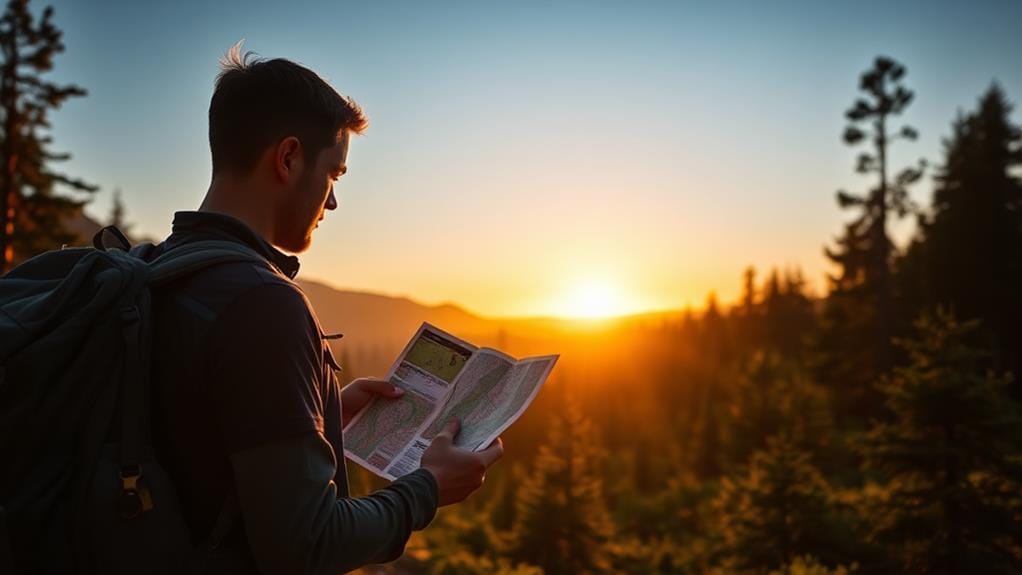
Sharing your itinerary with a trusted friend or family member is one of the simplest and most effective safety steps you can take. Give them your planned route, campsite locations, expected return time, emergency contacts, and basic gear details.
If your plans change significantly along the way, update that contact person so their information stays accurate. A few extra steps worth considering:
- Register your itinerary with a local ranger station if one is available
- Use a real-time location-sharing app so your contact can check in without you needing to call
- Leave a copy of your trip plan in your car at the trailhead
- Agree on check-in times so a missed check-in has a clear meaning
Pack Essential Safety Gear
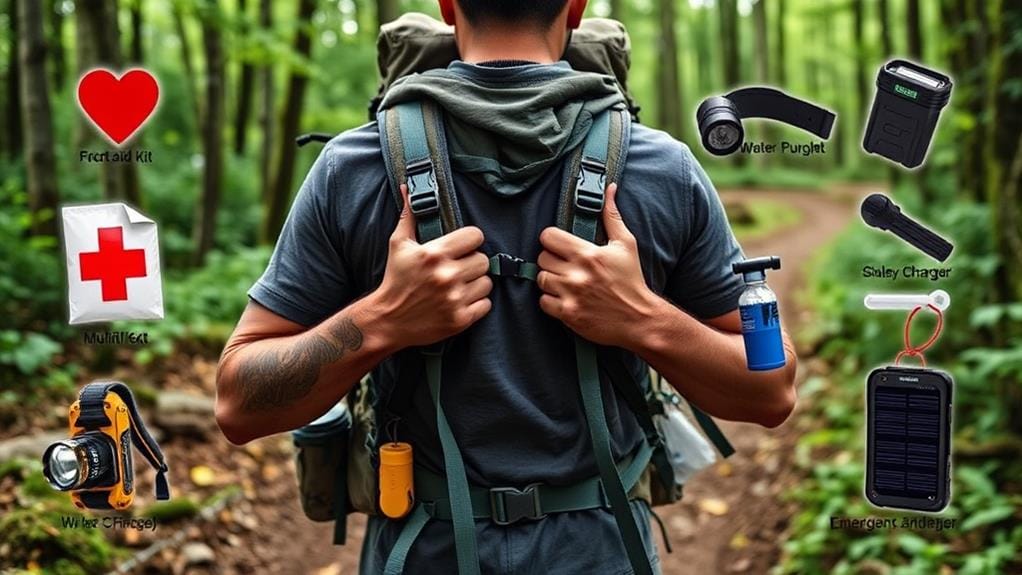
Ten Essentials Kit
The classic “ten essentials” list is a good baseline for any backpacking trip, solo or otherwise:
- Navigation tools — a map and compass, plus a charged phone or GPS device as backup
- Illumination — a headlamp or flashlight with spare batteries
- Shelter — a lightweight tent, tarp, or emergency bivvy
- A first aid kit stocked for common trail injuries
Beyond that: extra food and water, layered clothing for changing weather, sun protection, and a multi-tool or knife, which comes in handy more often than you’d expect.
Emergency Communication Devices
A personal locator beacon or satellite messenger is worth the investment for remote trips where cell service isn’t reliable. These devices can send an SOS signal with your location even with no cell coverage at all.
Learn how to use your device before you’re relying on it in an actual emergency — sending an SOS or a routine check-in message should be familiar, not something you’re figuring out under stress. Keep it charged, and pack a small power bank as backup. Location-sharing apps are a reasonable supplement too, letting trusted contacts follow your general progress.
First Aid Preparedness
A well-stocked, easily accessible first aid kit matters more the farther you are from help. At minimum: bandages, antiseptic wipes, pain relievers, any personal medications you need, and supplies for blisters, which are one of the most common trail injuries and the one I still see catch experienced hikers off guard.
It’s worth learning some basic wilderness first aid before you go — knowing how to treat a sprain, recognize early signs of hypothermia, or manage a cut properly makes a real difference when you’re hours from the nearest road.
Stay Connected With Technology
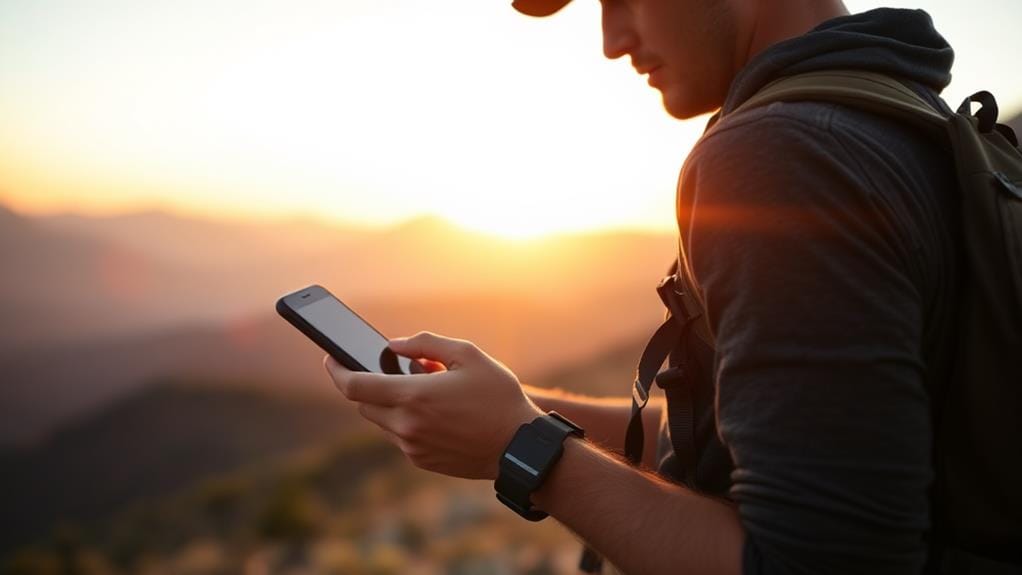
Satellite Messengers for Emergency
A satellite messenger is genuinely useful for solo trips into areas without reliable cell coverage. If something goes wrong — an injury, a sudden weather event, an unexpected wildlife encounter — the SOS feature can alert emergency services and share your location even from remote terrain. Many also support basic two-way messaging so you can update contacts without needing full cell service.
GPS Navigation Tools
Handheld GPS devices and smartphone apps both offer detailed maps and route tracking, though they have different trade-offs — dedicated GPS units tend to have longer battery life and more rugged builds, while phone apps are more multi-purpose but drain battery faster. A personal locator beacon is worth carrying regardless, as a dedicated emergency option separate from your primary navigation tool.
Whatever you use, get familiar with it before you’re on the trail, and download offline maps for your route in case you lose signal.
Power Banks Essential
A lightweight, reasonably high-capacity power bank keeps your phone, GPS, and headlamp running through a multi-day trip. Solar-powered options are worth considering for longer treks where charging opportunities are rare. Whatever you bring, start the trip with it fully charged — it’s your backup for both navigation and emergencies.
Trust Your Instincts
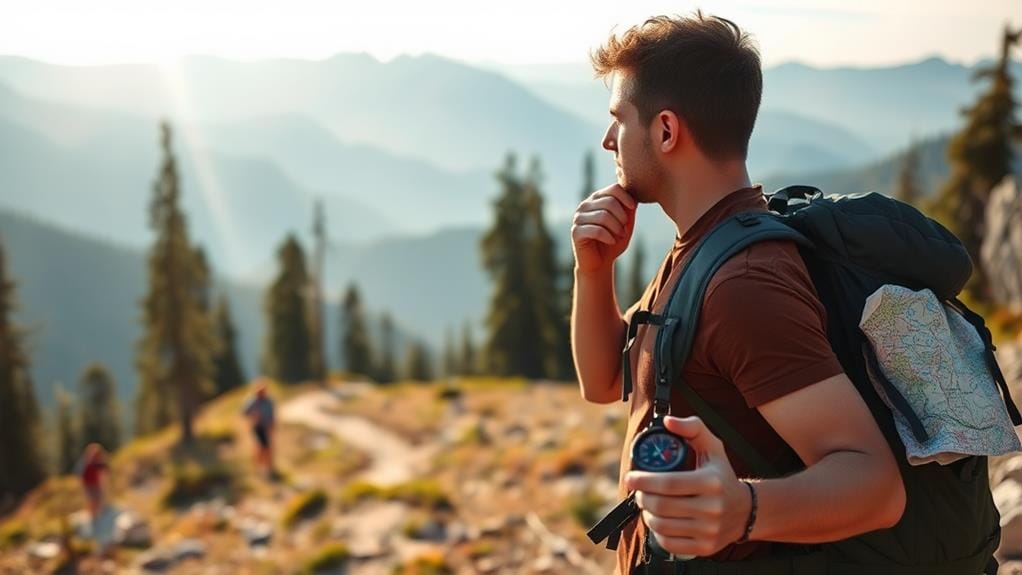
If something feels off on the trail — an unusual silence, a shift in weather, an uneasy feeling about a person or place — it’s worth paying attention rather than dismissing it. Staying aware of your surroundings, noticing wildlife behavior and environmental changes, helps you catch problems early.
If you feel unsafe, changing your plans is always a reasonable choice, even if it means cutting a trip short. Learning to recognize common warning signs — sudden weather shifts, unusual animal behavior — makes it easier to trust your read on a situation.
Practice Situational Awareness
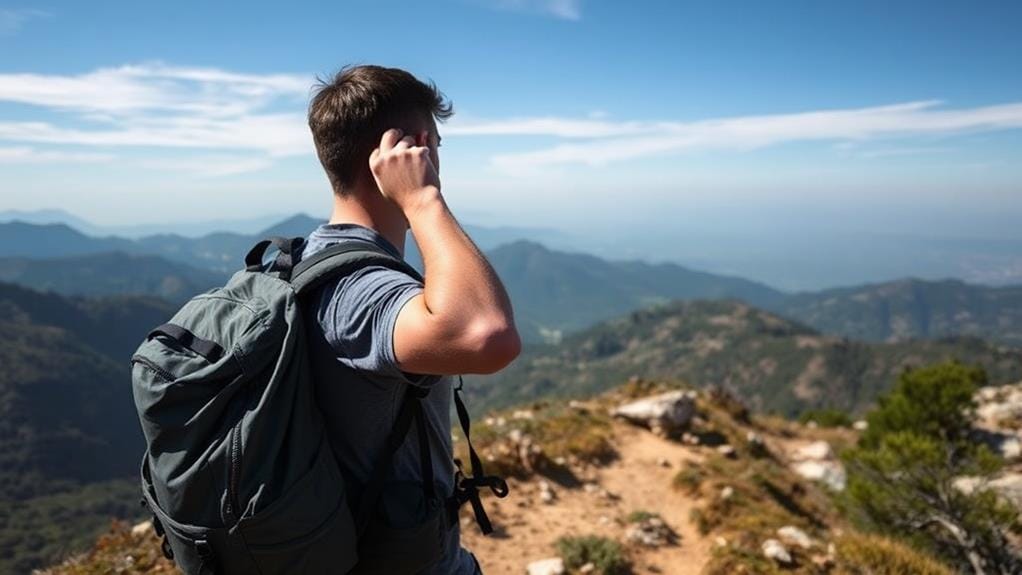
Staying alert to your surroundings is one of the simplest ongoing safety habits on a solo trip. A few things worth building into habit:
- Regularly scan your surroundings rather than staring only at the trail in front of you
- Listen for sounds that might signal wildlife or changing conditions
- Notice shifts in wind or weather that could mean a storm is coming
- Pay attention to changes in air quality or humidity that might signal a shift in conditions
Master Basic Survival Skills
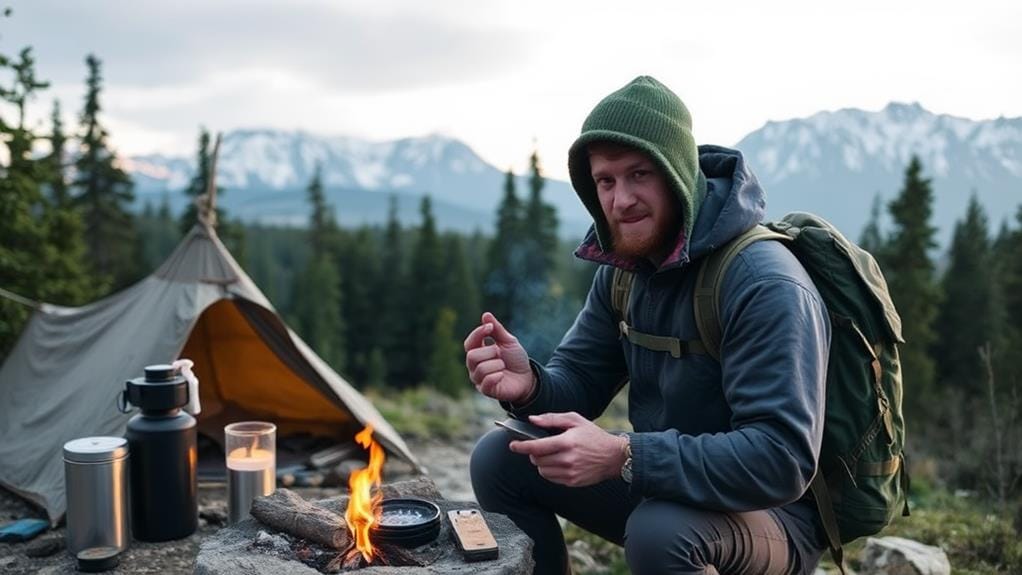
A working knowledge of a few core skills goes a long way toward handling problems yourself rather than needing rescue. Start with the ten essentials as your baseline gear, then build basic first aid knowledge — treating cuts, recognizing hypothermia, managing blisters.
Navigation with a map and compass is worth practicing even if you usually rely on GPS, since it’s the fallback when batteries die. A little knowledge of local wildlife safety — how to store food properly, what to do if you encounter larger animals — matters depending on where you’re hiking. And basic fire-building skills, while mostly for comfort, can matter for warmth in an unplanned overnight situation.
Maintain Physical and Mental Health
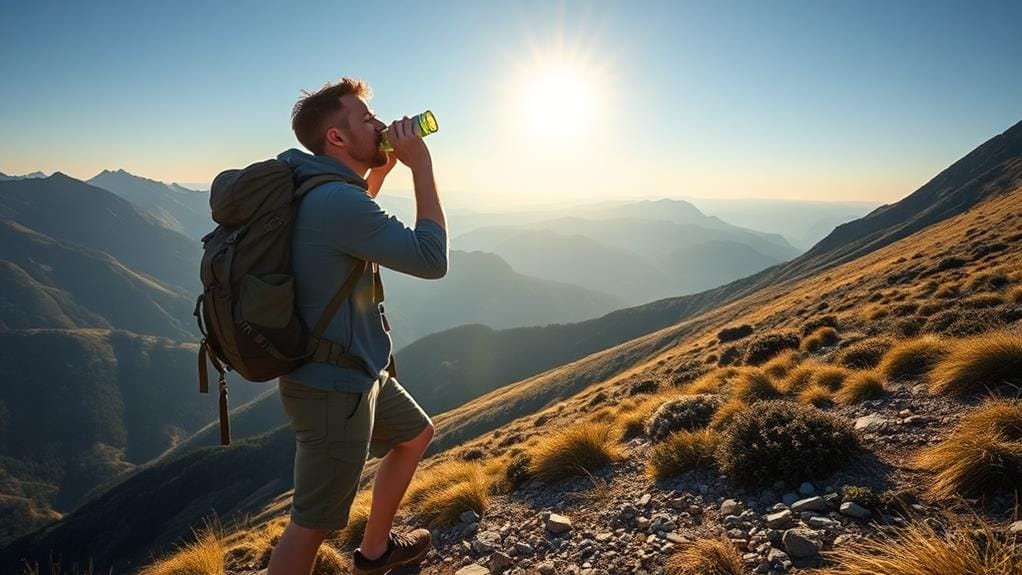
Being in reasonable physical shape before a trip reduces your risk of injury and fatigue-related mistakes on the trail. Some general habits worth building in beforehand:
- Regular cardio and strength training in the weeks leading up to a trip builds the stamina longer hikes require
- Some familiarity with solitude — through meditation, journaling, or just quiet time — helps mentally prepare for extended time alone
- Staying well-hydrated in the days before a trip, not just during it
- Getting enough sleep beforehand, since fatigue affects decision-making more than people expect
Frequently Asked Questions
How to Backpack Solo Safely?
Choose appropriate gear, plan your route in detail, and keep an emergency contact informed of your plans. Check local regulations and weather, build basic navigation skills, and choose campsites with safety in mind.
How to Be Safe as a Solo Hiker?
Master basic trail navigation, keep someone informed of your plans, choose the right gear for conditions, and learn basic first aid. Store food properly for wildlife safety, and carry a reliable communication device.
Is It a Good Idea to Backpack Solo?
For most people with reasonable preparation, yes. It offers real personal growth and a different kind of connection with nature, though it’s worth building up to longer or more remote solo trips gradually rather than starting with the most ambitious route you can find.
Is It Safe to Go Backpacking Alone as a Woman?
Generally yes, with the same preparation any solo hiker should do — route planning, a shared itinerary, situational awareness, and basic self-defense knowledge if that’s of interest. Many women backpack solo safely and regularly.

 By
By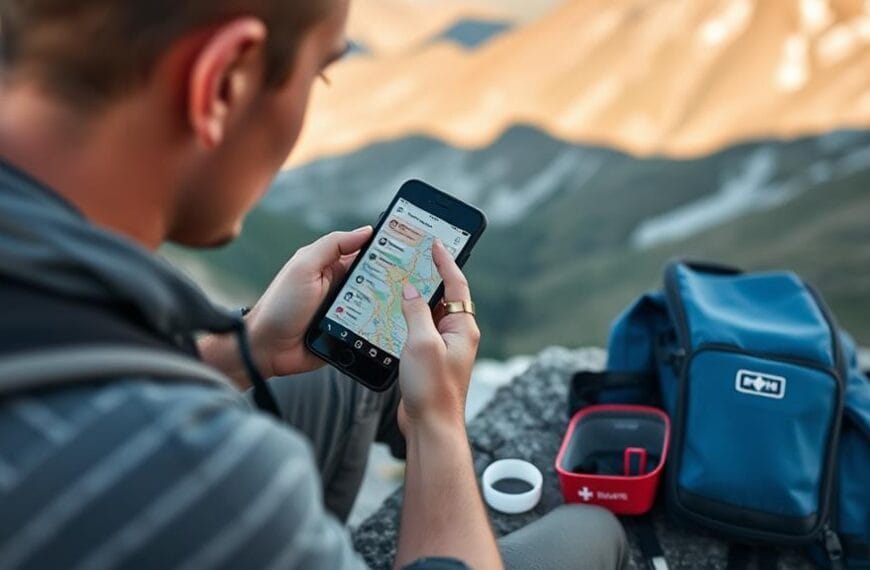


 By
By