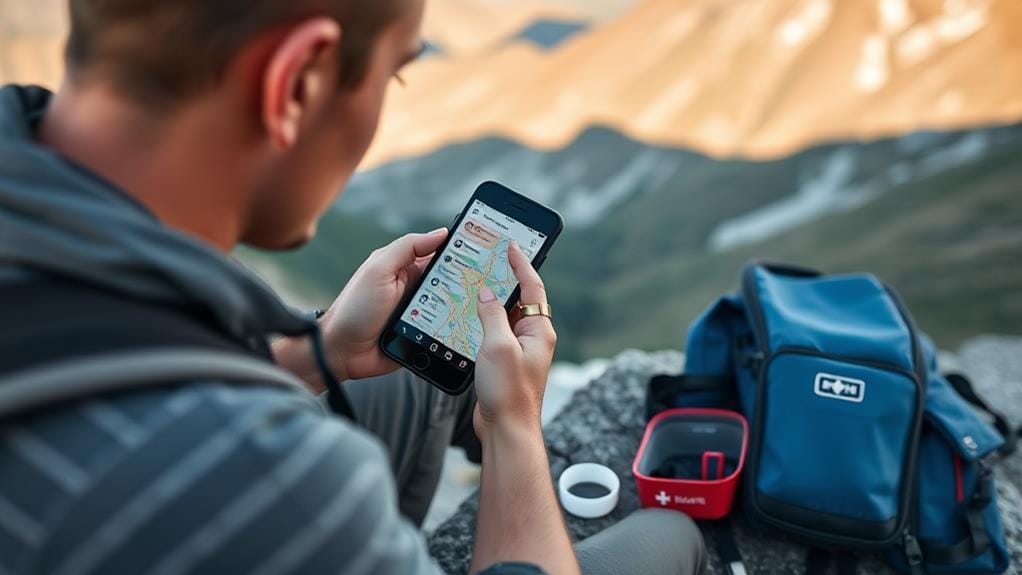

Emergency contacts matter more when you’re traveling solo, since there’s no one else on the trip to handle things if something goes wrong. A good contact list, a shared itinerary, regular check-ins, and a physical backup of key information cover most of what you’d actually need in an emergency abroad — the kind of preparation I wish more first-time solo travelers took seriously before, not after, something happens.
Create a Comprehensive Emergency Contact List
Before you travel, put together a list that covers the basics: local emergency service numbers for your destination (they’re not the same everywhere), the nearest hospital, and your embassy or consulate’s contact details. These are worth having on hand even if you never need them.
Add personal contacts too — people who’d actually be able to help if something happened, not just anyone in your phone. Since phones die or go missing, keep a physical copy of this list somewhere separate from your device. A few key phrases in the local language, like asking where the nearest hospital is, are worth learning too.
Share Your Itinerary
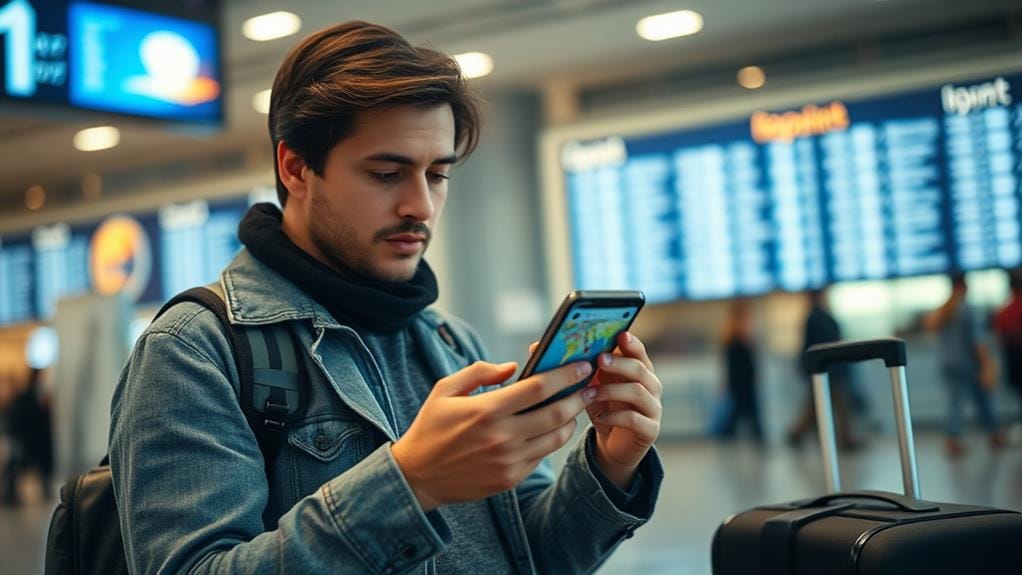
Share your travel plans — flights, accommodation, rough daily activities — with a trusted friend or family member before you go, and send updates if anything changes significantly. A simple table of what to share and how often helps keep this consistent:
| What to Share | With Whom | How Often |
|---|---|---|
| Full itinerary | Trusted contact | Before departure |
| Check-ins | Emergency contact | Every day or two |
| Location updates | Location-sharing app | As needed |
| Change of plans | All relevant contacts | As they happen |
Use Location-Sharing Apps
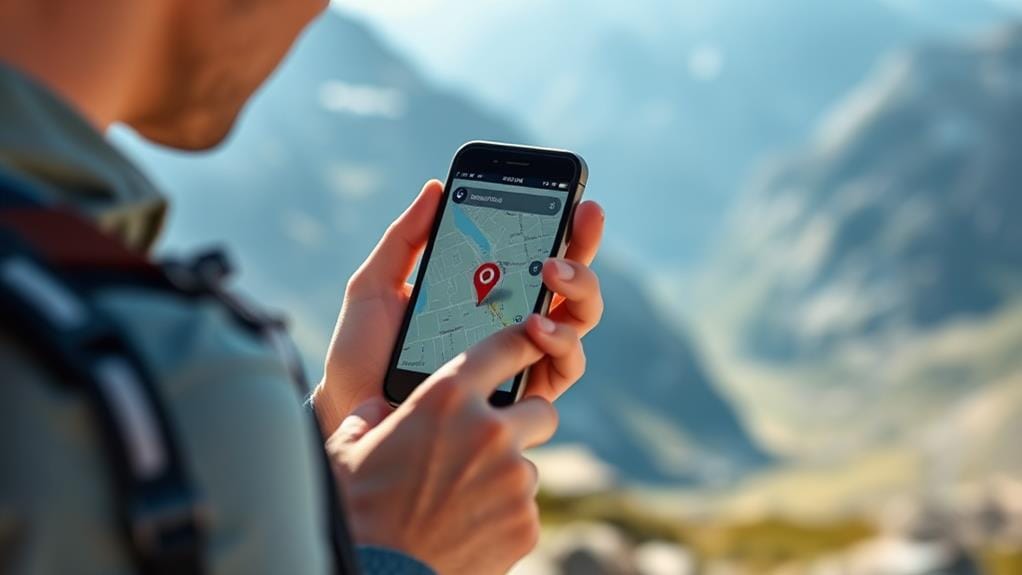
Real-Time Location Updates
Built-in location-sharing features on most smartphones, or dedicated family-safety apps, let a trusted contact see roughly where you are without you needing to constantly check in by text. This is especially useful if plans change last minute or you’re somewhere with unreliable phone signal.
Enhanced Safety Measures
Beyond basic tracking, many of these apps include features like geofencing alerts, notifying a contact if you leave an expected area, and check-in notifications, which add a layer of reassurance without requiring active effort on your part once they’re set up.
Easy Setup Process
Most smartphones have some form of location sharing built in already, so setup usually takes just a few minutes. Decide with your contact how long you’ll share your location for, and do a quick test before you leave to make sure it’s actually working as expected.
Carry Physical Backup Information
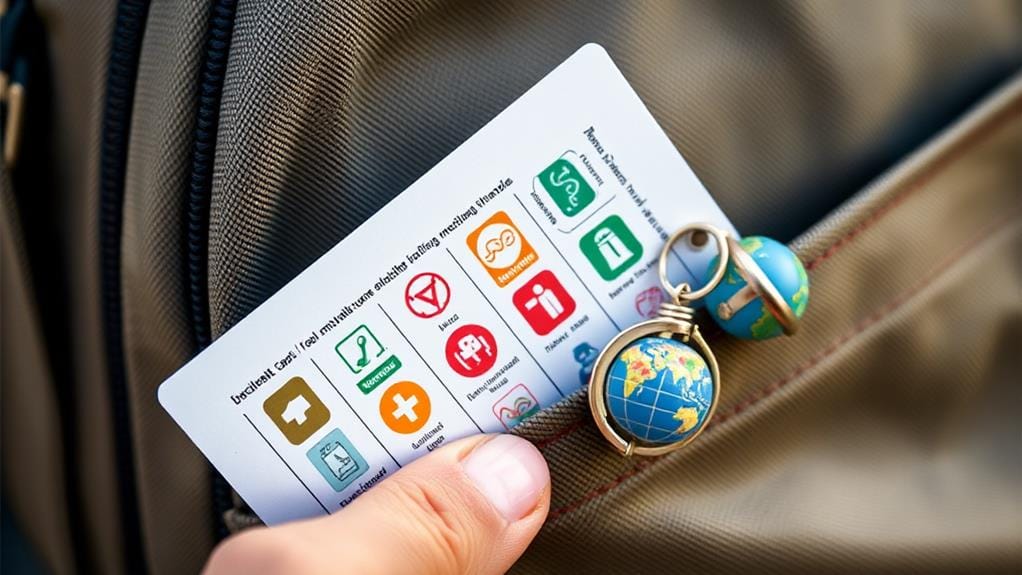
Phones die, get lost, or get stolen, so it’s worth having key information on paper too. A simple approach:
- Write out your emergency contacts in both your language and the local language, if different
- Keep your health insurance policy number and provider details on a separate card
- Carry a printed copy of your itinerary with accommodation addresses and contact numbers
- Store all of this somewhere separate from your phone, so a single loss doesn’t take everything with it
Update these physical copies if your plans change significantly partway through the trip.
Research Local Emergency Services
Emergency numbers for police, fire, and medical services vary by country, so it’s worth looking these up before you go rather than assuming they match what you’re used to at home. Note the location and contact information for the nearest hospital or clinic to wherever you’re staying.
Some countries offer dedicated tourist assistance lines separate from general emergency services — worth checking if your destination has one. Official government travel advisory sites and local tourism resources are generally reliable for this kind of practical, up-to-date information.
Establish Regular Check-In Times
Communicate Frequency Expectations
Agree on a rough check-in schedule with whoever’s tracking your trip before you leave — daily, every other day, weekly, whatever fits the length and nature of the trip. A consistent time and method reduces confusion:
- Agree on how often you’ll check in
- Pick a consistent time, accounting for time zone differences
- Decide on your preferred method — messaging app, call, or email
- Have a plan for what happens if you miss a scheduled check-in, so it doesn’t immediately mean panic
Choose Reliable Contact Methods
Secure messaging apps are generally a solid choice for regular check-ins, and it’s worth setting clear expectations around time zones so a check-in doesn’t turn into an unwanted middle-of-the-night call for someone back home. Sharing your itinerary ahead of time gives your contact context even between check-ins, and location-sharing features add a layer of reassurance without much extra effort.
Utilize Embassy Resources
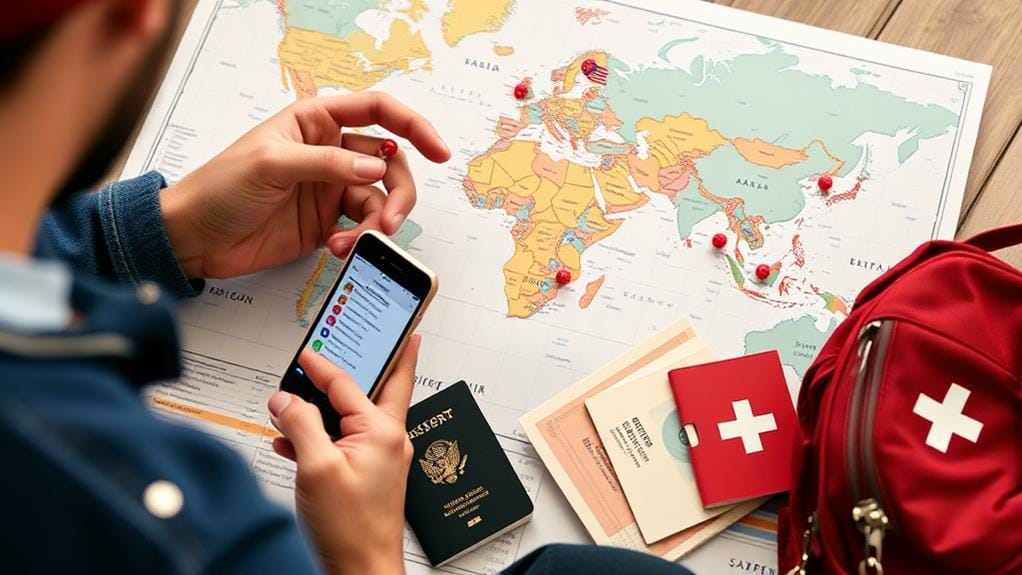
Your embassy or consulate is a genuine resource in a real emergency — a lost passport, a natural disaster, a serious legal or medical issue abroad. Before you travel:
- Register with your government’s traveler registration service, if one is available
- Note the embassy’s emergency contact number
- Know its general location in your destination
- Have a rough sense of what services it can and can’t help with
Set Up International Communication
Check with your mobile provider about international roaming options before you leave, since costs vary widely and a global plan might be worth it depending on your destination and trip length. A local SIM card is often the more affordable option once you land, provided your phone is unlocked and accessible.
Messaging apps that run over Wi-Fi or data help avoid international texting or calling charges. If you’re relying on public Wi-Fi, a VPN adds a reasonable layer of security for anything sensitive. And as covered above, keep your itinerary and plans shared with trusted contacts back home throughout the trip.
Frequently Asked Questions
How Do I Protect Myself When Traveling Alone?
Basic self-defense knowledge, appropriate safety gear, travel insurance, and a personal safety app for your destination all help. Staying aware of local customs and having reliable emergency communication set up covers the rest.
What Precautions Should Be Taken While Travelling Alone?
Download relevant safety apps, get travel insurance, respect local customs, and keep emergency numbers memorized or easily accessible. A basic first aid kit and a few essential items round out reasonable preparation.
How Do You Talk to People When Solo Travelling?
Apps designed for meeting travelers, joining group tours, and learning a few basic local phrases all make starting conversations easier. Language barriers are rarely as big an obstacle as they seem at first.
What to Do in an Emergency While Traveling?
Keep local emergency numbers handy, know the basics of local laws relevant to your situation, and have your travel insurance information accessible. A prepared emergency contact list and any relevant safety apps help you act quickly rather than scrambling.

 By
By


 By
By