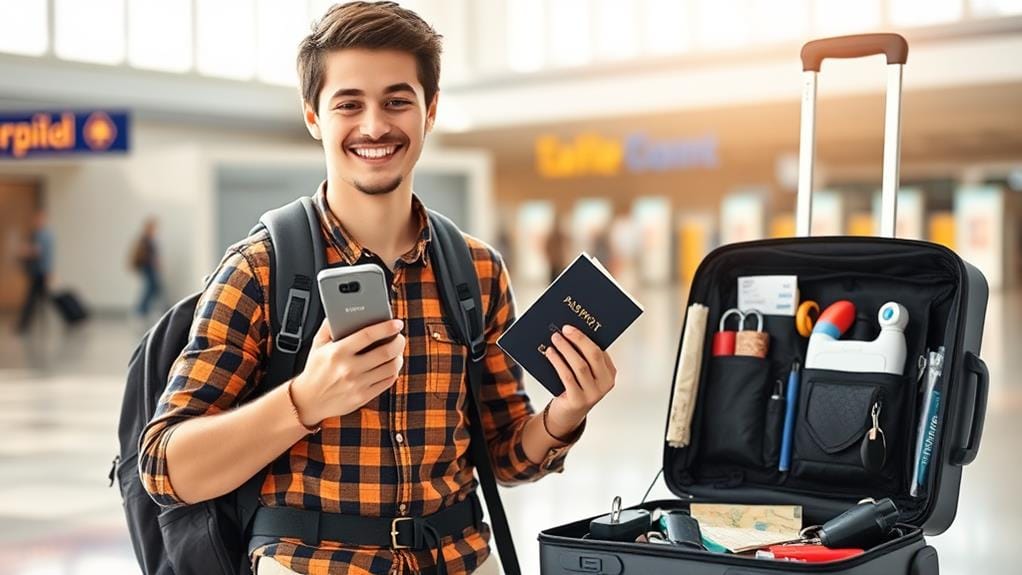

A first solo trip goes more smoothly with a few basics covered ahead of time: share your itinerary with someone you trust, agree on a communication routine, pack a small safety kit, and look into anything specific to your destination before you land. None of it takes long to set up, and it removes a lot of the low-level anxiety that comes with traveling alone for the first time — I still see the same nerves in first-timers year after year, and this is what actually settles them.
Share Your Itinerary Before Solo Travel
Sharing your itinerary with a friend or family member is a simple step that’s easy to skip in the excitement of planning a trip, but it makes a real difference if something unexpected happens. Send along your flight details, accommodation addresses, and rough plans before you leave, plus emergency contact numbers and any relevant embassy details for your destination.
If plans shift once you’re there, it’s worth sending a quick update rather than assuming it doesn’t matter. Agreeing on a loose check-in schedule beforehand — a text every couple of days, say — gives your contact a way to know things are fine without requiring constant updates from you.
Establish Communication Protocols
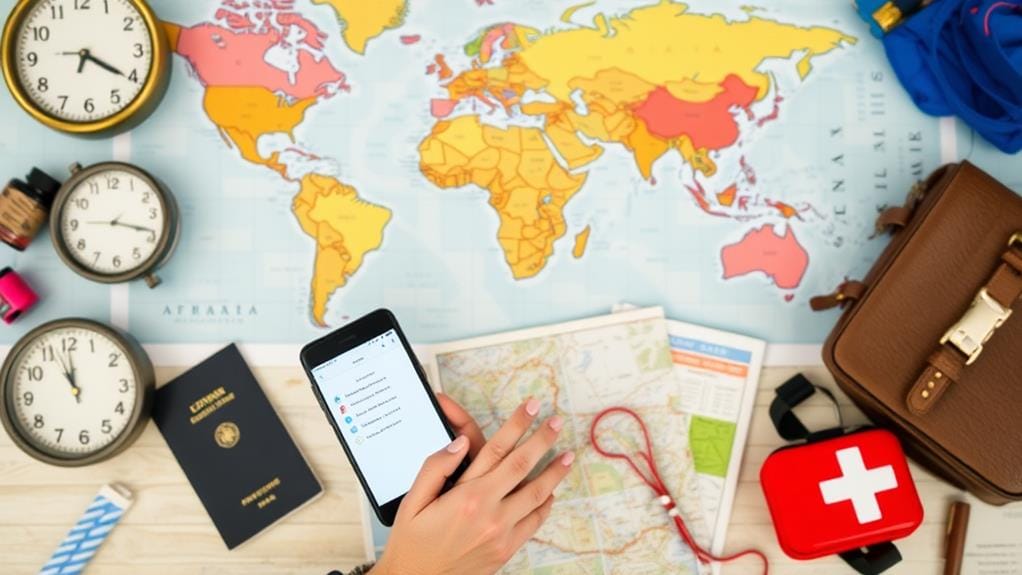
Beyond sharing your itinerary, it helps to agree on specifics with whoever’s checking in on you:
- A rough daily or every-other-day check-in schedule with a trusted contact
- A location-sharing app if that gives everyone more peace of mind
- A short list of emergency contacts, including local authorities and your embassy, kept somewhere easy to find
Pack Essential Safety Items
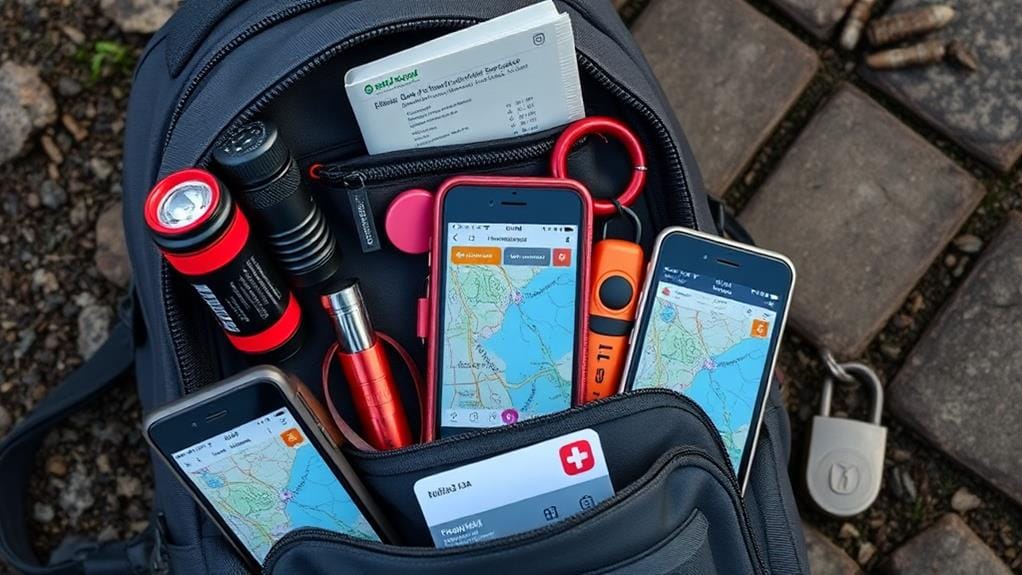
Travel-Sized First Aid Kit
A basic first aid kit covers most of what you’ll actually need on the road: adhesive bandages, antiseptic wipes, gauze, and medical tape for cuts and scrapes, plus a general pain reliever. Bring any personal prescription medications with a few days’ extra supply in case of delays.
A small pair of scissors and tweezers rounds out the basics, along with a thermometer if you want to track a fever, and allergy medication if that applies to you.
Portable Door Lock Device
A portable door lock is a small, inexpensive addition that adds a bit of extra security in unfamiliar accommodation, particularly hostels or budget stays where the standard lock might feel less reassuring. Most are compact, fit a wide range of door types, and some include a built-in alarm for extra peace of mind.
Research Destination-Specific Risks
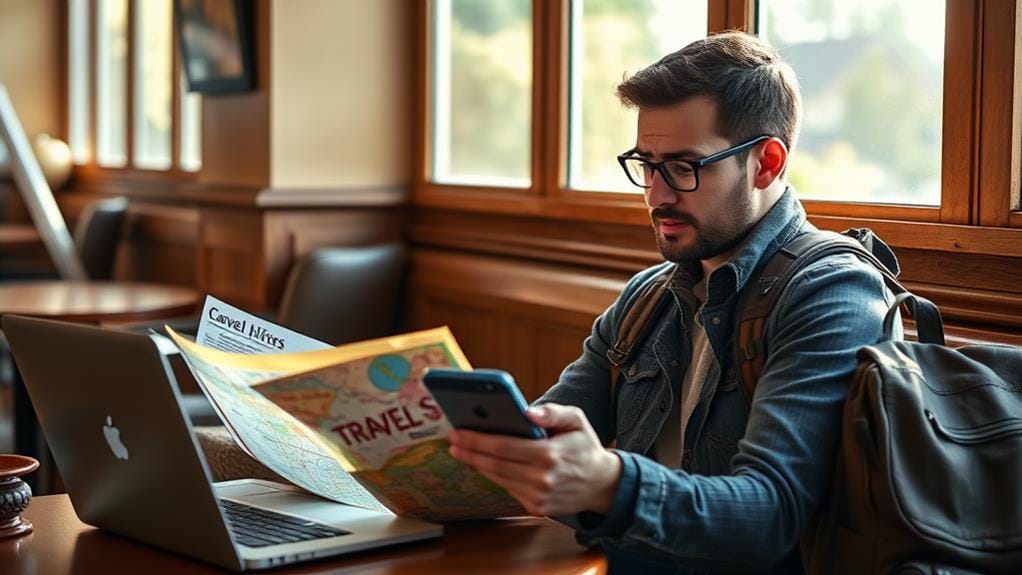
Before you go, it’s worth checking official government travel advisories and recent traveler forum posts for anything specific to your destination — common scams, areas best avoided at certain times, or health concerns worth knowing about. A few categories worth a quick look:
- Transportation safety, including whether certain routes or operators have known issues
- Health risks specific to the region, checked against current official health guidance rather than assumed
- Cultural norms worth knowing so you don’t unintentionally cause offense
Secure Your Belongings
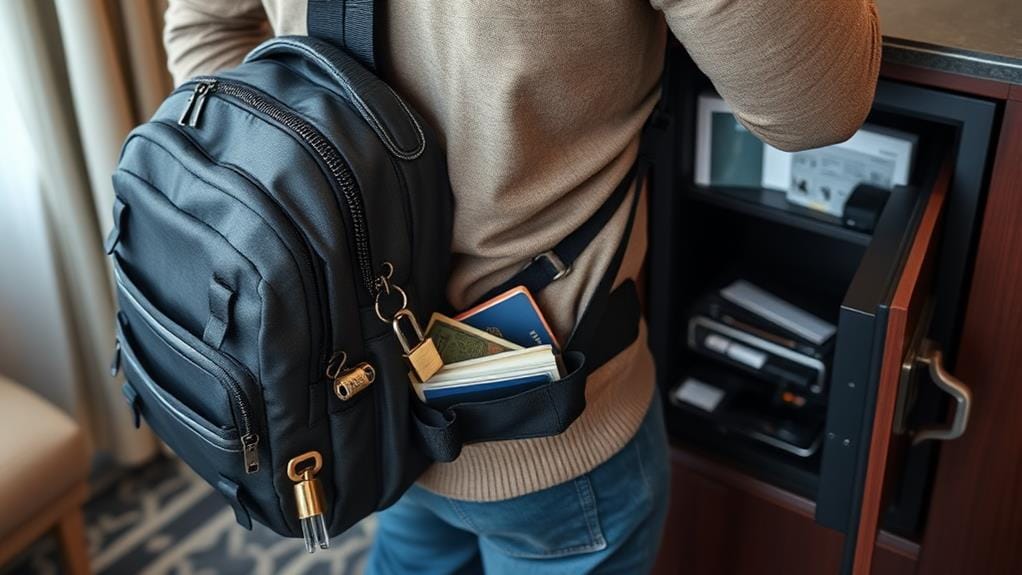
Packing light and carrying only what you actually need day to day — phone, a card or two, a bit of cash — reduces both the hassle and the risk if something is lost or stolen. Anti-theft bags with lockable zippers and RFID-blocking pockets add a meaningful layer of protection.
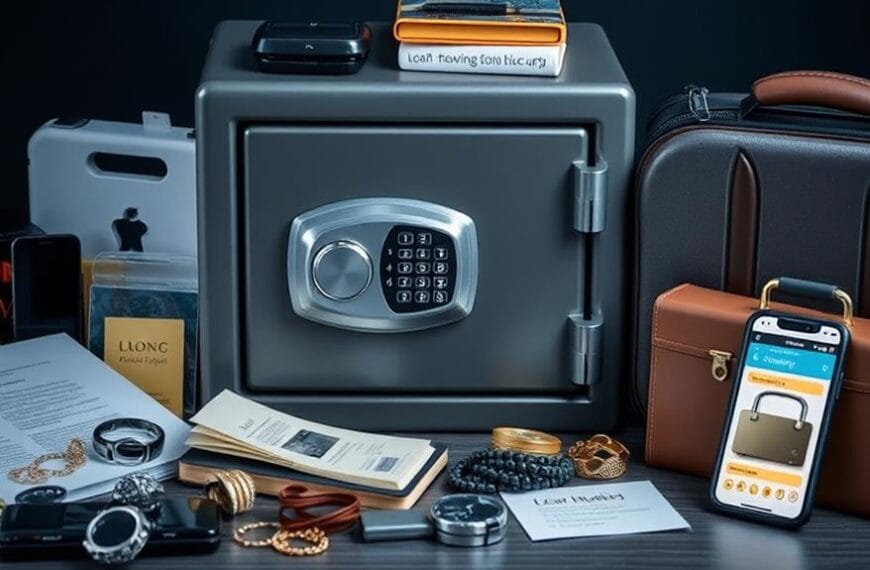
Splitting cash across a couple of spots rather than keeping it all in one place limits how much you’d lose to a single theft. Keep bags close and zipped on crowded public transport, and use the hotel safe for anything you’re not carrying that day, including spare cash and important documents.
Trust Your Instincts
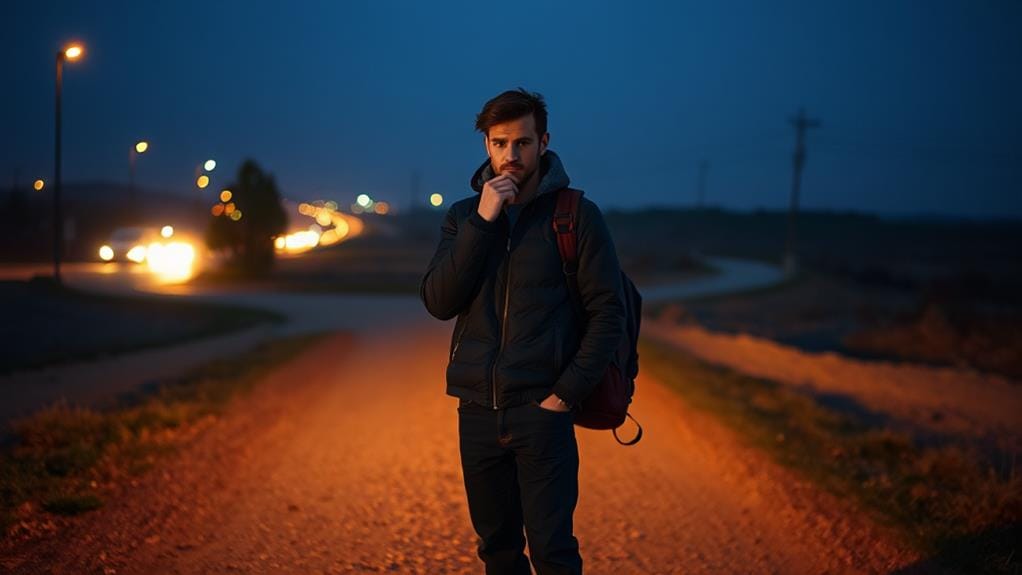
Your gut reaction to an unfamiliar situation is generally worth listening to, even when you can’t immediately explain why something feels off. A few habits that sharpen this over time:
- Spend some time simply observing your surroundings in public spaces — it builds a better sense of what’s normal versus unusual
- Read up on local customs before you arrive, so you can more easily spot something that seems out of place
- Keep a travel journal, which can help you notice patterns in what made you uneasy and why
Learn Basic Self-Defense Techniques

A basic self-defense class before a big trip is worth the time investment, both for the practical skills and for the confidence it builds. Beyond physical technique, projecting confident body language and making eye contact tends to reduce the odds of being targeted in the first place.
Carrying a personal alarm, where legal at your destination, is a reasonable extra layer, though it’s worth practicing with it beforehand so it’s not unfamiliar in an actual moment of need. Always check what’s legal to carry before you travel, since rules on personal safety items vary a great deal by country.
Plan Safe Transportation Options
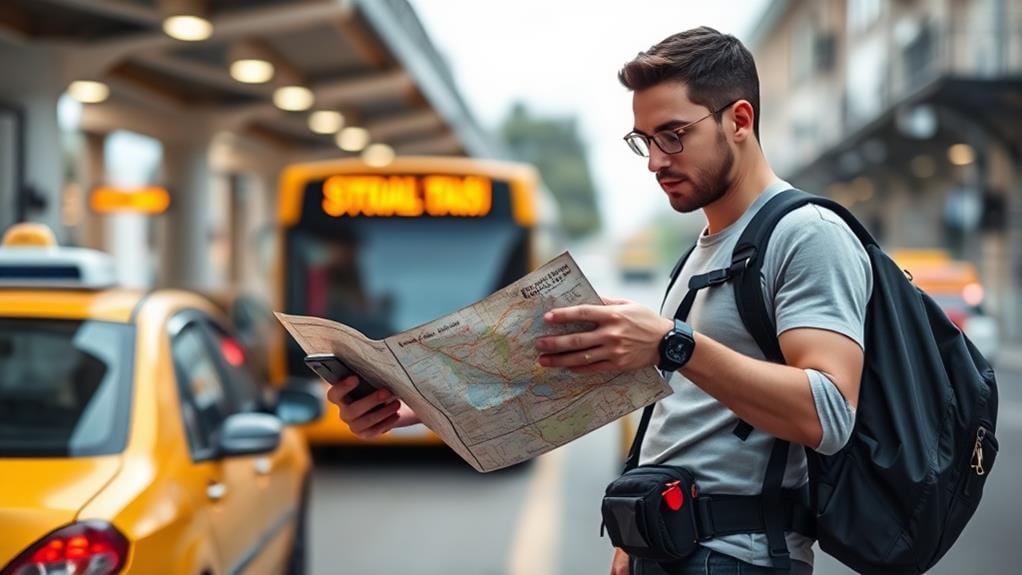
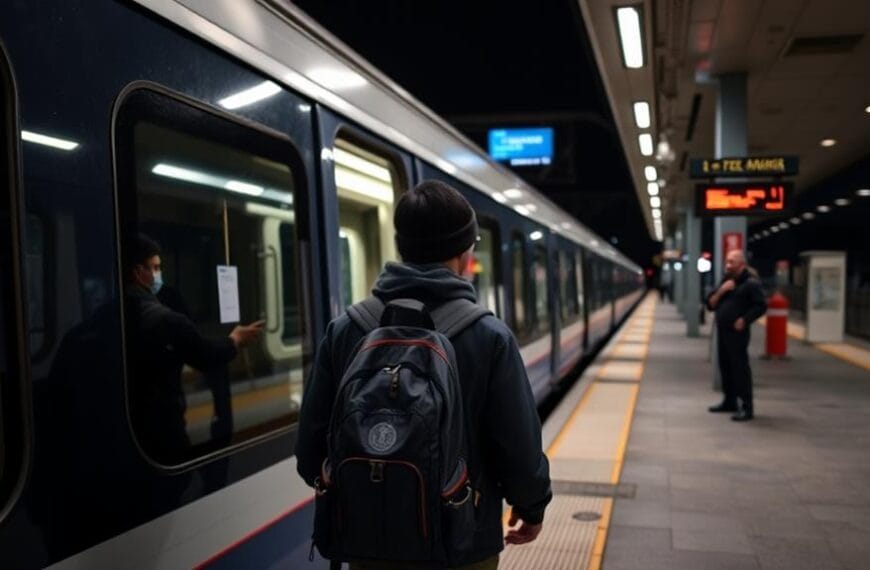
Researching and, where possible, pre-booking transportation from the airport removes one of the more stressful parts of arriving somewhere new and disoriented. Reputable rideshare or taxi services are generally a safer bet than an unmarked car.
Local public transit is often the cheapest and most authentic way to get around once you’re settled in, but a few habits help regardless of how you’re getting around:
- Confirm the driver’s identity and license plate before getting into any taxi or rideshare
- Stick to transportation modes that locals commonly use
- Favor daytime travel in unfamiliar areas, or stay close to your accommodation after dark
Frequently Asked Questions
What to Bring for Safety When Traveling Alone?
A personal alarm, a basic first aid kit, and any relevant safety apps for your destination. Travel insurance and a list of emergency contacts round out the essentials.
What Precautions Should Be Taken While Travelling Alone?
Keep emergency contacts handy, respect local customs, choose secure accommodation, and research transportation options ahead of time. Basic health precautions and a communication plan with someone back home cover the rest.
How Can a Woman Travel Alone Safely?
Research your destination thoroughly, respect local customs, and consider basic self-defense training. Choose accommodation with good safety reviews, keep emergency contacts accessible, and get travel insurance for peace of mind.
How to Travel Solo for the First Time?
Start with destination research and a realistic budget, pack thoughtfully, and don’t over-plan every hour. Most first-time solo travelers find their confidence grows quickly once they’re actually on the road.

 By
By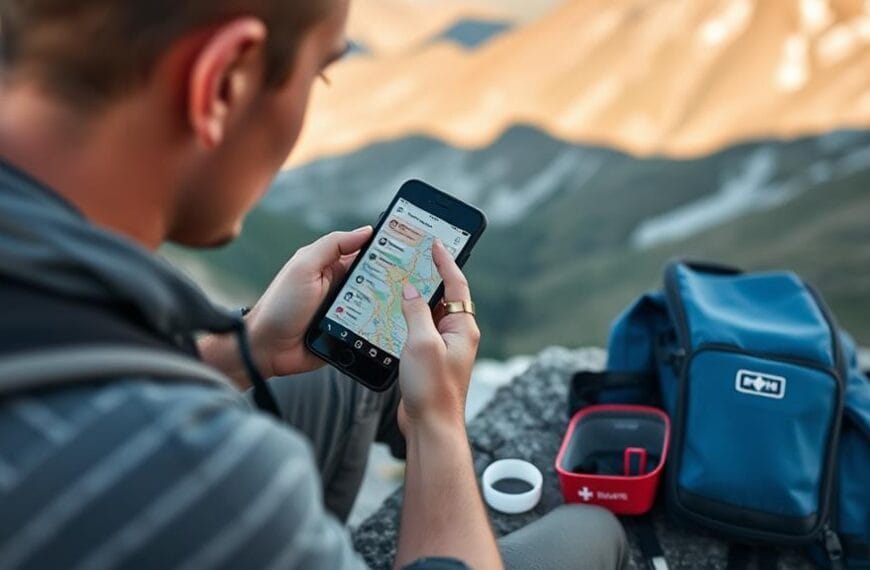

 By
By