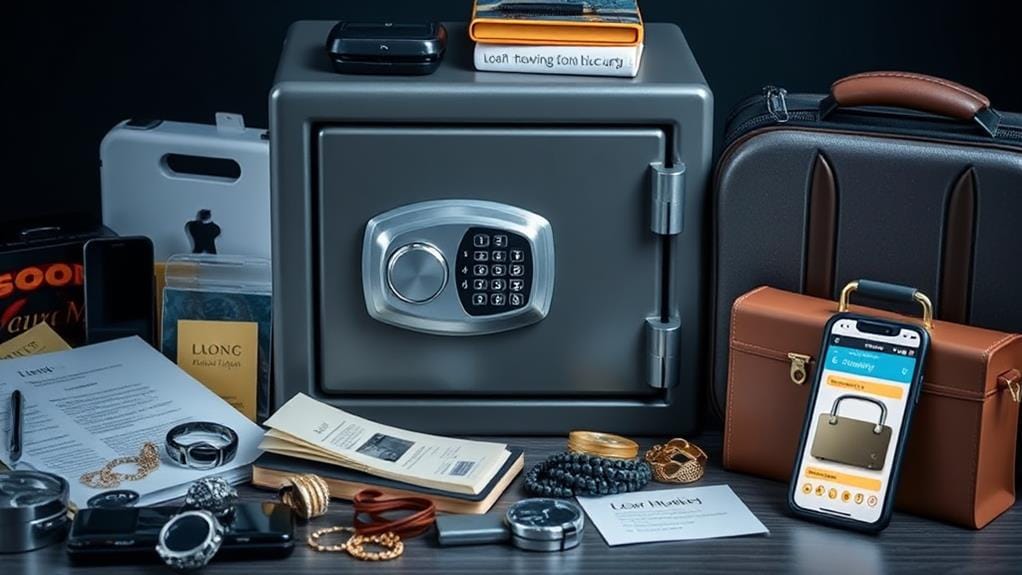

Keeping your belongings safe while traveling comes down to a handful of habits: pick accommodation with reasonable security, use the safe when there is one, lock your luggage in transit, keep valuables close rather than out of sight, and stay a bit more alert than usual in crowded public spaces. None of it is complicated, but over enough trips I’ve watched it add up to meaningfully lower risk.
Choose Secure Accommodation
When picking where to stay, look for basics like a proper entry system — keycards or a staffed front desk rather than an easily bypassed lock — along with decent lighting around the entrance. Reviews often mention security directly, so it’s worth reading a few before booking, especially in an unfamiliar city.
Checking the general safety of the neighborhood matters as much as the property itself. Once you’re in the room, sturdy doors and windows and an in-room safe, even a small one, round out the basics worth checking for.
Use Hotel Room Safes
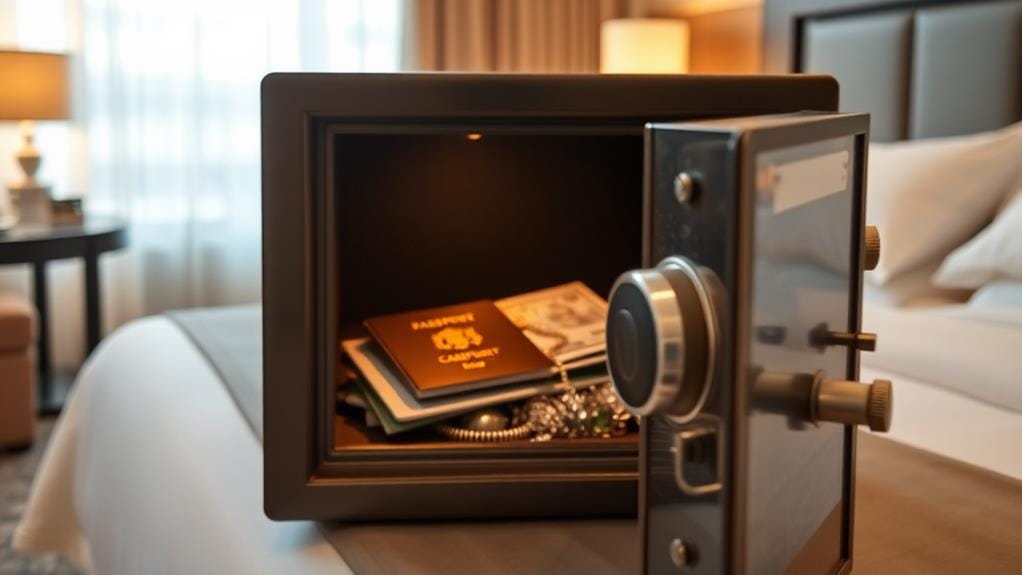
Proper Safe Usage
A hotel safe is only useful if you actually use it consistently. A few habits worth building:
- Set a code you’ll remember but that isn’t obvious (not your birth year or room number)
- Double-check the safe is actually locked before you head out
- Consider using the front desk safe for anything especially valuable, like a passport you won’t need that day
It’s worth checking how the safe works as soon as you check in, rather than discovering an unfamiliar locking mechanism in a rush before a flight — I’ve watched more than one traveler do exactly that.
Alternatives for Valuables
If a hotel safe isn’t available or doesn’t fit everything, a few other options work reasonably well:
| Method | Pros | Cons |
|---|---|---|
| Portable safe | Versatile, compact | Extra weight |
| Hidden pockets in luggage | Discreet, always with you | Limited space |
| Front desk storage | Generally more secure | Less convenient access |
| Luggage locks | Easy to use | Deters casual theft, not determined theft |
None of these are foolproof on their own, but combined with basic awareness of your surroundings, they meaningfully lower the odds of losing something important.
Lock Luggage While in Transit
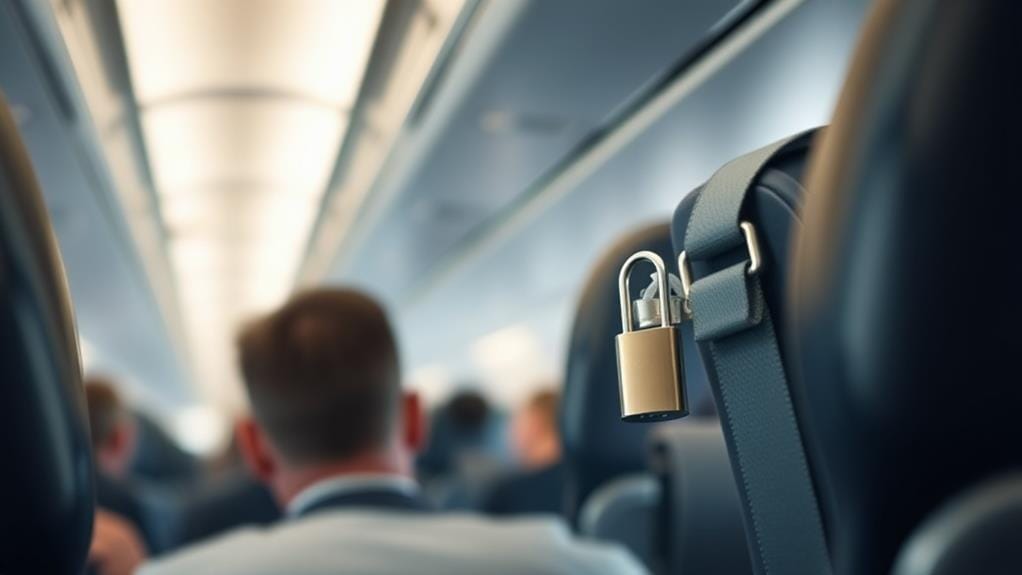
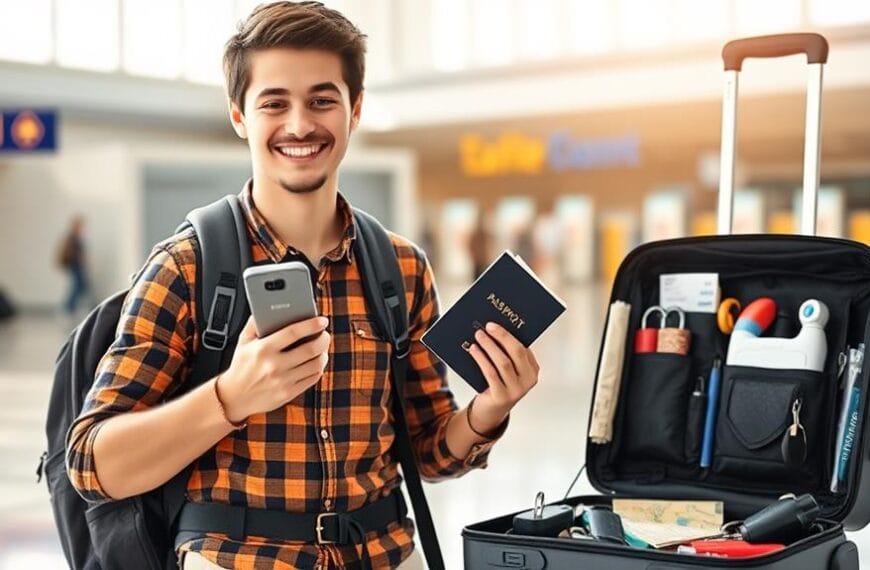
Locking checked luggage is a basic step that deters casual tampering, even if it won’t stop someone determined. A few practical options:
- Locks approved for use with airport security screening, which allow staff to open and relock bags without cutting the lock off
- Sturdy combination or keyed locks for other bags or zippers
- Bags with built-in locking mechanisms, if you’re buying new luggage anyway
- Keep a spare key or your combination written down somewhere separate from the lock itself
Keep Valuables Close at Hand
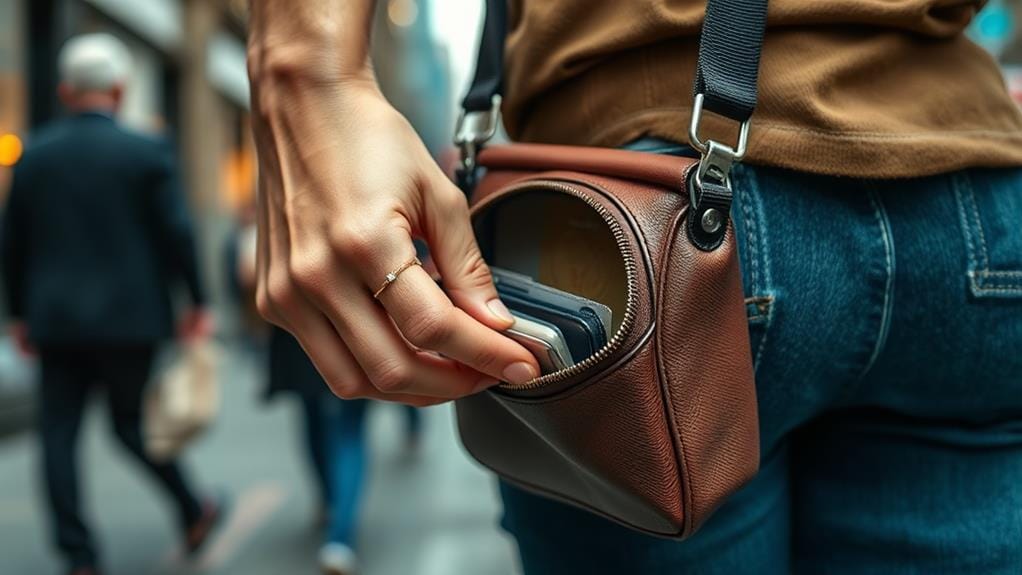
Personal Carry-On Bag
Your carry-on is where passports, cash, and electronics should live rather than checked luggage, simply because you have direct control over it. Anti-theft features — lockable zippers, slash-resistant material — add another layer if you’re often in crowded areas.
A few habits worth keeping:
- Keep valuables in zippered, less accessible compartments rather than outer pockets
- Never leave your carry-on unattended, even for a moment, in an airport or station
- Periodically check that everything’s still there, especially after a crowded transit stretch
Secure Portable Safe
A small portable safe is worth considering if you’re carrying anything particularly valuable — passports, cash, jewelry — and want an extra layer beyond your bag. Look for water resistance and a solid locking mechanism; a simple combination lock is enough for most trips. It’s a small addition to your luggage that can be tucked into a suitcase or hidden in a hotel room.
Trusted Friend Storage
If you’re between homes or leaving for an extended trip, leaving valuables with a trusted friend can be a reasonable option, provided you choose someone genuinely reliable. Document what you’re leaving with photos and a written list, and consider a lockbox for extra protection even within a trusted home. Being clear about access and timelines upfront avoids any awkwardness later.
Minimize Carrying Expensive Items
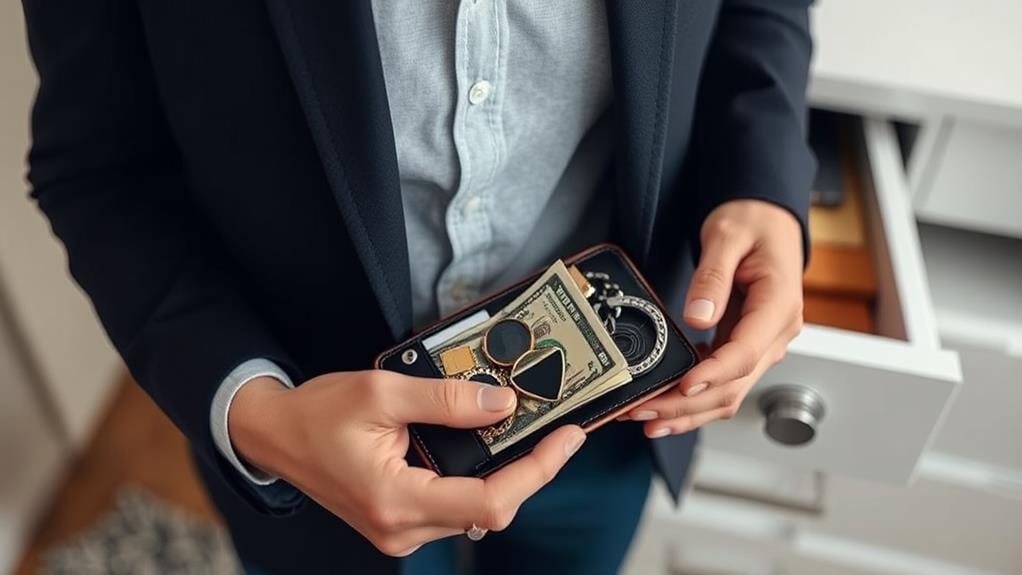
Visibly expensive items — a designer bag, flashy jewelry, an obviously high-end phone case — can draw more attention than they’re worth in unfamiliar places. A plain, unbranded bag blends in better and deters opportunistic theft.
It’s worth thinking about what you actually need to bring day to day: one card, some cash, and your phone usually covers it. Anything you don’t need for daily use is generally safer left in a hotel safe or at home entirely.
Utilize Anti-Theft Bags
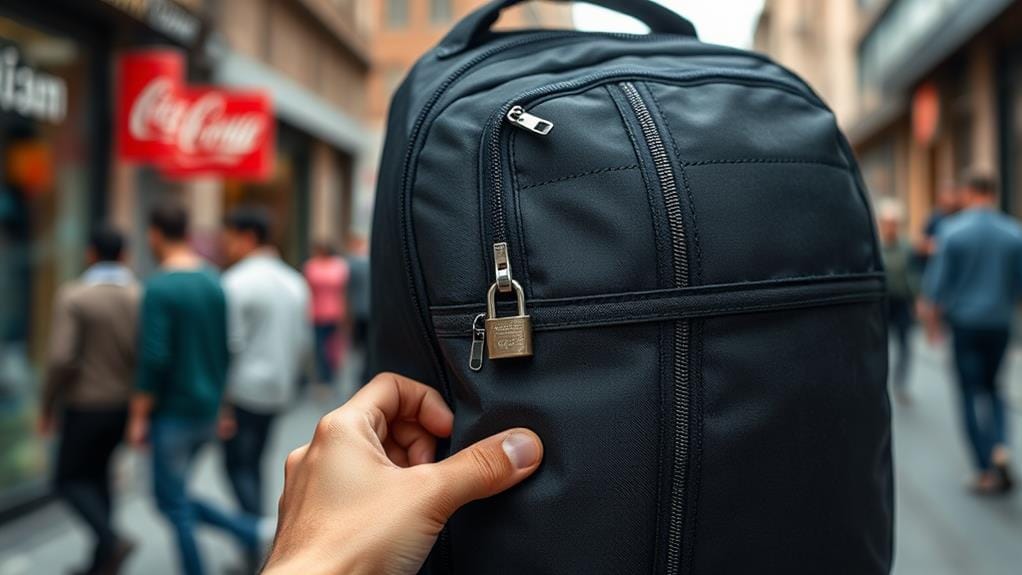
Anti-theft bags typically include a combination of useful features:
- Cut-resistant straps and fabric, which deter slash-and-grab theft
- Locking zippers to make quick pickpocketing harder
- RFID-blocking pockets to prevent electronic skimming of cards
- Hidden compartments for less frequently accessed valuables
These are worth the investment if you’ll be spending time in crowded markets, public transit, or busy tourist areas where pickpocketing is more common.
Be Vigilant in Public Spaces
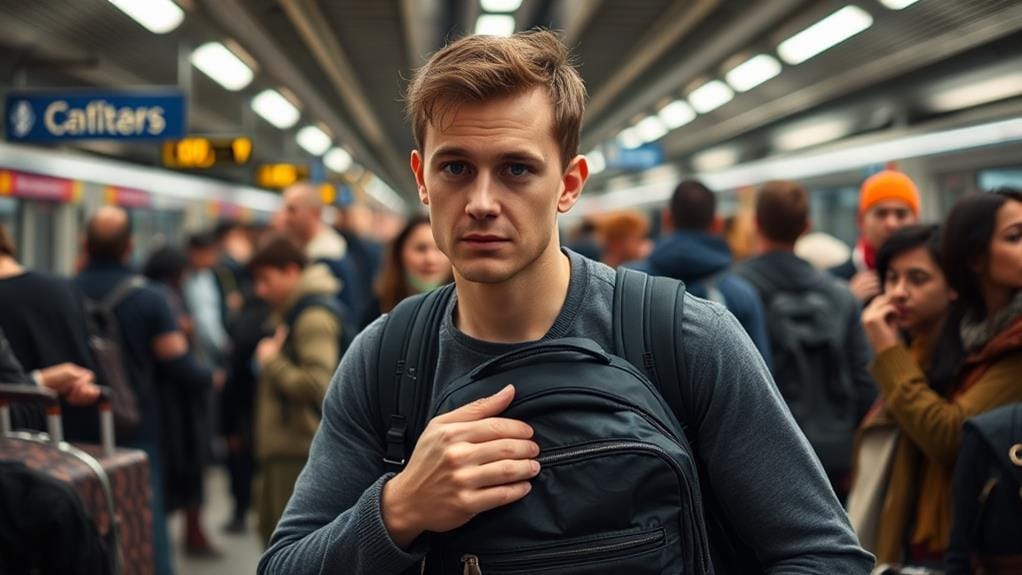
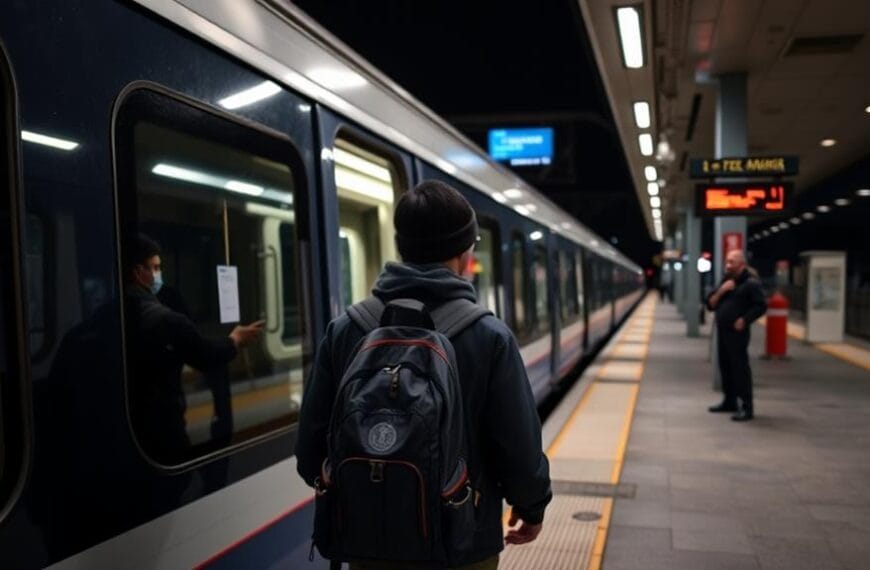
Crowded spaces — train stations, markets, tourist attractions — are exactly where pickpockets tend to operate, so it’s worth staying a bit more alert there than usual. Keep bags in front of you rather than on your back where you can’t see them, and avoid being distracted by your phone while walking through busy areas.
A crossbody bag or money belt is harder to snatch than a bag slung over one shoulder, and it’s worth keeping your belongings zipped and close on public transport in particular.
Secure Digital Information
Backing up important files to the cloud or an external drive before you travel means you’re not out of luck if a device is lost or stolen. Strong, unique passwords — ideally managed through a password manager rather than memorized or reused — make a real difference in limiting the damage if an account is compromised.
A few other habits worth keeping:
- Enable two-factor authentication on important accounts
- Keep your devices’ software updated
- Use a VPN on public Wi-Fi networks
- Avoid reusing the same password across multiple accounts
Frequently Asked Questions
How to Secure Personal Belongings?
Lock up valuables when possible, use strong unique passwords for digital accounts, and stay aware of your surroundings in public. Anti-theft bags and portable safes add extra layers of protection for physical items.
How Will You Keep Your Belongings?
A combination of physical security — locks, safes, anti-theft bags — and good organization, like keeping an inventory of valuables, covers most situations. Insurance is worth considering for particularly valuable items.
How Can I Secure My Property?
Basic measures like proper locks, adequate lighting, and, where useful, cameras or alarms cover most security needs. Smart locks and remote monitoring add convenience if you want to check on things while away.
How to Secure Valuables?
Use discreet storage rather than obvious display, keep photos and documentation of valuable items for insurance purposes, and consider tamper-evident seals or locks for anything particularly important.

 By
By

 By
By