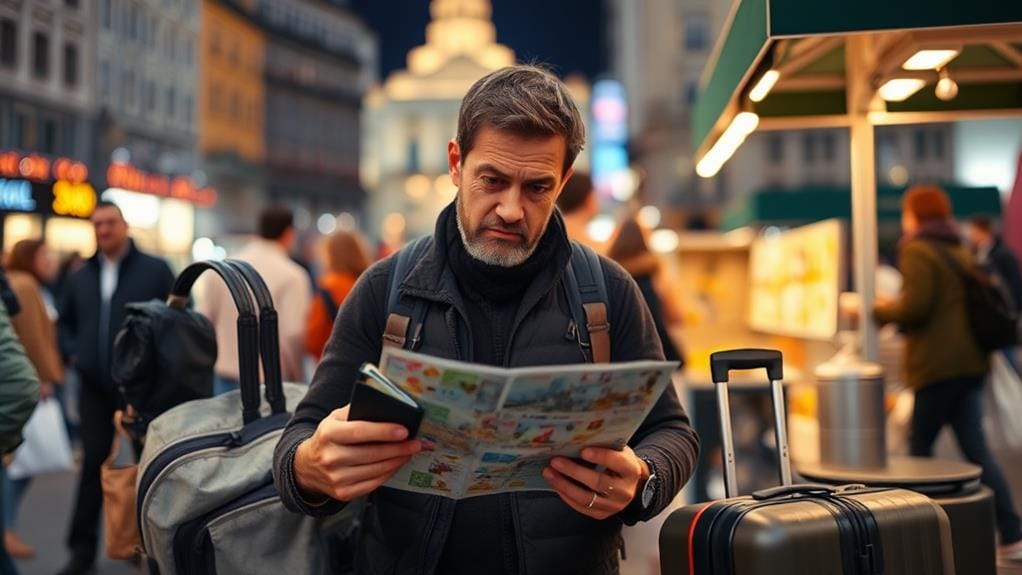

Travel scams are real, but most are avoidable with a bit of preparation — and after enough years on the road, the pattern behind them starts to look pretty familiar no matter which country you’re in. Look up common scams at your destination before you go, keep your digital and physical belongings secure, book through reputable and well-established platforms, and don’t feel obligated to accept help or offers from strangers that seem to come with strings attached. A little skepticism goes a long way.
Research Common Destination Scams Before You Travel
Before you travel, it’s worth spending a bit of time reading about scams commonly reported at your specific destination. Travel forums and blogs tend to have detailed, up-to-date accounts of local schemes — overcharging taxi drivers, staged distractions paired with pickpocketing, and so on — that vary a lot by city and country.
It also helps to get a rough sense of the local currency and typical prices for common purchases, so you can tell if you’re being significantly overcharged. A basic understanding of local customs helps too, partly for its own sake and partly because looking like a confused, obvious tourist tends to draw more attention from anyone looking to take advantage — scammers, in my experience, are opportunists first and foremost, and an alert traveler is simply less of an opportunity.
Secure Your Digital Presence
Use a VPN on Public Wi-Fi
Public Wi-Fi networks in airports, cafes, and hotels are relatively easy targets for anyone trying to intercept data, so it’s worth using a reputable VPN service when connecting to any of them, especially if you’re doing anything involving passwords or payment information.
Protect ATM Transactions
ATM skimming does happen, so it’s worth a quick visual check of the card slot and keypad for anything that looks like an attachment before inserting your card. Favor ATMs inside banks or in well-lit, populated areas over standalone machines on quiet streets, and cover the keypad with your hand while entering your PIN. Check your bank statements periodically during a trip so you catch any unauthorized charges early rather than after you’re home.
Secure Personal Devices
Keep your devices updated with the latest security patches, use strong and unique passwords, and enable two-factor authentication on important accounts before you travel. A VPN on public networks and a bit of caution around unfamiliar links or messages covers most of the common risks.
Be Wary of Unsolicited Offers
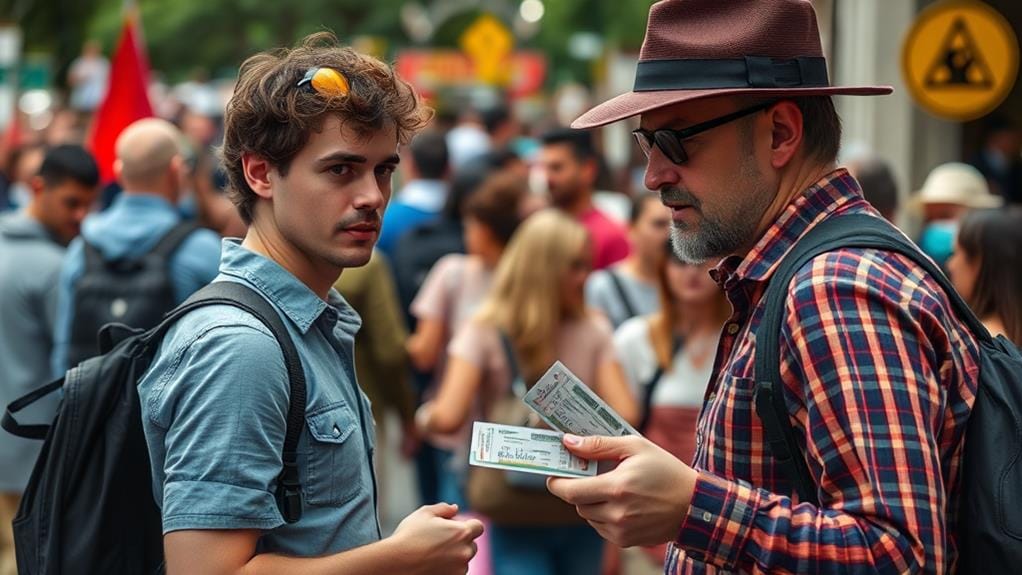
Strangers’ Unexpected Generosity
An overly friendly stranger offering something for free — a bracelet, a small gift, an unsolicited favor — is a common setup for a scam in many tourist areas. It’s fine to politely decline and keep walking if something feels like it’s headed toward a sales pitch or a demand for payment.
Beware Free Tour Guides
Unsolicited “free” tour guides sometimes lead visitors toward overpriced shops or add unexpected fees partway through. If you want a guided tour, it’s usually safer to book one through a reputable, established company or your accommodation rather than accepting an offer from someone who approaches you on the street.
Trust Your Instincts
If something feels off, it’s worth listening to that instinct rather than talking yourself out of it. Scammers often rely on urgency to short-circuit careful thinking, so if you’re being pressured to decide something quickly, that’s worth treating as a warning sign rather than a reason to rush.
Pay attention to how people approach you — unusually pushy or overly friendly behavior from a stranger is worth some healthy skepticism. It’s always fine to say no and walk away from a situation that doesn’t feel right, even if it feels a little awkward in the moment.
Use Reputable Booking Platforms

Established, well-known booking platforms have reputations to protect and generally offer more reliable customer support if something goes wrong compared to an obscure third-party site. Check that any payment page uses a secure connection before entering card details, and cross-reference independent reviews on a well-established review platform before booking anything unfamiliar.
Make sure you can reach customer service easily before you commit to a booking, and treat prices that seem far below the going rate with some skepticism — they’re occasionally legitimate, but they’re also a common way scams get started.
Protect Your Personal Information
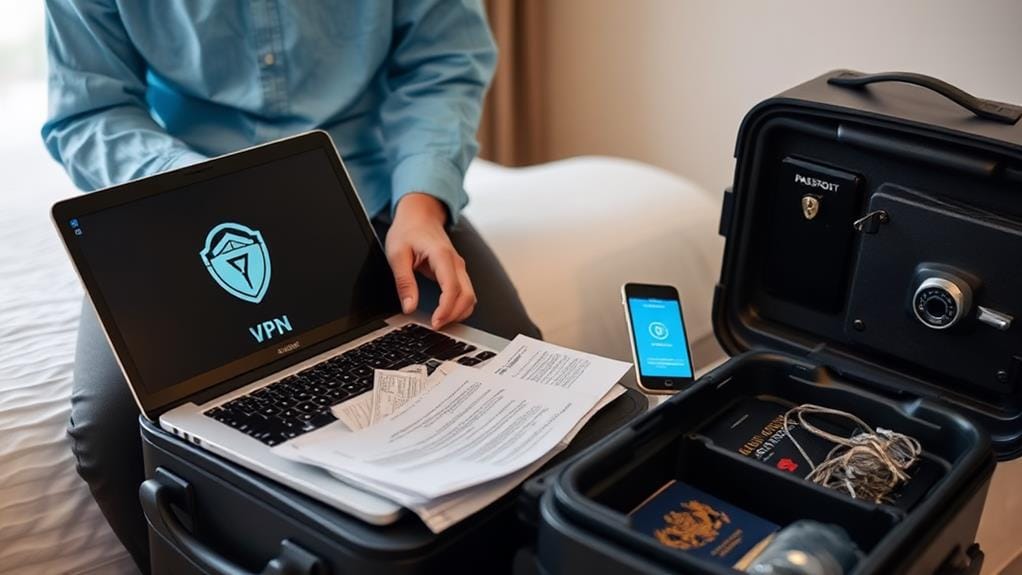
A few habits go a long way toward keeping your information safe while traveling:
- Use a VPN when checking email or accounts on public Wi-Fi
- Keep your wallet and IDs secure, and avoid sharing sensitive details with strangers
- Use strong, unique passwords and enable two-factor authentication where it’s available
Stay Alert in Public Spaces
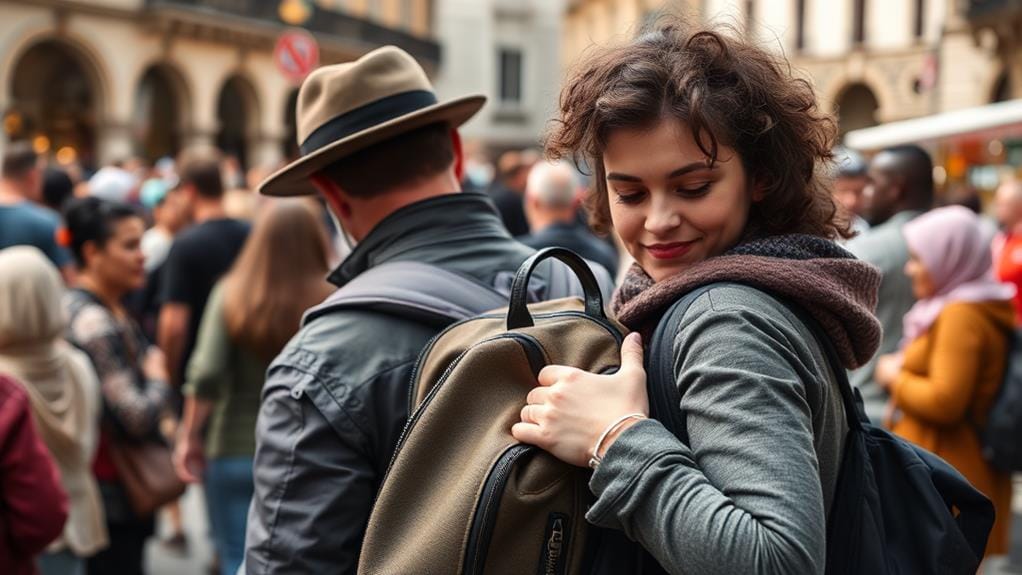
Crowded markets and busy streets are exactly where pickpockets and scammers tend to operate, so it’s worth staying a bit more alert in those settings than you might be at home.
| Helpful habit | Worth avoiding |
|---|---|
| Trusting your instincts | Letting your guard down in crowds |
| Keeping valuables out of sight | Flashing expensive items or large cash |
| Using a money belt or hidden pocket | Carrying all your cash in one place |
| Staying aware of your surroundings | Getting absorbed in your phone |
| Learning common local scams beforehand | Assuming it won’t happen to you |
Learn Basic Local Phrases

Knowing a handful of basic phrases in the local language — greetings, numbers, “how much is this” — helps in small everyday interactions and can shift how you’re perceived. It’s a small effort that signals you’re paying attention, which tends to make you a less appealing target than someone who’s obviously lost and unable to communicate.
Frequently Asked Questions
How to Avoid Travel Scams?
Research common scams at your destination ahead of time, protect your personal information, book through trusted platforms, and trust your instincts when something feels off.
How Do You Know if a Travel Agent Is Scamming You?
Watch for red flags like unusual payment requests, vague or evasive communication, no verifiable business credentials, and reviews that seem inconsistent or overly generic. When in doubt, verify independently before paying anything.
Which One Should You Not Do to Avoid Scams?
Avoid ignoring red flags out of politeness or urgency — hotel booking fraud, fake tour operators, phishing emails, and misleading reviews all rely on people not pausing to double-check.
What Is Your Advice on Avoiding Scams?
Research your destination, learn to recognize common red flags, verify reviews independently, and trust your instincts. Secure your payments and information, and don’t let urgency pressure you into a decision.


 By
By



 By
By