

Traveling as a student mostly comes down to planning around your calendar, using every discount you’re entitled to, and being willing to trade a bit of comfort for a lot of savings. Mark your breaks early, put aside a small amount each month, look for student discounts on flights and accommodation, and lean on public transit and free activities once you’re there. It adds up faster than it seems — I’ve watched students turn a semester of small savings into a trip they thought was out of reach.
Plan and Budget Strategically
Start by marking academic breaks on your calendar early, both to avoid conflicts with exams and to give yourself lead time to find good prices. Setting aside even a small, consistent amount each month builds up a real travel fund over a semester or a year without feeling like a big sacrifice at any one point.
Once you’ve got a destination in mind, research the full cost picture — accommodation, food, and transportation, not just the flight. It’s worth budgeting for travel insurance too; it’s a small cost relative to what a lost bag or a medical issue abroad could otherwise run you.
Cut Daily Expenses

Small daily habits add up to real travel money over time. Cooking at home more often instead of ordering takeout, and holding off on nonessential purchases, both free up cash without much sacrifice.
Student discounts are worth asking about everywhere, not just where they’re advertised — clothing, entertainment, and transportation all commonly offer reduced student rates, and the size of the discount varies by retailer and location, so it’s worth simply asking rather than assuming.
Pre-drinks before a night out and potlucks with friends cost a fraction of restaurant tabs. Making coffee at home instead of buying it daily is a small change that adds up meaningfully over months. Even setting aside a modest amount each month builds toward a real travel fund by the time your break arrives.
Maximize Student Discounts

Student ID Benefits
A student ID unlocks discounts in more places than you’d expect, and it’s worth asking even where a discount isn’t advertised. Public transportation discounts are common in many cities, and museum entry is often discounted or free for students.
Other places worth checking:
- Museum and gallery admission
- Flights and rail tickets, particularly with a recognized international student ID
- Hostel stays
- Tours and activities
These add up over the course of a trip, so it’s worth carrying your student ID and asking at every ticket counter, even when it’s not obviously advertised.
Travel Discount Programs
Beyond a basic student ID, a recognized international student identity card is accepted in many countries and can unlock discounts on attractions, transport, and more, useful if you’re doing a multi-country trip. Check what’s currently recognized where you’re headed, since acceptance varies by country and institution.
Student-focused travel agencies and booking sites sometimes offer package deals aimed at younger travelers, which can work out well for a first big trip if you’d rather not plan every detail yourself. It’s worth comparing a package price against booking pieces separately, since it isn’t always cheaper. Whatever route you take, don’t skip travel insurance to save a bit of money — it’s the one expense that protects you from a much larger loss.
Choose Affordable Accommodations
Hostels and Shared Rooms
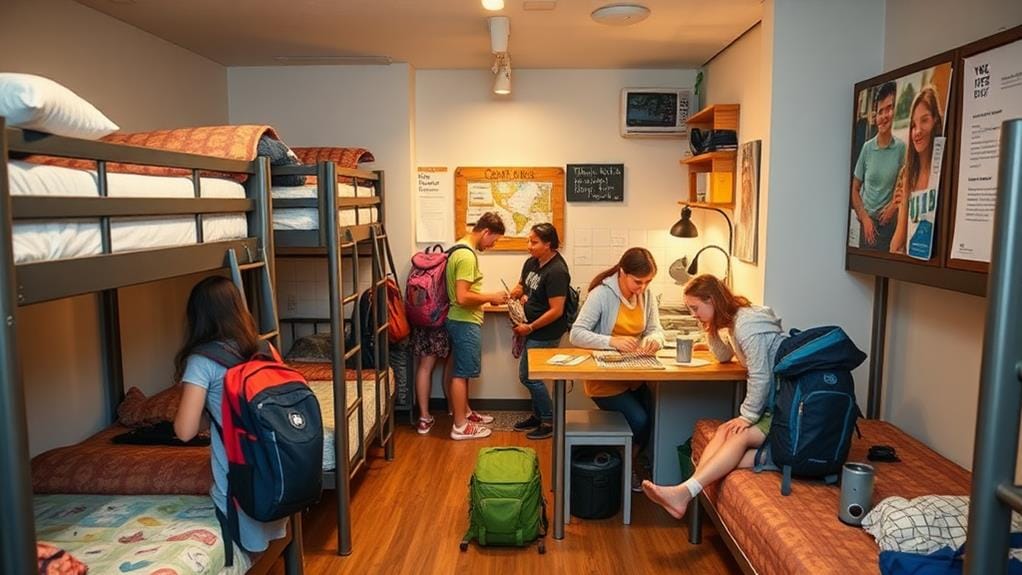
Hostels remain one of the cheapest ways to sleep while traveling, and many have communal kitchens that let you cook instead of eating out for every meal. The social side is a real bonus too — shared rooms mean built-in opportunities to meet other travelers.
A few tips for a better hostel stay:
- Book ahead during peak seasons, when the best-value beds go first
- Compare prices and read reviews on booking platforms before committing
- Pack earplugs and an eye mask for better sleep in shared rooms
- Stay open to meeting people — it’s a big part of what makes hostels worth it
Budget-Friendly Short-Term Rentals
Short-term rental platforms are worth comparing against hostels, especially for group trips where splitting an apartment can work out cheaper per person than individual hostel beds. Kitchen access is the big advantage here too, letting you cook and cut food costs significantly over a longer stay.
Booking a full apartment with friends splits the cost several ways and can feel more like living in a place than just visiting it. Staying a bit outside the main tourist area often means lower prices and a more local feel, and it’s worth checking for flexible or long-stay discounts if your trip runs more than a few days.
Find Cheap Transportation Options
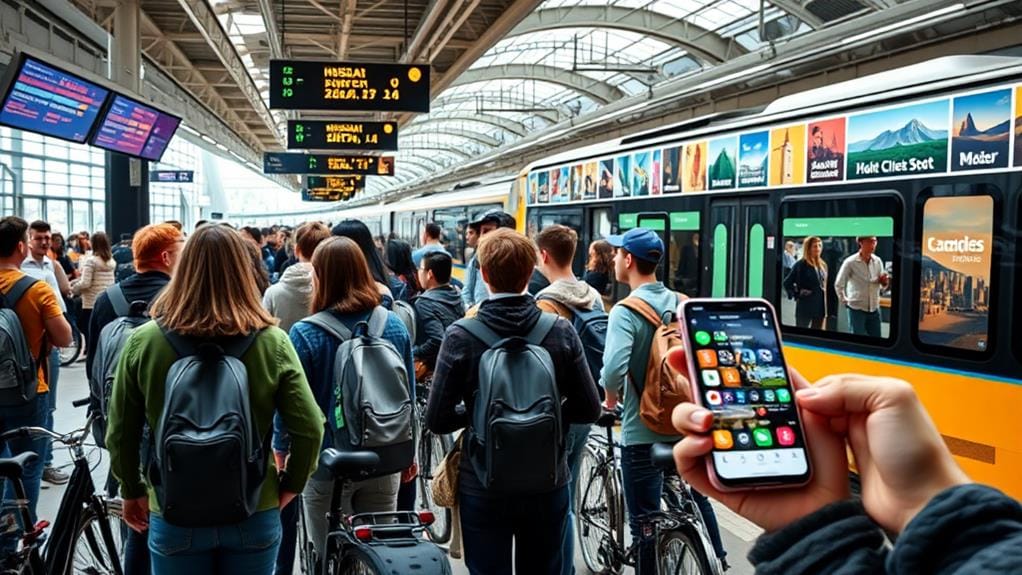
Public transit is almost always the cheapest way to get around a city, and many cities sell multi-day passes that are worth it if you’re moving around a lot. Flight prices often vary by day of the week, so it’s worth checking a range of dates rather than booking the first option you see.
Once you’re on the ground:
- Check for ride-sharing apps that offer student discounts
- Rent a bike in cities that are walkable and bike-friendly
- Look into city-specific transit passes for unlimited travel over a few days
- Mix transport methods depending on distance and cost
Walking or biking through a new city is often the best way to actually see it, and it’s free or nearly free either way.
Explore Free Activities
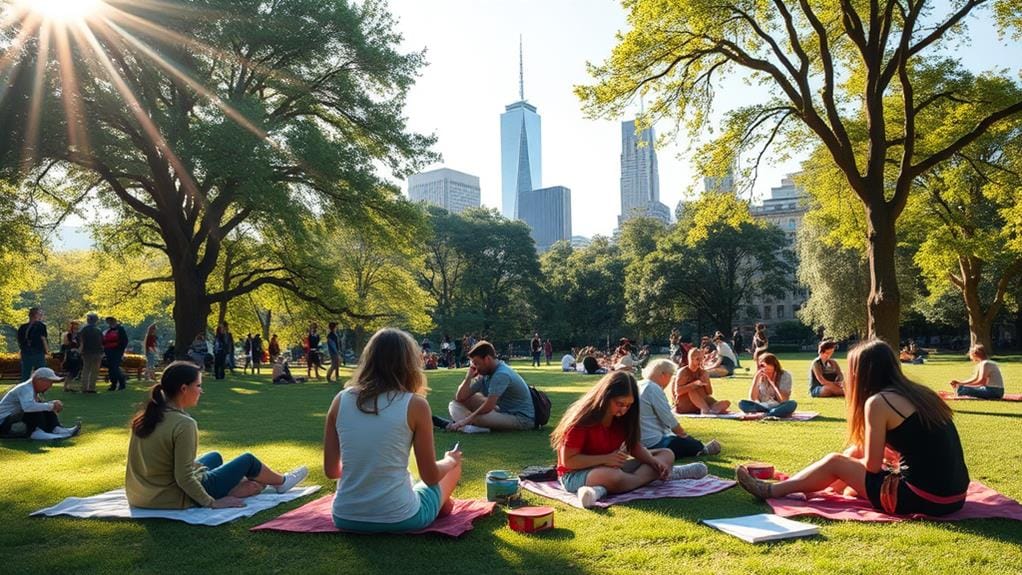
Free walking tours, tip-based, are a good way to get a feel for a new city’s history while meeting other travelers. Many museums and galleries offer free admission days, so it’s worth checking local listings before planning your visit.
Community festivals offer a genuine slice of local culture at no cost, and public parks are perfect for a picnic or a casual game when you need a break from sightseeing. Talking to locals is consistently one of the best ways to find things worth doing that don’t show up in guidebooks — some of the best experiences on a trip cost nothing at all.
Travel During Off-Peak Seasons

Traveling during shoulder or off-peak months can meaningfully cut costs on flights, accommodation, and food compared to peak season, though the exact savings depend heavily on the destination. It also usually means smaller crowds at major sights and a better chance to experience a place at its normal pace rather than its busiest.
A few reasons it’s worth considering if your schedule allows it:
- You’ll have more room to interact with locals rather than navigating crowds
- Lodging and food prices tend to drop noticeably outside peak months
- Popular landmarks are far more enjoyable without the crowds
- You get a better sense of a destination’s regular rhythm rather than its tourist-season version
Embrace Flexibility and Spontaneity

Being open to different destinations or shifting your travel dates by even a few days can unlock noticeably better prices on flights and accommodation. A spontaneous trip with friends, even a short one, often turns into one of the better memories of a semester.
Travel-focused social media groups and forums are a good place to find others heading somewhere you’re interested in, whether that’s splitting costs on a trip or just getting recommendations. Keep an eye on deal sites for last-minute discounted trips too, since they occasionally surface a genuinely good opportunity worth acting on quickly.
Frequently Asked Questions
How to Afford Travel as a Student?
Use student discounts wherever available, look into travel grants or scholarships offered by your school, choose hostels over hotels, and fly budget airlines when the schedule allows.
How to Plan a Trip as a College Student?
Start with the essentials — dates, budget, and destination — then build an itinerary that mixes must-see spots with some unplanned time. Research the destination ahead of time so you’re not scrambling once you land.
How to Travel for Free as a College Student?
Look into travel grants, volunteer or work exchange programs, and student discounts stacked together. Fully free travel is rare, but these can cut costs dramatically compared to a standard trip.
How Should I Budget My Money as a Student?
Track your regular expenses, prioritize essential spending, and set aside a consistent amount for savings and travel goals. Student discounts are worth using consistently rather than only when you remember to ask.

 By
By



 By
By