
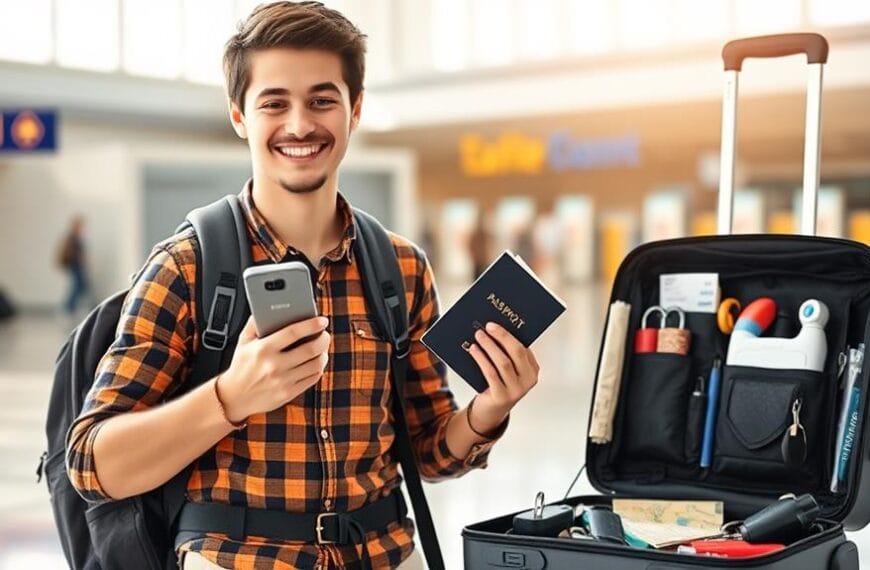
Solo travel is generally safe, but the margin for error is smaller when you don’t have a companion to fall back on — something I remind every first-time solo traveler I talk to. A bit of upfront preparation — knowing local risks, planning transportation, staying in touch with people back home — makes the difference between a trip where you’re constantly on edge and one where you can actually relax and enjoy being somewhere new.
Research Local Safety Concerns Before Solo Travel
Before you go, it’s worth understanding the basics of your destination’s safety situation — general crime patterns, common scams targeting tourists, and areas locals suggest avoiding, especially at night. Official government travel advisory sites are a reasonable starting point, and recent posts on travel forums often have more specific, current detail than official sources.
Understanding local cultural norms matters too, partly to avoid unintentionally causing offense and partly because sticking out as an obvious tourist can occasionally invite more unwanted attention. Keep a note of emergency contacts and any relevant embassy information before you land, and check current entry and safety guidance through official channels rather than older posts, since conditions change.
Plan Transportation in Advance
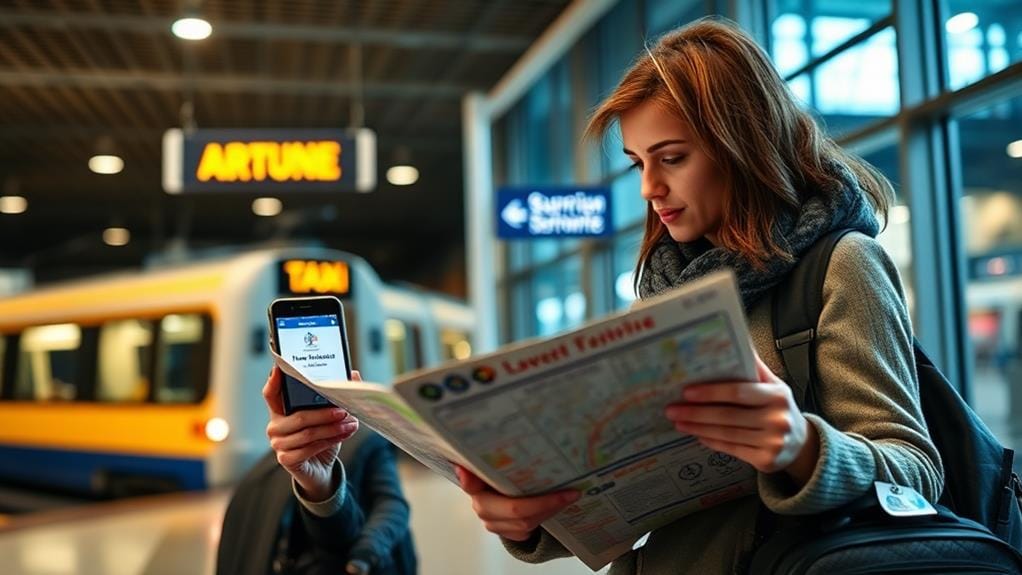
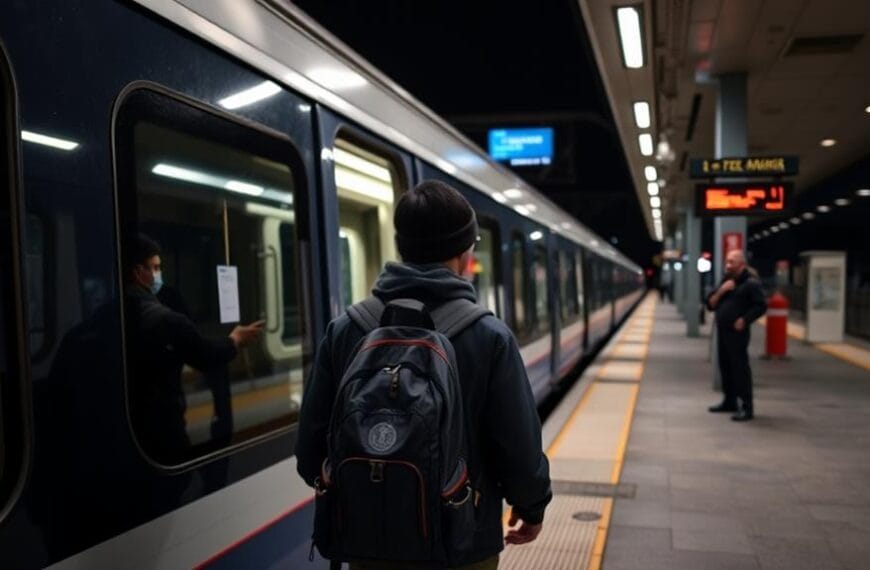
Arriving somewhere new and figuring out transportation on the fly is one of the more disorienting parts of solo travel. Pre-booking an airport transfer, where that’s an option, removes a lot of that stress right at the start of a trip.
Once you’re settled, reputable ride-sharing apps and local taxi services with decent safety ratings are generally a solid choice for getting around. Public transit is often the cheapest option and gives a more genuine sense of a place, provided you’ve got a basic idea of routes and schedules ahead of time. Downloading offline maps and transit apps before you go is worth doing in case you lose signal or data access.
Stay Connected With Trusted Contacts
Keeping a loved one informed of your general plans isn’t about being tethered — it’s a simple safety net that costs almost nothing to maintain. Share your itinerary, agree on rough check-in times, and use location-sharing features if that gives everyone more peace of mind.
It’s also worth letting hotel or hostel staff know your general plans if you’re heading somewhere remote for the day. They can be a useful local resource if something goes wrong, and having that support in place tends to make solo travel feel less isolating overall.
Secure Belongings and Valuables
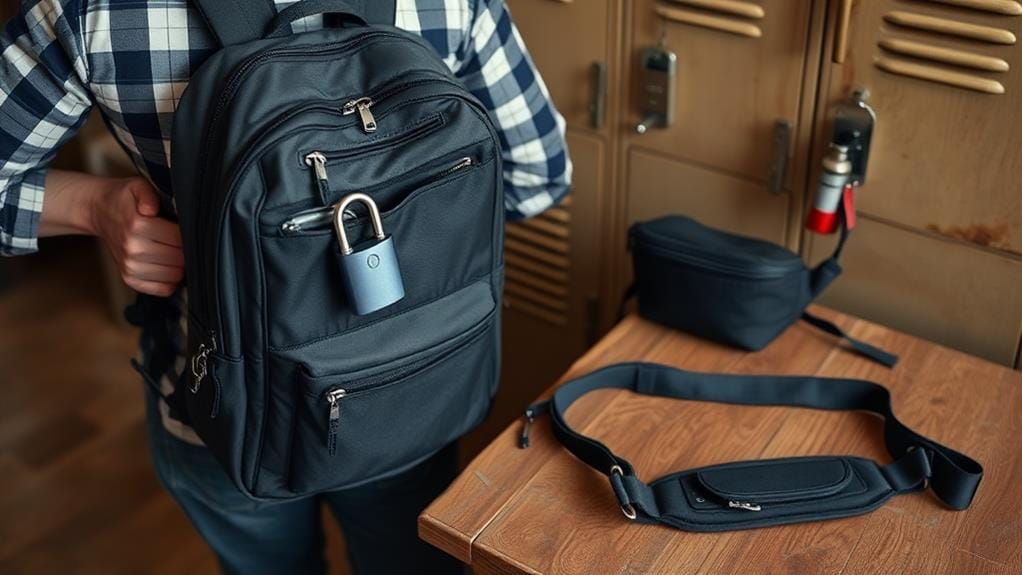
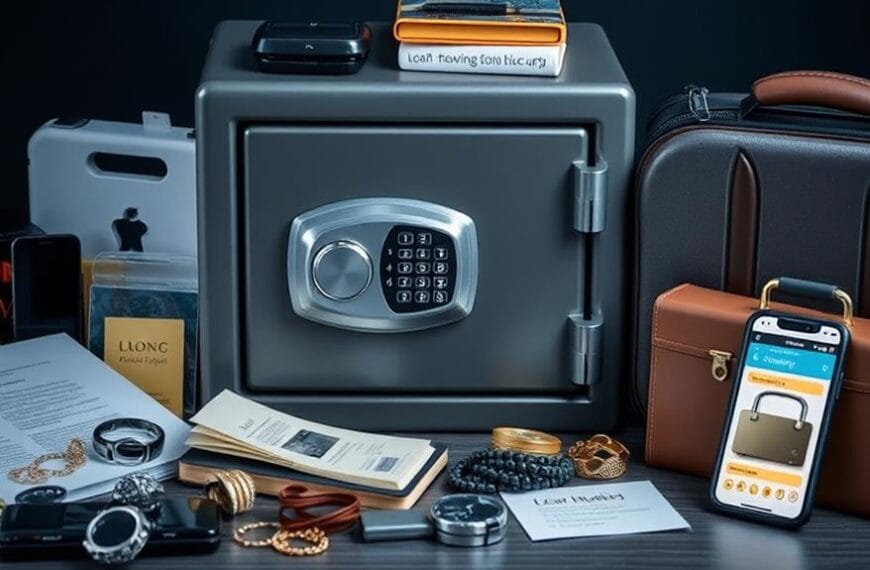
Carrying only what you need day to day — phone, a card, some cash, and a copy of your passport rather than the original — limits what you’d lose if something goes wrong. An anti-theft bag with hidden compartments adds a reasonable extra layer if you’ll be in crowded areas.
Basic awareness in crowded spaces goes a long way toward avoiding pickpocketing, and using the hotel safe for anything you’re not carrying that day — spare cash, your actual passport, other documents — is worth the small effort.
Blend in With Local Culture
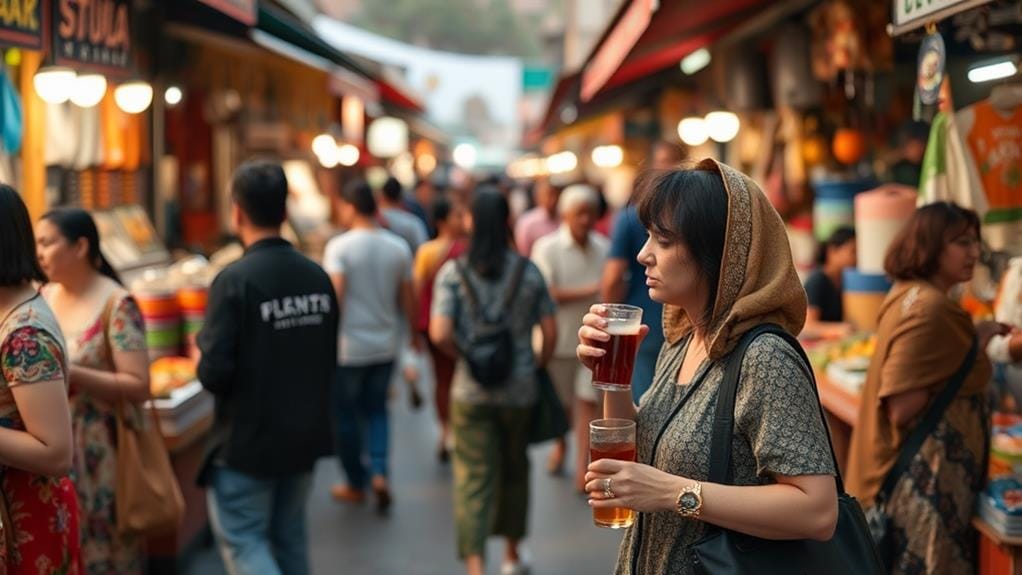
Research Local Dress Codes
Understanding typical dress norms before you travel helps you avoid standing out unnecessarily and shows a basic level of respect for local customs, particularly in more conservative destinations or around religious sites.
Learn Basic Cultural Etiquette
A handful of local phrases go a long way, both practically and in how you’re received. Dressing appropriately for the context and understanding basic dining etiquette — whether utensils are expected, how tipping works — rounds out the basics worth learning before a trip.
Observe and Mimic Locals
Paying attention to how locals dress, move, and interact with their surroundings is one of the simplest ways to blend in rather than read as an obvious target. It also tends to open up more genuine interactions, since you’re engaging with a place on its own terms rather than as a purely external observer.
Trust Your Instincts
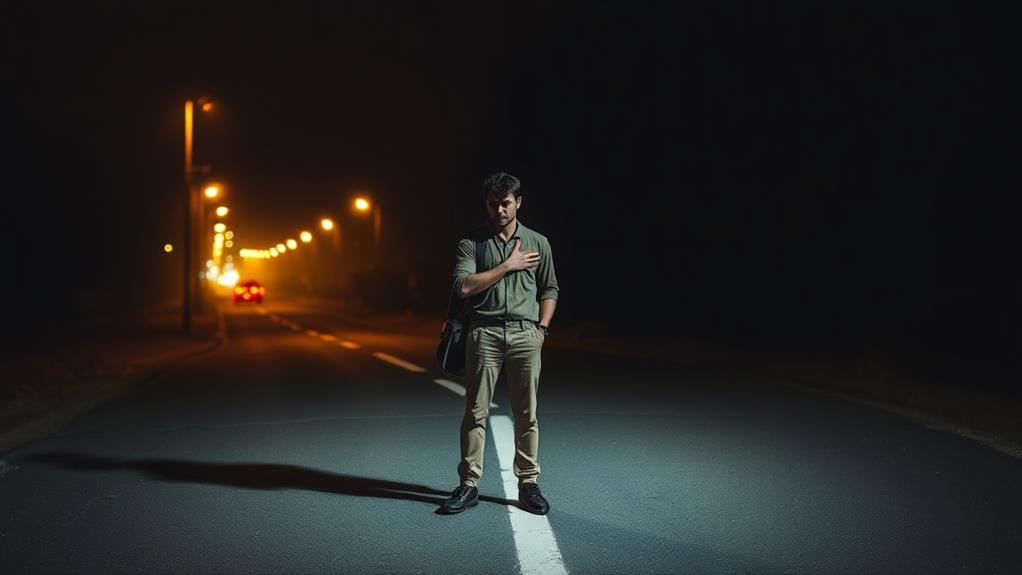
If a situation feels wrong, it’s worth acting on that feeling rather than waiting for concrete proof that something’s actually amiss. This matters more when traveling solo, since there’s no one else to double-check your read on a situation in the moment. Recognizing early warning signs — a person being unusually insistent, an area that feels off despite looking fine on the surface — and adjusting your plans accordingly is a reasonable, low-cost habit to build. I’ve cut plans short over exactly this kind of feeling more than once, and never once regretted playing it safe.
Choose Accommodations Strategically
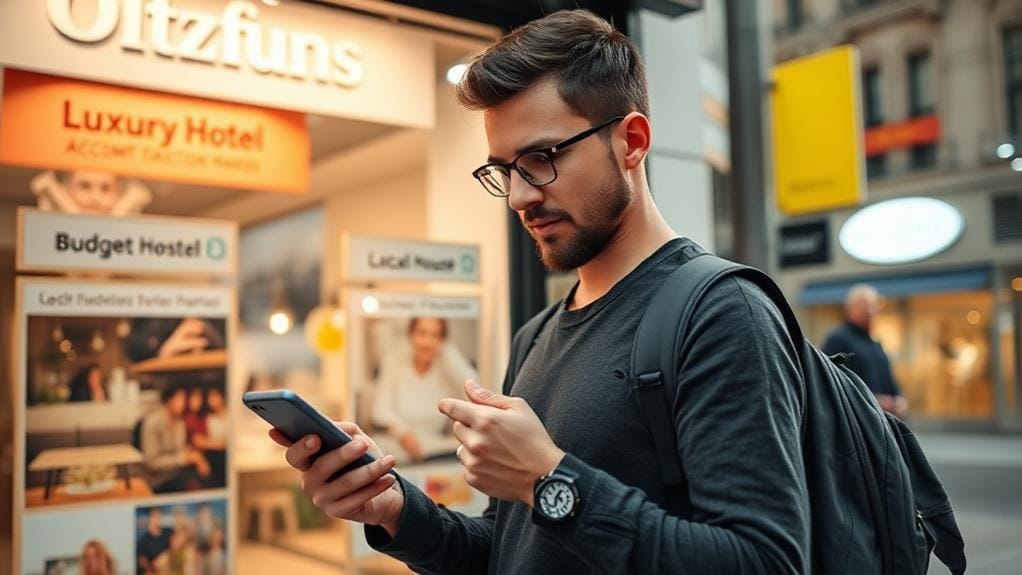
Look for accommodation with decent safety reviews in well-populated areas, ideally with an in-room safe and a clear sense of emergency exits. Guest reviews on established review platforms often mention safety directly and are worth reading before booking somewhere unfamiliar.
Female-only dorms or hostels catering specifically to solo female travelers are worth considering if that appeals to you — they often provide a more comfortable environment for meeting other solo travelers too.
Learn Basic Self-Defense Techniques
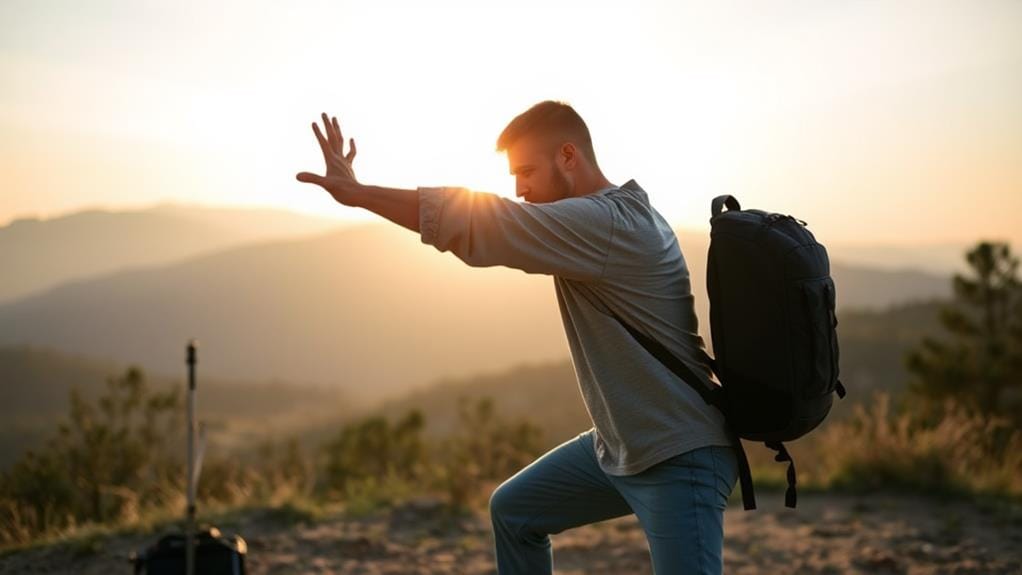
A basic self-defense class before a trip builds real confidence, separate from whether you ever need to use it. Feeling prepared rather than anxious tends to change how you carry yourself, which in turn affects how you’re perceived by people around you.
Frequently Asked Questions
What Precautions Should Be Taken While Travelling Alone?
Get travel insurance, share emergency contacts with someone at home, respect local customs, and choose safe transport and lodging. Basic health precautions and keeping your digital accounts secure round out the essentials.
How Can a Solo Traveller Be Safe?
Prioritize situational awareness, respect local customs, choose accommodations carefully, and use travel apps for navigation and safety alerts. Pack thoughtfully and take basic health precautions before you go.
Why Is Solo Travel Important?
For many people, it builds confidence, independence, and a different kind of cultural understanding than group travel typically offers. It’s not the only valid way to travel, but it’s a meaningful one for those drawn to it.
Do You Need to Have a Careful Plan Before Traveling Alone?
Some planning is worthwhile — a rough itinerary, accommodation research, emergency contacts, and basic cultural awareness — though solo travel doesn’t require planning every hour. Leaving room for spontaneity is part of the appeal for a lot of solo travelers.

 By
By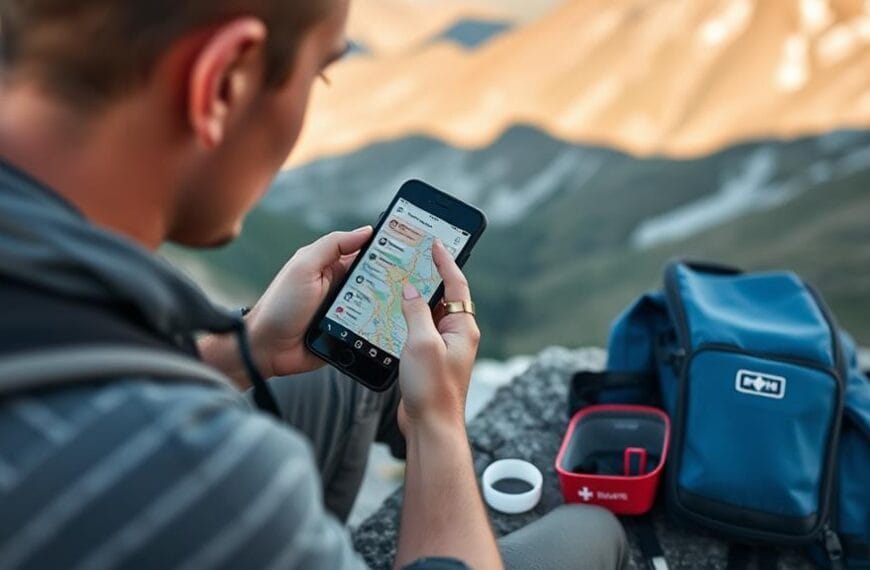

 By
By