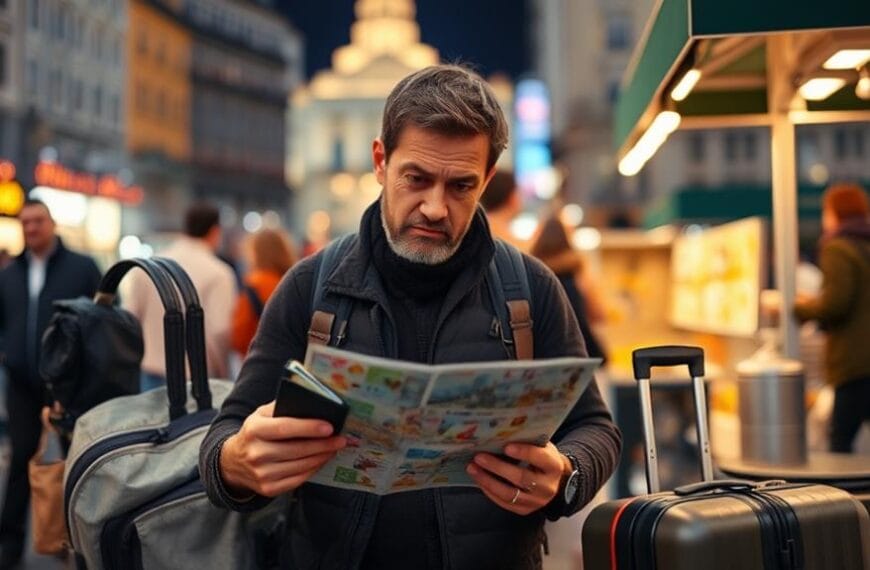


Choosing safe, reliable transportation matters more when you’re traveling solo, since there’s no one else to fall back on if something goes wrong — a lesson I picked up early and now pass along to every solo traveler who asks. Reputable taxis, well-reviewed rideshare apps, and public transit you’ve researched ahead of time all reduce risk without cutting into the freedom that makes solo travel appealing in the first place.
Prioritizing Personal Security in Solo Travel
Taxi scams and getting stranded in an unfamiliar area are real, if avoidable, risks for solo travelers. Sticking to registered taxis or rideshare apps with verified driver IDs cuts down on both, since there’s a record of the driver and the trip.
Keeping your accommodation’s business card on hand is a small but genuinely useful habit — it makes explaining your destination to a driver much easier if there’s a language barrier, and it’s saved me more than once when my pronunciation of a street name didn’t land. And if a ride or situation feels off for any reason, trusting that instinct and finding another option is always reasonable, even if it costs a little extra time or money.
Navigating Unfamiliar Environments Confidently
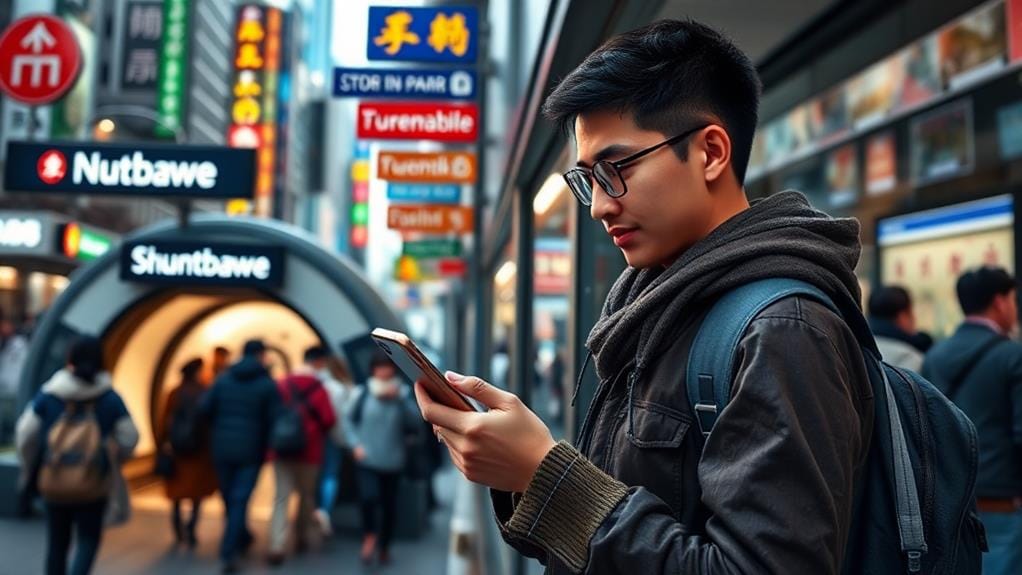
Research Local Transport Options
Looking into a destination’s public transportation system before you arrive makes a real difference in how confident you feel once you’re there. Taxis add up fast, and getting familiar with the local metro or bus system tends to be both cheaper and a better way to see how a city actually operates day to day. Navigation apps make this much easier than it used to be, and it’s worth reading up on local etiquette too — how to pay a fare, where to board, that kind of thing.
Utilize Navigation Tools Effectively
A mapping app with real-time directions is the obvious starting point, but it’s worth downloading offline maps too, in case you lose signal somewhere without reliable coverage. Many cities also have their own transit apps with route and schedule info that a general mapping app might not have.
| Tool | Works Offline | Real-Time Updates |
|---|---|---|
| General mapping apps | With download | Yes |
| City transit apps | Sometimes | Yes |
| Printed maps | Always | No |
Minimizing Risks During Solo Adventures
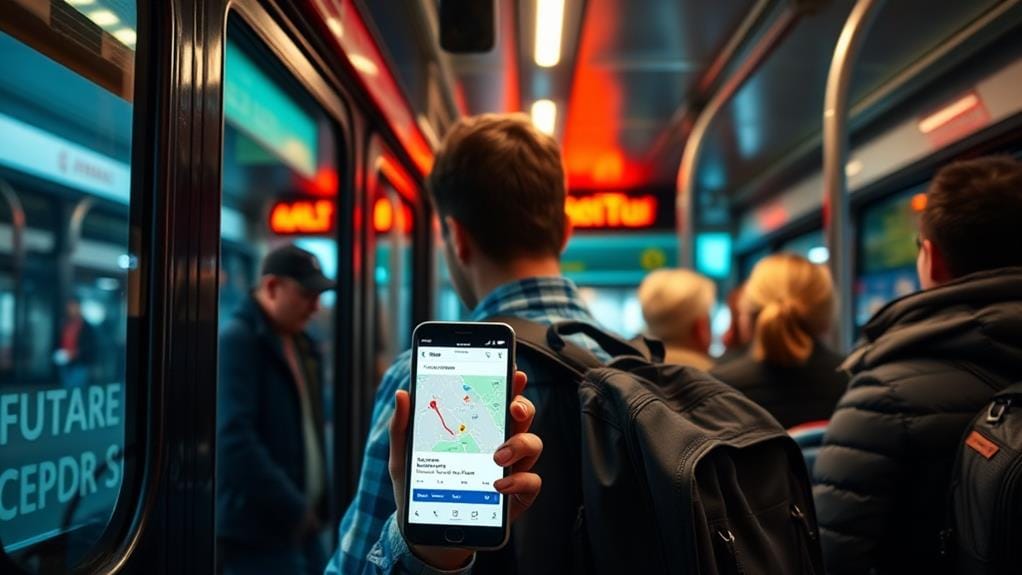
Secure Transport Options
Public transit is often a solid, low-risk option in cities with reliable systems — it’s usually well-used, reasonably predictable, and puts you around plenty of other people. Reputable taxi and rideshare services fill the gap when a more direct route is needed, especially with features like driver ID verification and trip tracking. Keeping your accommodation’s business card handy remains a simple, useful backup if you get turned around.
Avoiding Unsafe Situations
A few habits reduce risk without much effort:
- Trust your instincts if a situation or ride feels off
- Stick to well-lit, busier areas, especially after dark
- Keep valuables out of sight and close to your body
- Share your itinerary with someone you trust before you set out for the day
Being willing to change plans if something feels wrong — canceling a ride, choosing a different route — costs little and reduces risk meaningfully.
Enhancing Travel Confidence
Different transport methods carry different trade-offs in terms of predictability and safety, and it’s worth thinking through which fits a given situation:
| Method | Typical Reliability |
|---|---|
| Reputable taxis | High |
| Rideshare apps | High |
| Public transport | Generally good, varies by city |
| Walking | Depends heavily on area and time of day |
| Rental cars | Good, with normal driving precautions |
Reliable Options for Solo Travelers
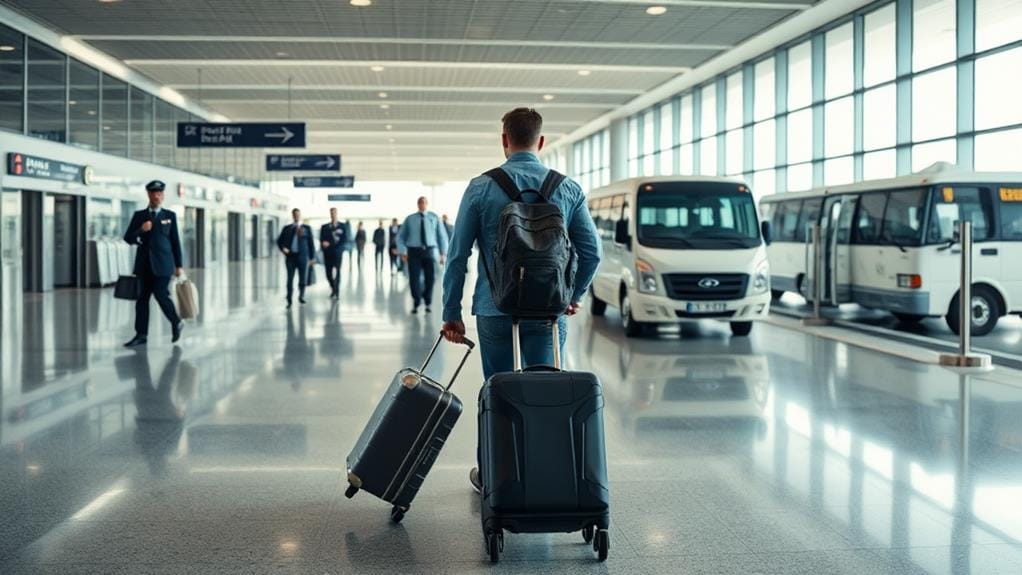
Public transportation is generally the most practical option in a new city — cheaper than taxis and a decent way to see more of daily local life. Rideshare apps are useful for late nights or when you’d rather not navigate transit with luggage.
A few habits that help regardless of which option you pick:
- Consider a multi-day transit pass if you’ll be using public transport often
- Keep your accommodation’s business card on hand for easy reference
- Look into reliable taxi services or apps before you arrive rather than researching on the fly
- Download relevant transportation apps ahead of time for real-time updates
Empowerment Through Safe Transportation Choices

Choosing transportation thoughtfully does more than reduce risk — it also shapes how much of a place you actually experience. Well-reviewed public transit or a reputable rideshare service reduces the odds of getting lost or stranded, which in turn builds confidence for handling other parts of a solo trip.
Using local transit also opens up more genuine contact with a place than a private car ride would — you notice more, and you’re moving through a city the way locals actually do, which tends to make a trip feel more like an experience than a checklist.
Enhancing Peace of Mind
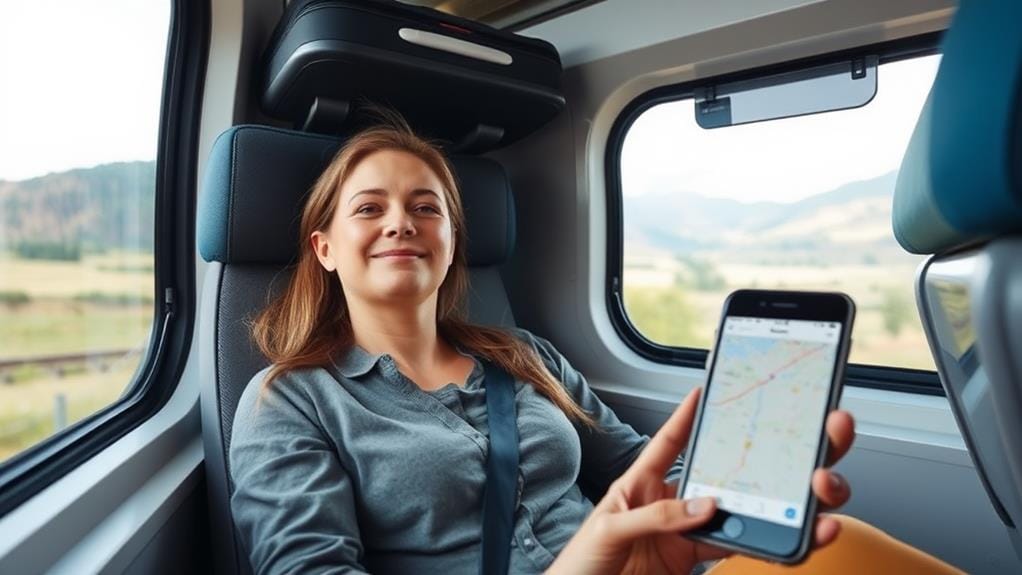
A few habits consistently reduce that low background anxiety that can come with navigating somewhere new alone:
- Reputable taxis and rideshare apps reduce a lot of the uncertainty around getting from place to place
- Well-reviewed public transit tends to be safe and puts you around other people
- Your accommodation’s business card is a small but reliable way to find your way back
- Trusting your gut in the moment is worth more than any single piece of gear or planning
Focus on Enjoyment, Not Worry

Once transportation logistics are handled reasonably well, it’s easier to actually enjoy a trip rather than spend mental energy worrying about how you’re getting around. That means more attention for markets, local food, unexpected conversations, and the small things that make solo travel worthwhile in the first place.
A little upfront planning around transportation pays off here — it frees you up to move through your itinerary without constantly second-guessing logistics.
Making Informed Transportation Decisions
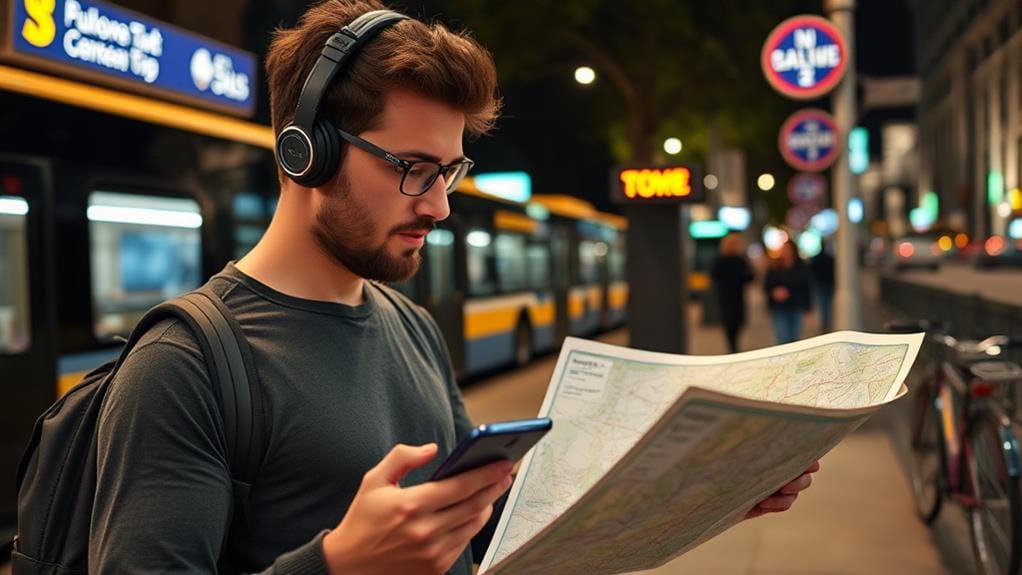
Researching local transportation options before you travel pays off in both safety and convenience. A reasonable approach:
- Check reviews and safety ratings for local transport options where available
- Favor reputable, well-known services over unfamiliar ones
- Get familiar with the public transit map and schedule ahead of time
- Keep your accommodation’s business card handy for easy reference
Asking locals or accommodation staff for their honest recommendations is often more useful than anything you’ll find online, since they know current conditions better than any guide.
Frequently Asked Questions
What Are the Benefits of Solo Traveling?
Personal growth, cultural immersion, and the freedom to set your own pace are the most commonly cited benefits. It also tends to build confidence in handling unfamiliar situations.
Why Do People Prefer Solo Travelling?
Many are drawn to the freedom of making every decision themselves, without needing to compromise with travel companions, along with the personal growth that often comes from navigating a trip independently.
Why Is Travelling Alone a Great Idea?
It offers a level of self-discovery and independence that’s harder to replicate traveling with others. Plenty of people find it builds confidence and comfort with unfamiliar situations more than group travel does.
What Precautions Should Be Taken While Travelling Alone?
Stay alert to your surroundings, trust your instincts, and share your itinerary with someone back home. Research your destination ahead of time and keep emergency contacts easily accessible.

 By
By



 By
By